
Diploma in Permaculture: 15 Powerful Reasons to Advance Your Regenerative Future


A diploma in permaculture is more than just an educational credential. It is a transformative learning journey that combines ecological design, practical action, community resilience, and systems thinking. As environmental challenges continue to grow around the world, more learners are seeking meaningful education that prepares them to create sustainable solutions in real life.
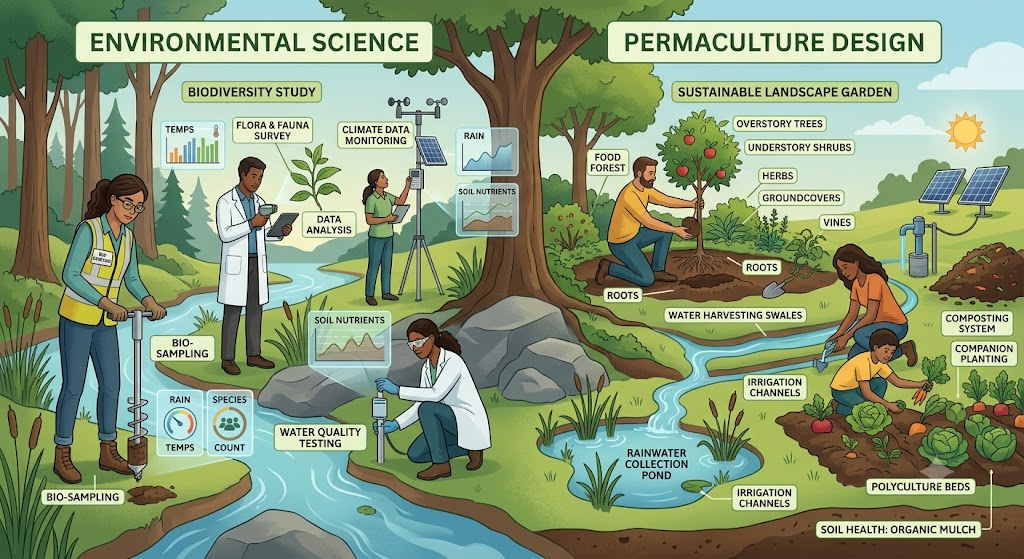
Unlike traditional academic programs that often focus heavily on theory, permaculture education blends practical experience with reflective learning. Students are encouraged to apply concepts directly through projects involving food systems, water conservation, regenerative agriculture, ecological restoration, and resilient communities.
One of the leading institutions offering advanced permaculture education is Gaia University, which provides pathways focused on transformative action learning and project-based education. Their International Diploma of Permaculture Design emphasizes mentorship, self-directed learning, and real-world implementation.
What Is a Diploma in Permaculture?
A diploma in permaculture is an advanced educational program designed for students who want to deepen their understanding of regenerative systems and ecological design. Most learners begin with a Permaculture Design Certificate (PDC) before progressing into diploma-level studies.
The diploma level goes beyond introductory concepts. Students develop advanced skills in:
- Sustainable land management
- Water harvesting systems
- Agroforestry
- Soil regeneration
- Community resilience
- Ecological economics
- Regenerative entrepreneurship
Programs usually combine online learning, mentoring, independent research, and practical projects. Many diplomas are flexible and allow learners to study while continuing work or community projects.
According to the International Diploma of Permaculture Design offered through Gaia University, the educational model emphasizes “Transformative Action Learning,” where practical implementation becomes the core of the learning experience.
Why More People Are Choosing a Diploma in Permaculture
Interest in permaculture education has grown rapidly over the last decade. Climate concerns, food insecurity, and the desire for meaningful work have encouraged many people to seek regenerative learning pathways.
Growing Interest in Regenerative Living
Modern lifestyles often disconnect people from ecosystems and natural cycles. Permaculture reconnects learners with ecological principles that support long-term sustainability.
Students pursue permaculture diplomas for many reasons:
- Building sustainable farms
- Creating regenerative businesses
- Designing resilient communities
- Improving food security
- Supporting environmental restoration
- Teaching ecological literacy
Many graduates also report that permaculture changes how they think about economics, relationships, leadership, and social systems.
The Shift Toward Practical Education
Traditional education systems can sometimes feel disconnected from real-world application. A diploma in permaculture focuses heavily on doing rather than memorizing.
Programs often include:
- Hands-on projects
- Community engagement
- Portfolio creation
- Reflective journaling
- Mentor evaluations
- Peer collaboration
This practical approach helps students build genuine confidence and competence.
Core Principles of Permaculture Education
Permaculture is rooted in ethics and design principles that guide all learning activities.
Earth Care
Earth Care focuses on protecting natural ecosystems and restoring environmental health.
Students learn techniques such as:
- Soil building
- Water conservation
- Biodiversity enhancement
- Regenerative agriculture
- Ecosystem restoration
People Care
People Care emphasizes healthy communities, cooperation, and human well-being.
Learners often explore:
- Community development
- Collaborative leadership
- Conflict resolution
- Social resilience
- Cooperative economics
Fair Share
Fair Share encourages responsible consumption and equitable distribution of resources.
This principle promotes balance between personal needs and ecological responsibility.
Structure of a Diploma in Permaculture
Every program is slightly different, but many diploma pathways share common structures.
Online Learning Components
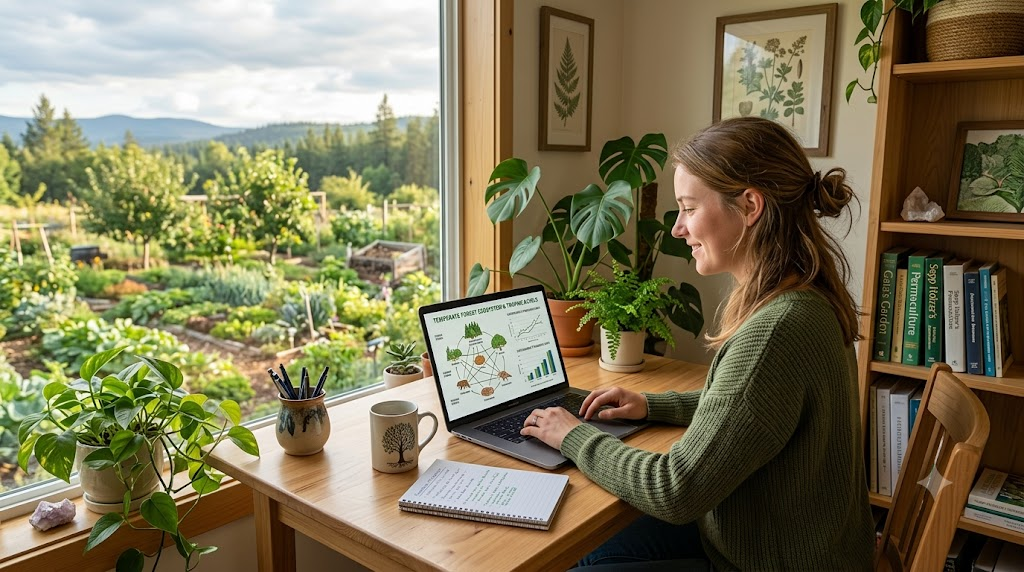
Modern permaculture programs often include online learning modules, webinars, discussions, and collaborative activities.
The International Diploma of Permaculture Design includes structured online coursework followed by project-based implementation phases.
Students typically study:
- Systems thinking
- Design methodologies
- Ecological literacy
- Project planning
- Learning design
- Regenerative livelihoods
Hands-On Project Development
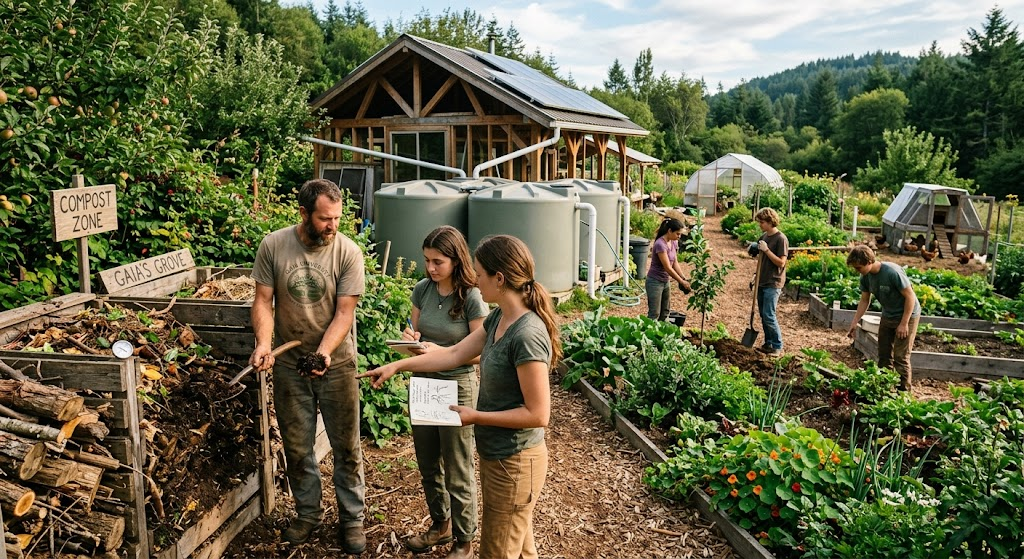
Practical implementation is central to permaculture education.
Projects may include:
- Food forests
- Community gardens
- Water systems
- Ecovillage initiatives
- Educational programs
- Sustainable business models
Students document their progress and reflect on successes and challenges.
Mentorship and Feedback
Mentorship is one of the strongest elements of advanced permaculture education.
Experienced mentors provide:
- Technical guidance
- Design feedback
- Accountability
- Encouragement
- Professional development support
This mentorship helps learners avoid common mistakes and deepen their practical understanding.
International Diploma of Permaculture Design Explained
The International Diploma of Permaculture Design is designed for students seeking advanced ecological and regenerative education.
Program Goals
The program aims to:
- Expand permaculture design skills
- Encourage practical implementation
- Build professional competency
- Support regenerative leadership
- Create documented project portfolios
According to Gaia University, the diploma supports learners through mentoring, peer review, and public ePortfolio systems.
Learning Pathways
The diploma begins with foundational certificate programs before students move into advanced project phases.
Early learning stages often include:
- Regenerative livelihood design
- Learning methodologies
- Community resilience
- Personal reflection
- Project planning
Action Learning Cycles
Action Learning Cycles are iterative learning processes involving:
- Planning
- Implementation
- Reflection
- Feedback
- Revision
This structure mirrors real-world regenerative work, where adaptation and continuous improvement are essential.
Skills You Gain During the Program
A diploma in permaculture develops a wide range of practical and professional skills.
Ecological Design Skills
Students learn to design systems that work with nature rather than against it.
Skills may include:
- Site analysis
- Water management
- Soil regeneration
- Agroecology
- Renewable systems planning
Systems Thinking
Permaculture teaches students to understand relationships between elements within complex systems.
This mindset improves:
- Problem-solving
- Strategic planning
- Long-term thinking
- Resource efficiency
Leadership and Community Development
Many graduates become educators, organizers, or project leaders.
Programs frequently strengthen:
- Communication
- Facilitation
- Teamwork
- Ethical leadership
- Community engagement
Career Opportunities After Completing a Diploma
A diploma in permaculture can open many professional pathways.
Sustainable Agriculture
Graduates often work in:
- Organic farming
- Agroforestry
- Market gardening
- Ecological landscaping
Ecovillage and Community Projects
Some learners contribute to:
- Community resilience initiatives
- Ecovillage development
- Urban sustainability projects
- Educational nonprofits
Education and Consulting
Experienced graduates may become:
- Permaculture educators
- Sustainability consultants
- Regenerative design advisors
- Workshop facilitators
Benefits of Self-Directed Learning
One major advantage of permaculture education is flexibility.
Students can often:
- Learn remotely
- Study at their own pace
- Integrate projects into daily life
- Focus on personal interests
- Build location-specific solutions
This freedom encourages creativity and practical experimentation.
The Importance of Mentorship in Permaculture
Mentorship bridges the gap between theory and real-world application.
Good mentors help students:
- Refine design ideas
- Navigate challenges
- Stay motivated
- Build professional networks
- Improve documentation quality
Many learners say mentorship becomes one of the most valuable parts of the diploma experience.
Online vs In-Person Diploma Programs
Both formats offer unique advantages.
| Feature | Online Programs | In-Person Programs |
| Flexibility | High | Moderate |
| Accessibility | Global | Location-dependent |
| Networking | Virtual communities | Face-to-face interaction |
| Hands-On Learning | Self-organized | Structured practicals |
| Cost | Often lower | Often higher |
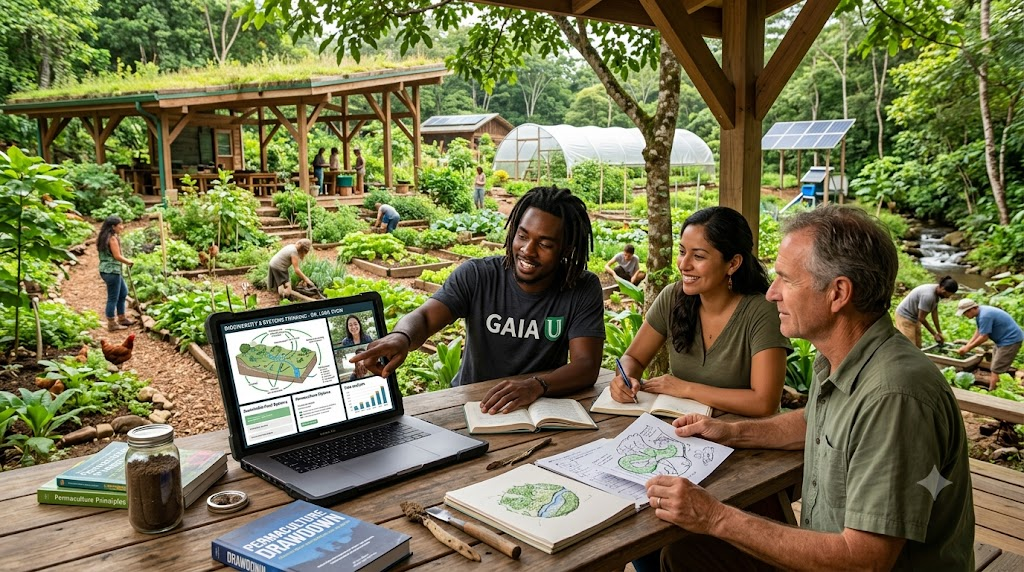
Online programs like those at Gaia University provide flexible pathways while still emphasizing practical implementation and mentoring.
Real-World Project Documentation and ePortfolios
One unique feature of advanced permaculture education is project documentation.
Students often create public or semi-public ePortfolios showcasing:
- Designs
- Reflections
- Photographs
- Reports
- Research findings
- Community impact
These portfolios become powerful professional tools for future opportunities.
Challenges Students May Face
Although rewarding, permaculture diplomas can also be demanding.
Common challenges include:
- Time management
- Balancing projects with work
- Financial limitations
- Maintaining motivation
- Documenting progress consistently
However, strong support systems and mentoring can help students overcome these difficulties.
How to Choose the Right Diploma in Permaculture
Choosing the right program requires careful thought.
Consider factors such as:
- Educational philosophy
- Mentorship quality
- Flexibility
- Cost
- Project requirements
- Community support
- Accreditation style
- Learning format
A strong diploma program should align with your goals, lifestyle, and values.
Researching the curriculum carefully is essential before enrolling.
Frequently Asked Questions
1. What is the difference between a PDC and a diploma in permaculture?
A PDC provides foundational permaculture knowledge, while a diploma involves advanced study, mentorship, and real-world project implementation.
2. How long does a diploma in permaculture take?
Many diploma programs take between one and three years, depending on learning pace and project complexity.
3. Can I study permaculture online?
Yes. Many modern programs offer online learning combined with local practical projects and mentoring.
4. Is permaculture a good career path?
Permaculture can support careers in sustainability, farming, education, consulting, community development, and regenerative entrepreneurship.
5. Do I need farming experience before enrolling?
No. Many students begin with little practical experience and develop skills throughout the program.
6. What skills are most important for success?
Curiosity, adaptability, observation, communication, and commitment to practical action are highly valuable.
Conclusion
A diploma in permaculture offers far more than academic knowledge. It provides a pathway toward ecological literacy, regenerative leadership, practical design skills, and meaningful action in the world.
As environmental and social challenges continue to evolve, regenerative education becomes increasingly valuable. Programs focused on practical implementation, mentorship, and systems thinking prepare students to create resilient solutions for real communities and ecosystems.
Institutions such as Gaia University demonstrate how transformative education can combine flexibility, ecological ethics, and real-world learning into one integrated experience.
For learners seeking purpose-driven education rooted in sustainability and regeneration, pursuing a diploma in permaculture may become one of the most impactful decisions of their lives.

Responses