
Reasons to Choose a diploma of community development online for Your Permaculture Journey

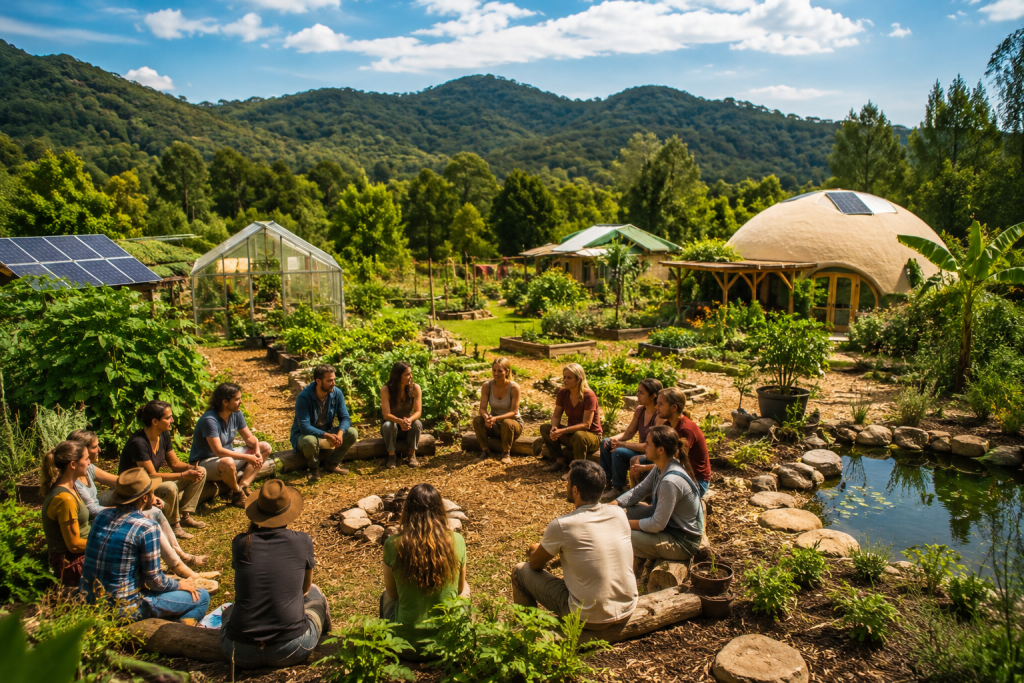
Permaculture is about much more than gardening or sustainable agriculture. It is a complete design system for creating healthy ecosystems, resilient economies, and thriving communities. Because of this, many regenerative learners are now exploring a diploma of community development online as a way to deepen their ability to create lasting social change.
For permaculture diploma seekers, community development education provides valuable tools for leadership, facilitation, ecological design, and collaborative problem-solving. It helps learners move beyond land management and into the broader world of regenerative culture-building.
Online learning has made this educational path more accessible than ever. Students can now study while actively participating in local projects, eco-villages, farms, nonprofits, and social enterprises. Programs such as those offered through Gaia University focus on action learning, real-world application, and regenerative systems thinking.
In this guide, you will discover how a diploma of community development online can support your permaculture goals, strengthen your leadership capacity, and help you contribute meaningfully to resilient communities around the world.
Understanding the Value of Community Development Education
What Is Community Development?
Community development is the process of strengthening social connections, improving local resilience, and creating systems that support collective wellbeing. It combines leadership, collaboration, education, ecological awareness, and participatory decision-making.
Unlike traditional academic programs that focus mainly on theory, regenerative community development often emphasizes practical engagement. Students learn through projects, mentorship, and direct participation in community initiatives.
This educational field includes subjects such as:
- Social ecology
- Cooperative governance
- Sustainable economics
- Participatory leadership
- Conflict transformation
- Systems thinking
- Regenerative design
For permaculture students, these topics are essential because ecological sustainability depends heavily on healthy human systems.
Why Permaculture Learners Need Community Skills
Permaculture ethics include:
- Earth Care
- People Care
- Fair Share
Many learners focus strongly on Earth Care through food forests, soil regeneration, and water management. However, People Care requires equally important skills in communication, collaboration, and social organization.
A diploma of community development online can help permaculture practitioners:
- Facilitate group projects
- Organize educational initiatives
- Build cooperative enterprises
- Resolve conflicts constructively
- Support local resilience efforts
- Develop regenerative leadership abilities
Without strong community structures, even excellent ecological projects may struggle to survive long term.
Why Online Learning Appeals to Permaculture Students
Flexible Learning for Land-Based Lifestyles
Many permaculture learners already live active lifestyles. They may be working on farms, participating in eco-community projects, homeschooling children, or volunteering in regenerative initiatives.
Online education allows these learners to study without relocating or pausing their practical work. This flexibility creates a strong bridge between theory and implementation.
Students can often:
- Study at their own pace
- Integrate coursework into existing projects
- Apply concepts immediately
- Continue earning income while learning
- Access global mentors and peers remotely
This model aligns especially well with regenerative education philosophies that value experiential learning.
Self-Directed Education and Real-World Practice
One major advantage of a diploma of community development online is the opportunity for self-designed learning pathways.
Rather than following rigid academic structures, many regenerative programs encourage learners to shape projects around their passions and local needs.
For example, a student might focus on:
- Community-supported agriculture
- Regenerative entrepreneurship
- Eco-village development
- Indigenous knowledge systems
- Youth education initiatives
- Urban permaculture projects
At Gaia University’s learning approach, learners are encouraged to integrate their studies directly into real-world action and community engagement.
Core Subjects Covered in a diploma of community development online
Regenerative Leadership
Leadership in regenerative systems is very different from traditional hierarchical leadership. Instead of controlling people, regenerative leaders focus on empowerment, listening, facilitation, and collaboration.
Students may explore:
- Adaptive leadership
- Group facilitation
- Holistic decision-making
- Emotional intelligence
- Ethical leadership practices
These abilities are essential for anyone coordinating community-based environmental projects.
Ecological Economics
Traditional economic systems often prioritize extraction and endless growth. Community development programs usually introduce alternative economic models that support long-term resilience.
Topics may include:
- Circular economies
- Local currencies
- Cooperative ownership
- Gift economies
- Social enterprises
- Regenerative finance
For permaculture practitioners, understanding economics is critical because sustainable land projects must also remain socially and financially viable.
Participatory Governance
Healthy communities require fair and inclusive decision-making systems.
Students often learn about:
- Sociocracy
- Consensus processes
- Cooperative governance
- Community facilitation
- Collaborative leadership structures
These systems can strengthen eco-villages, nonprofits, educational projects, and regenerative businesses.
Social Entrepreneurship
Many regenerative learners dream of launching projects that combine positive impact with sustainable income.
Community development education can support ventures such as:
- Ecological education centers
- Regenerative farms
- Community food programs
- Ethical businesses
- Sustainability consulting
A strong understanding of social entrepreneurship helps learners transform ideas into functioning projects.
How Community Development Connects with Permaculture
Designing Human Systems
Permaculture is often described as “whole-systems design.” While many people first associate it with landscapes, permaculture principles also apply to human relationships and organizations.
Community development education helps students design:
- Cooperative systems
- Educational programs
- Community networks
- Shared resource structures
- Local resilience initiatives
These human systems are just as important as gardens or water systems.
Building Resilient Communities
Resilience means the ability to adapt, recover, and thrive during challenges.
Communities with strong local food systems, supportive social networks, and collaborative leadership structures tend to handle crises more effectively.
A diploma of community development online can help learners contribute to:
- Food sovereignty initiatives
- Local education systems
- Mutual aid networks
- Ecological restoration projects
- Community wellbeing programs
These efforts support both environmental and social resilience.
Ethics and Regenerative Living
Permaculture is deeply rooted in ethics. Community development education often expands this ethical awareness into broader social dimensions.
Students may explore:
- Cultural regeneration
- Indigenous wisdom
- Social justice
- Ecological stewardship
- Intergenerational learning
This holistic perspective supports a more balanced and compassionate approach to sustainability.
Benefits of Choosing an Online Diploma Path
Global Networking Opportunities
Online learning environments connect students from many countries and backgrounds.
This diversity creates opportunities to:
- Share project ideas
- Learn from different cultures
- Collaborate internationally
- Exchange regenerative practices
- Build lifelong professional relationships
These global networks can become powerful support systems for future projects.
Learning While Working on Projects
One of the strongest advantages of online regenerative education is immediate application.
Instead of waiting years before using new knowledge, students can apply lessons directly to ongoing initiatives.
For example, learners may:
- Improve local garden systems
- Facilitate workshops
- Develop nonprofit programs
- Create educational resources
- Organize community events
This integration often leads to deeper understanding and more meaningful outcomes.
Personalized Study Pathways
Every permaculture learner has unique goals. Some focus on farming, while others prioritize education, activism, healing work, or ecological restoration.
Flexible diploma programs allow students to tailor their studies around these passions.
This personalization creates:
- Greater motivation
- More practical relevance
- Stronger project outcomes
- Improved long-term engagement
Skills You Can Gain from Community Development Training
Facilitation and Communication
Strong communication is essential for successful community projects.
Students often improve skills in:
- Public speaking
- Workshop facilitation
- Active listening
- Group coordination
- Collaborative planning
These skills help regenerative leaders inspire participation and trust.
Conflict Resolution
Communities naturally experience disagreements. Learning how to navigate conflict respectfully is critical.
Training may include:
- Mediation techniques
- Restorative dialogue
- Emotional awareness
- Nonviolent communication
- Consensus-building
Healthy conflict transformation can strengthen communities instead of dividing them.
Project Planning and Systems Thinking
Permaculture and community development both rely heavily on systems thinking.
Students learn how to:
- Analyze interconnected systems
- Identify root causes
- Develop strategic plans
- Monitor project outcomes
- Adapt to changing conditions
These abilities are valuable across many professional and community settings.
Career and Lifestyle Opportunities
Community Leadership Roles
Graduates may contribute to:
- Eco-villages
- Nonprofit organizations
- Educational centers
- Regenerative farms
- Community networks
Leadership opportunities often emerge naturally through project involvement and community engagement.
Regenerative Enterprise Development
A diploma of community development online can also support entrepreneurial pathways.
Possible ventures include:
- Sustainability consulting
- Ecological design services
- Educational businesses
- Community wellness programs
- Regenerative tourism initiatives
These enterprises can combine meaningful work with financial sustainability.
Educational and Advocacy Work
Many graduates become educators, facilitators, or advocates for regenerative living.
They may organize:
- Workshops
- Online courses
- Community events
- Youth programs
- Environmental campaigns
Education plays a vital role in spreading regenerative practices.
How Gaia University Supports Regenerative Learners
Action Learning and Mentorship
Many learners are drawn to Gaia University’s regenerative programs because they emphasize action learning instead of purely classroom-based study.
This approach encourages students to:
- Learn through real projects
- Build practical experience
- Develop mentorship relationships
- Focus on measurable community impact
For permaculture students, this model often feels more aligned with hands-on regenerative values.
Real-World Impact Through Self-Designed Learning
Self-designed learning pathways allow students to integrate personal passions into their educational journey.
Rather than separating education from life, learners can weave together:
- Ecological restoration
- Community engagement
- Economic resilience
- Cultural regeneration
- Leadership development
This holistic structure supports meaningful long-term growth.
Choosing the Right diploma of community development online
Accreditation and Recognition
Before enrolling, students should carefully research educational credibility and learning outcomes.
Important considerations include:
- Educational philosophy
- Recognition pathways
- Mentorship quality
- Community engagement opportunities
- Flexibility of study
The right program should align with your values and long-term goals.
Learning Philosophy
Not all educational systems approach sustainability the same way.
Permaculture learners often benefit most from programs that emphasize:
- Experiential learning
- Regenerative thinking
- Systems design
- Ecological ethics
- Community collaboration
Programs rooted in practical engagement tend to create stronger real-world impact.
Community Support and Mentoring
Supportive mentors and peers can dramatically improve the educational experience.
Look for programs that encourage:
- Collaborative learning
- Peer feedback
- Mentorship networks
- Practical project guidance
- Personal development support
Strong learning communities often become lifelong professional and personal networks.
Frequently Asked Questions
What is a diploma of community development online?
It is an educational program that teaches leadership, collaboration, sustainability, and community-building skills through flexible online learning formats.
Is community development useful for permaculture learners?
Yes. Permaculture relies heavily on healthy social systems, leadership, communication, and collaborative problem-solving.
Can I study while working on my permaculture project?
Most online programs are designed for flexible study, allowing learners to integrate education directly into ongoing projects.
What careers can this diploma support?
Graduates may work in education, nonprofit leadership, regenerative entrepreneurship, sustainability consulting, eco-community development, and facilitation.
Why do regenerative learners choose online education?
Online learning offers flexibility, global networking opportunities, and the ability to apply concepts immediately in real-world settings.
How does Gaia University approach learning differently?
Gaia University emphasizes action learning, mentorship, self-designed education, and regenerative community engagement.
Conclusion
A diploma of community development online can provide permaculture learners with the tools needed to strengthen not only ecosystems, but also the communities that support them. By combining regenerative thinking with leadership, facilitation, and systems design, this educational path helps learners create deeper and more sustainable forms of impact.
For many students, online learning offers the ideal balance between flexibility and meaningful engagement. It allows them to continue working on real-world projects while developing valuable skills in communication, governance, entrepreneurship, and collaborative leadership.
As regenerative movements continue to grow around the world, the need for skilled community builders becomes increasingly important. A strong foundation in community development can help permaculture practitioners become more effective leaders, educators, and catalysts for positive change.


Responses