
Ways of Incorporating Indigenous Knowledge in Education for Permaculture Diploma Seekers

Introduction to Indigenous Knowledge in Learning
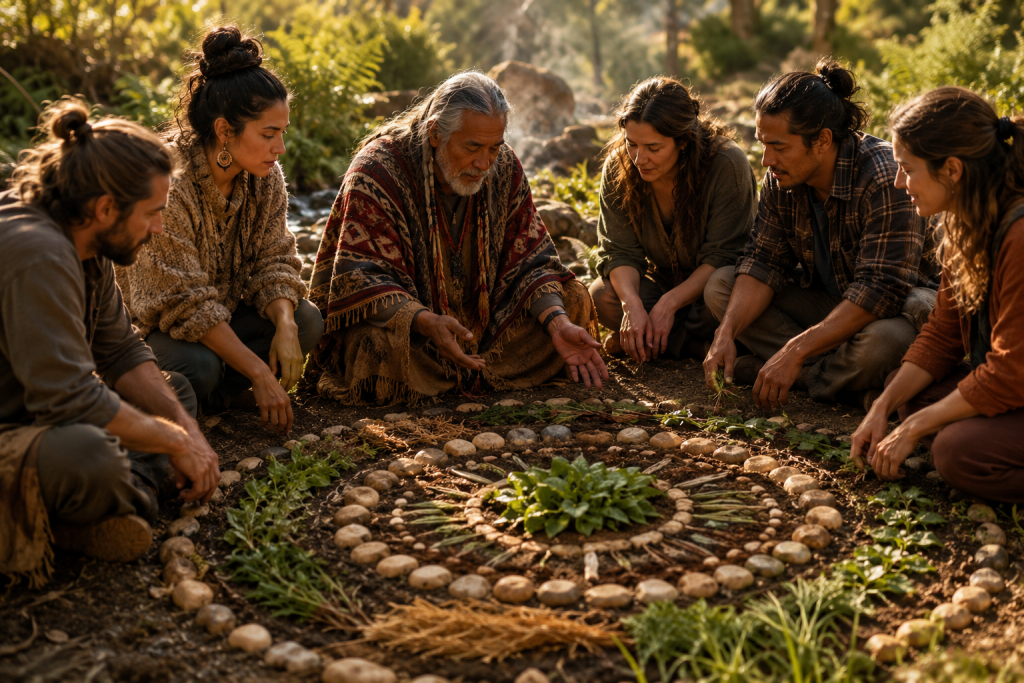
For learners pursuing advanced permaculture studies, incorporating indigenous knowledge in education offers a powerful pathway toward deeper ecological understanding and more effective regenerative practice. Indigenous communities around the world have developed sophisticated systems of environmental stewardship over thousands of years through direct relationships with landscapes, ecosystems, and local communities.
As modern education increasingly recognizes the value of diverse ways of knowing, permaculture practitioners have an opportunity to learn from these long-standing traditions while maintaining respect, reciprocity, and cultural integrity. Indigenous knowledge contributes practical ecological insights, ethical frameworks, and community-centered approaches that complement permaculture design principles remarkably well. Research and educational programs focused on Indigenous Knowledge Systems emphasize values such as respect, reciprocity, responsibility, humility, and service when engaging with traditional knowledge.
For students enrolled in programs such as the International Diploma of Permaculture Design at Gaia University, understanding these perspectives can strengthen both project work and long-term professional development.
Understanding Indigenous Knowledge Systems
What Makes Indigenous Knowledge Unique
Indigenous knowledge systems are holistic frameworks developed through generations of observation, experimentation, adaptation, and cultural practice. Rather than separating science, spirituality, economics, and social organization, these systems often view them as interconnected parts of a living whole.
Knowledge is commonly embedded within:
- Relationships with land
- Seasonal cycles
- Community responsibilities
- Cultural practices
- Oral histories
- Ceremonies and traditions
This integrated perspective aligns closely with the systems-thinking approach found within permaculture design.
Oral Traditions and Living Wisdom
Unlike many conventional educational models that rely heavily on written materials, Indigenous learning frequently occurs through:
- Storytelling
- Observation
- Apprenticeship
- Participation
- Community engagement
Knowledge remains dynamic and responsive rather than fixed, allowing communities to adapt while preserving essential values.
Why Permaculture and Indigenous Knowledge Naturally Align
Shared Values of Regeneration
Both permaculture and Indigenous traditions emphasize:
| Permaculture Principle | Indigenous Perspective |
| Care for Earth | Stewardship of living landscapes |
| Care for People | Community responsibility |
| Fair Share | Reciprocity and balance |
| Observation | Deep ecological awareness |
| Diversity | Respect for biodiversity |
These parallels create natural opportunities for meaningful integration.
Long-Term Ecological Stewardship
Many Indigenous cultures make decisions with future generations in mind. This long-term thinking encourages sustainable resource management and resilience—qualities that every permaculture practitioner seeks to cultivate.
Educational programs focused on Indigenous sciences and traditional ecological knowledge frequently highlight regenerative food systems, land stewardship, and sustainable worldviews as essential components of ecological learning.
Historical Context of Indigenous Education
Traditional Learning Models
Historically, Indigenous education was deeply embedded within everyday life. Children learned through active participation in:
- Food gathering
- Agriculture
- Hunting and fishing
- Construction
- Conflict resolution
- Community governance
Learning was practical, contextual, and immediately relevant.
Community-Based Knowledge Transfer
Knowledge transfer often occurred across generations. Elders played vital roles as teachers, mentors, and guardians of collective memory.
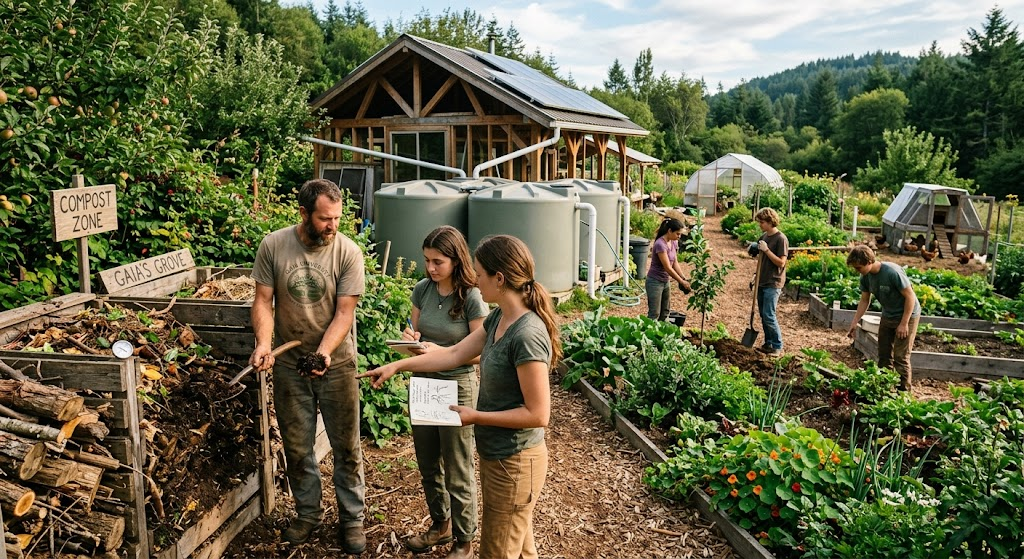
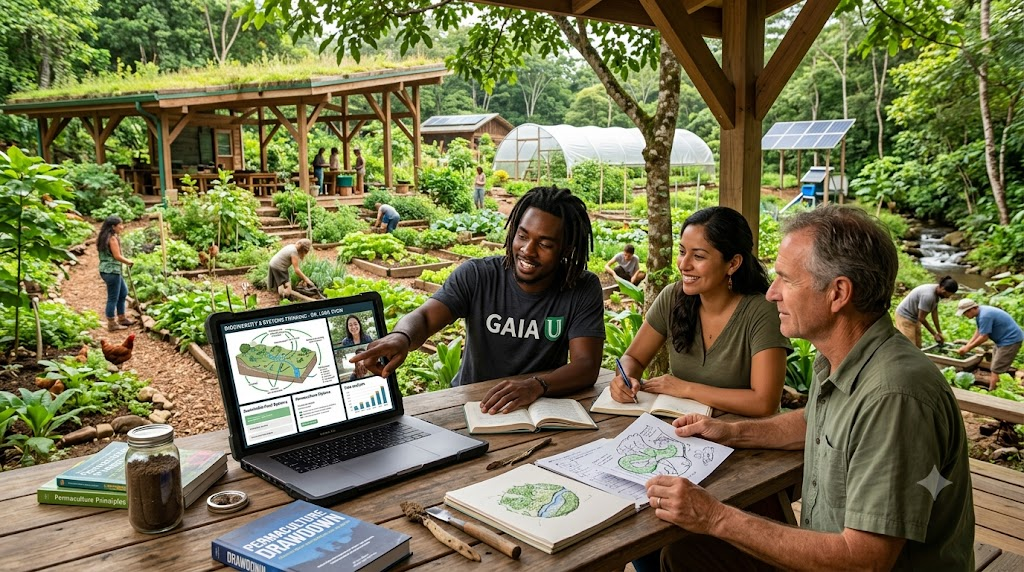
For permaculture diploma seekers, this highlights the importance of mentorship and experiential learning—both central features of action-learning educational models. Gaia University’s diploma pathways similarly emphasize mentoring, project-based learning, and reflective practice as core educational components.
Benefits of Incorporating Indigenous Knowledge in Education
Ecological Literacy
Students gain a richer understanding of:
- Local ecosystems
- Seasonal patterns
- Biodiversity
- Water systems
- Soil health
Cultural Awareness
Exposure to Indigenous perspectives helps learners:
- Understand multiple worldviews
- Develop intercultural competence
- Build respectful relationships
- Recognize historical contexts
Systems Thinking
Indigenous knowledge encourages learners to view social, ecological, and economic systems as interconnected networks rather than isolated components.
Indigenous Perspectives on Land Stewardship
Relationship With Place
Many Indigenous traditions emphasize belonging to the land rather than owning it. This shift in perspective transforms how land management decisions are made.
Instead of maximizing short-term productivity, stewardship focuses on maintaining ecological integrity and community wellbeing.
Caring for Future Generations
A recurring theme across Indigenous cultures is responsibility toward descendants.
For permaculture designers, this principle encourages:
- Long-term planning
- Regenerative practices
- Resource conservation
- Ecological restoration
Indigenous Approaches to Food Systems
Biodiversity Conservation
Traditional food systems often support remarkable biodiversity through:
- Polycultures
- Seed saving
- Wild food management
- Habitat protection
These approaches mirror many contemporary permaculture strategies.
Traditional Agroecology
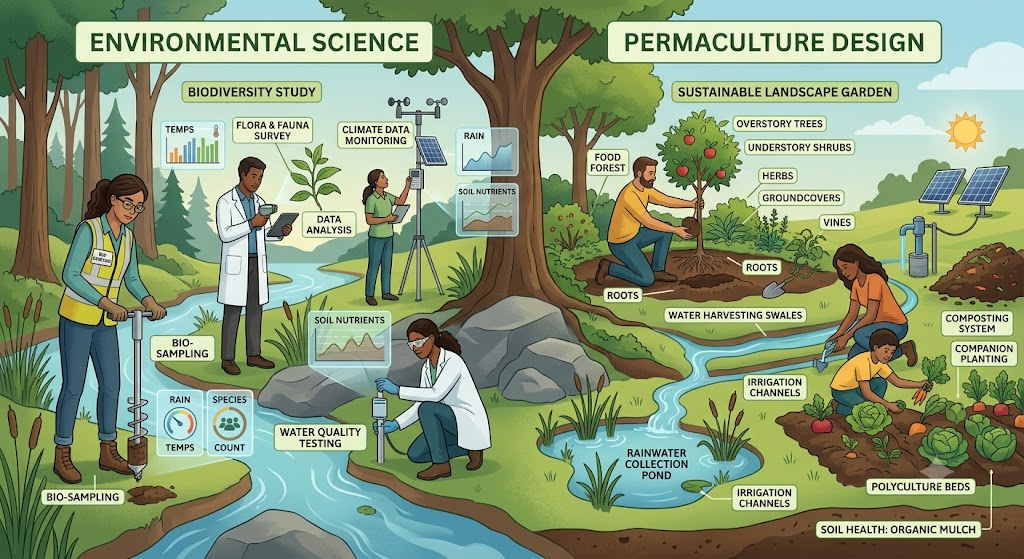
Indigenous agricultural systems have demonstrated the ability to maintain productivity while preserving ecological health over extended periods. Researchers continue to recognize Indigenous knowledge as an important contributor to environmental science and sustainability.
Learning Through Observation and Practice
Experiential Learning Methods
Observation remains one of the most powerful educational tools.
Students can develop valuable skills by:
- Monitoring ecological changes
- Tracking seasonal indicators
- Documenting species interactions
- Recording project outcomes
Storytelling as Education
Stories often communicate complex ecological relationships more effectively than abstract theories.
They help learners remember:
- Ecological patterns
- Cultural values
- Historical lessons
- Ethical responsibilities
Decolonizing Permaculture Education
Moving Beyond Extraction
One of the most important lessons for modern learners is recognizing that Indigenous knowledge should not be treated as a resource to extract.
Responsible engagement requires:
- Respect
- Accountability
- Attribution
- Long-term relationship building
Practicing Reciprocity
Reciprocity involves giving back rather than simply taking knowledge.
Examples include:
- Supporting Indigenous-led initiatives
- Amplifying Indigenous voices
- Sharing resources appropriately
- Building collaborative partnerships
Community-Centered Learning Models
Collective Knowledge Creation
Many Indigenous educational systems emphasize collective wisdom rather than individual achievement alone.
Benefits include:
- Stronger collaboration
- Shared responsibility
- Community resilience
- Diverse perspectives
Intergenerational Learning
Knowledge flows across generations, strengthening continuity and adaptation simultaneously.
Permaculture learners can incorporate this approach through mentorship, community engagement, and collaborative projects.
Ethical Considerations When Learning Indigenous Knowledge
Respect and Consent
Not all knowledge is intended for public dissemination.
Students should always consider:
- Permissions
- Cultural protocols
- Community preferences
- Contextual understanding
Cultural Integrity
Authentic engagement requires honoring the cultural context in which knowledge exists rather than isolating techniques from their underlying values.
Programs centered on Indigenous Knowledge Systems consistently stress respectful engagement and avoiding colonial or extractive approaches to learning.
Incorporating Indigenous Knowledge in Education for Diploma Projects
Research Applications
Permaculture diploma projects may explore:
- Traditional ecological indicators
- Community resilience models
- Indigenous food systems
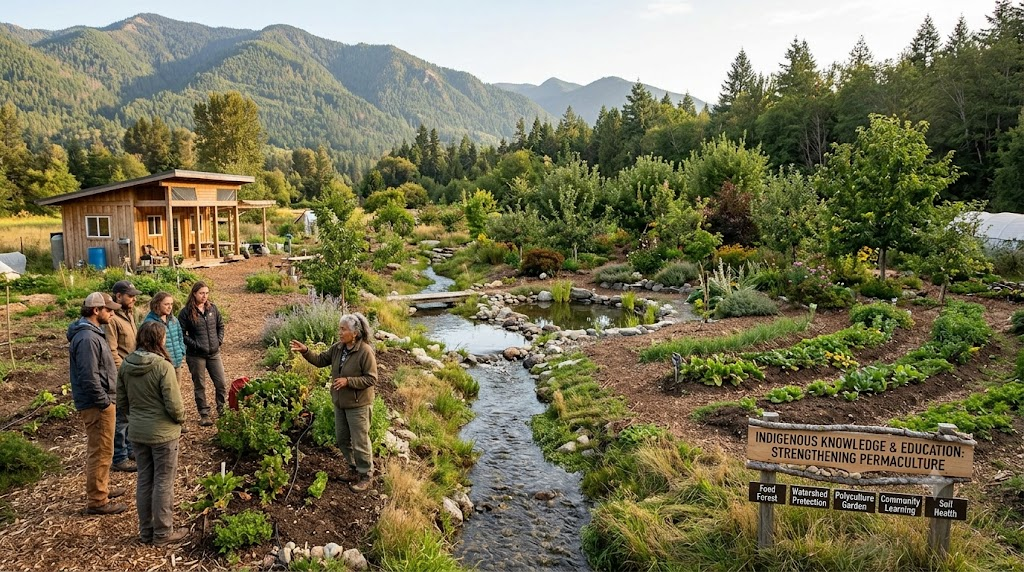
- Watershed stewardship practices
- Cultural landscape restoration
Design Applications
Students can apply Indigenous-inspired principles through:
- Whole-systems thinking
- Regenerative planning
- Long-term monitoring
- Community participation
- Place-based design
The project-centered learning structure used in Gaia University’s diploma programs provides flexibility for learners to integrate such themes into self-directed project work and reflective documentation.
Challenges and Opportunities
Avoiding Tokenism
Meaningful inclusion goes beyond adding isolated Indigenous examples to existing curricula.
True integration requires:
- Structural change
- Ongoing dialogue
- Collaborative learning
- Respectful representation
Building Genuine Partnerships
Strong educational outcomes emerge when institutions, educators, learners, and Indigenous communities engage as partners rather than subjects and observers.
Future Directions for Regenerative Education
The future of regenerative education will likely involve greater collaboration between scientific, ecological, and Indigenous knowledge systems.
Emerging educational models increasingly recognize that complex global challenges require diverse perspectives and multiple ways of knowing. Educational research on Indigenous knowledge preservation and decolonial learning frameworks highlights the growing importance of relational accountability, reciprocity, and community-centered approaches.
For permaculture diploma seekers, this presents an opportunity to become practitioners who are not only technically skilled but also culturally aware, ethically grounded, and capable of fostering genuine regeneration.
For additional information on diploma pathways and action-learning approaches, learners may explore the Gaia University Diploma Programs.
Frequently Asked Questions
1. What is Indigenous knowledge in education?
Indigenous knowledge in education refers to traditional ways of knowing, learning, and understanding developed by Indigenous communities through generations of lived experience and relationship with place.
2. Why is incorporating indigenous knowledge in education important for permaculture?
It strengthens ecological literacy, systems thinking, ethical stewardship, and community-centered design practices.
3. Is Indigenous knowledge the same as permaculture?
No. They are distinct traditions, though they often share values related to ecological care, observation, and regeneration.
4. How can students respectfully learn Indigenous knowledge?
By engaging with humility, seeking consent where appropriate, honoring cultural protocols, and practicing reciprocity.
5. Can Indigenous perspectives improve project design?
Yes. They can provide insights into ecosystem management, resilience, biodiversity, and long-term stewardship.
6. What role does storytelling play in Indigenous education?
Storytelling serves as a powerful educational method for transmitting ecological knowledge, cultural values, and historical understanding.
7. How does Indigenous knowledge support sustainability?
It promotes regenerative relationships with ecosystems, responsible resource management, and long-term community wellbeing.
Conclusion
Incorporating indigenous knowledge in education offers permaculture diploma seekers an opportunity to deepen their understanding of ecology, stewardship, community, and regeneration. Indigenous knowledge systems provide valuable lessons in observation, reciprocity, resilience, and respect for living systems—qualities that sit at the heart of effective permaculture design.
When approached ethically and respectfully, Indigenous perspectives can enrich educational experiences, strengthen project outcomes, and help cultivate practitioners capable of contributing to a more regenerative future. As educational models continue evolving, the integration of Indigenous wisdom and permaculture principles may become one of the most promising pathways toward sustainable and resilient communities worldwide.
For learners pursuing advanced regenerative education, the International Diploma of Permaculture Design at Gaia University provides a project-based framework that can support the exploration of these themes through real-world action learning.
Responses