
10 Reasons to Pursue a Diploma in Applied Permaculture Design for a Sustainable Future

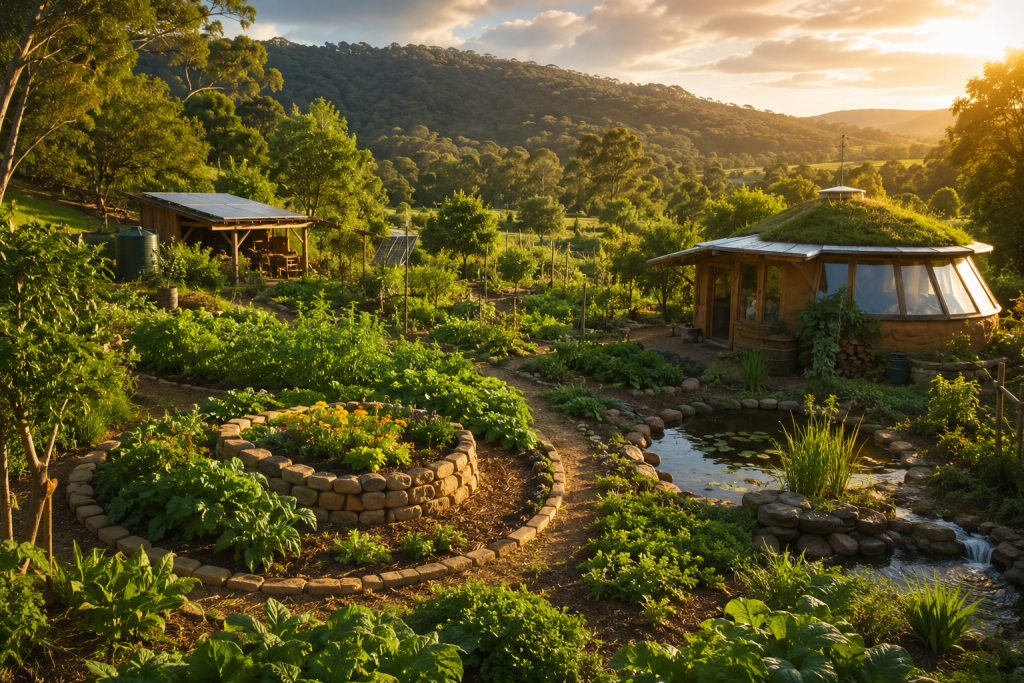
The growing environmental crisis has pushed people around the world to search for smarter and more sustainable ways of living. One educational pathway gaining strong attention is the diploma in applied permaculture design. This program combines ecological science, sustainable agriculture, and practical land management into one powerful learning experience.
Whether you dream of managing regenerative farms, designing eco-villages, or helping communities become more resilient, this diploma can provide the skills and confidence needed to succeed. More importantly, it teaches students how to work with nature instead of against it.
In this educational guide, you’ll explore the benefits, curriculum, career opportunities, and long-term value of earning a diploma in applied permaculture design.
Introduction to Applied Permaculture Design
What Is Permaculture?
Permaculture is a system of ecological design that focuses on creating sustainable environments by mimicking patterns found in nature. The term combines the words “permanent” and “agriculture,” but today it extends beyond farming into community planning, architecture, energy systems, and water management.
At its core, permaculture follows three ethical principles:
- Care for the Earth
- Care for People
- Fair Share
These principles guide decisions that protect ecosystems while supporting human needs in a balanced and regenerative way.
Understanding Applied Permaculture Design
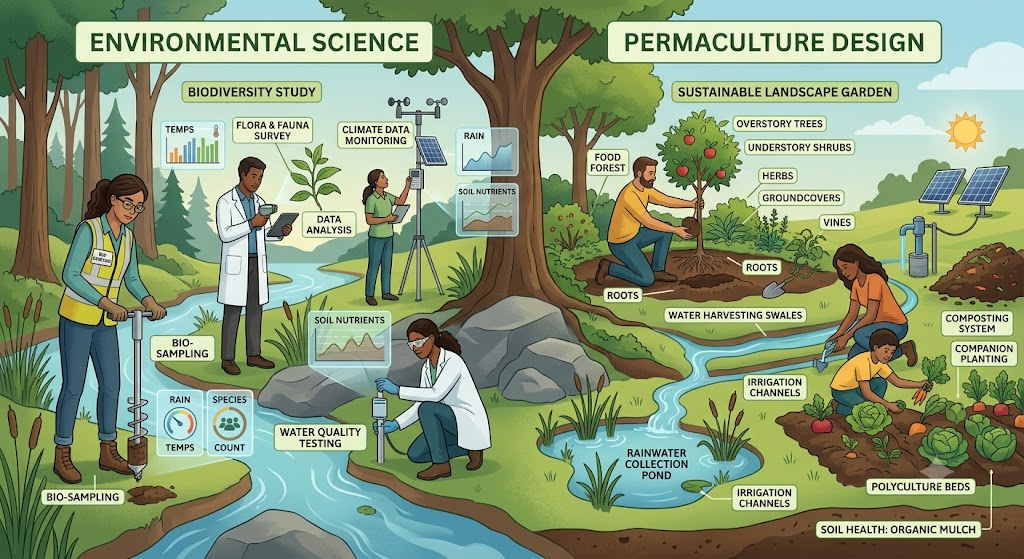
Applied permaculture design goes beyond theory. It focuses on real-world implementation of sustainable systems. Students learn how to analyze landscapes, design regenerative environments, and apply ecological solutions to modern challenges.
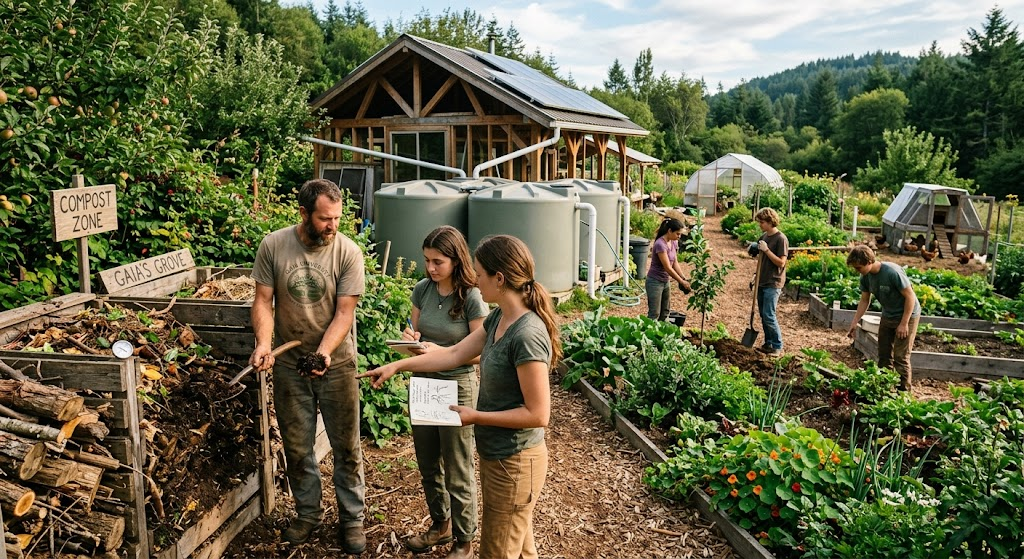
A diploma in applied permaculture design typically combines classroom instruction with practical fieldwork. This hands-on approach ensures graduates can confidently apply what they learn in farms, gardens, urban projects, and community developments.
Why a Diploma in Applied Permaculture Design Matters
Growing Demand for Sustainable Solutions
Climate change, soil degradation, and food insecurity are becoming major global concerns. Governments, businesses, and communities increasingly seek professionals who understand sustainable systems.
Graduates with a diploma in applied permaculture design are uniquely positioned to contribute solutions in areas such as:
- Sustainable agriculture
- Water conservation
- Renewable energy
- Ecological restoration
- Urban farming
- Community resilience planning
This rising demand creates exciting opportunities for students passionate about environmental change.
Building Real-World Ecological Skills
Unlike many traditional academic programs, permaculture education emphasizes practical skills. Students don’t just memorize concepts—they apply them directly in the field.
Skills learned often include:
| Skill Area | Practical Application |
| Soil Management | Composting and regenerative farming |
| Water Systems | Rainwater harvesting and irrigation |
| Food Production | Organic gardening and agroforestry |
| Design Planning | Sustainable landscape layouts |
| Energy Efficiency | Renewable energy integration |
These abilities are highly valuable in both rural and urban sustainability projects.
Core Subjects Covered in the Diploma
Soil Health and Regenerative Agriculture
Healthy soil is the foundation of sustainable ecosystems. Students study composting, mulching, crop rotation, and natural fertilization techniques.
They also learn regenerative farming practices that restore biodiversity and improve long-term land productivity.
Water Harvesting and Management
Water scarcity affects millions worldwide. A diploma program teaches methods to conserve and manage water effectively.
Common topics include:
- Rainwater harvesting
- Swale construction
- Greywater recycling
- Pond design
- Irrigation efficiency
These systems reduce waste while increasing resilience during drought conditions.
Sustainable Food Systems
Food production is another central focus. Students explore ways to grow food using natural systems rather than chemical-heavy agriculture.
Subjects often include:
- Companion planting
- Forest gardening
- Organic crop management
- Seed saving
- Agroecology
The goal is to create productive ecosystems that require fewer external resources.
Ecological Building Techniques
Many diploma programs also introduce sustainable construction methods. Students may study:
- Natural building materials
- Passive solar design
- Tiny home construction
- Green roofing systems
- Earth-based architecture
These approaches reduce environmental impact while improving energy efficiency.
Renewable Energy Integration
Renewable energy is essential for sustainable communities. Programs may cover:
- Solar systems
- Wind energy basics
- Energy-efficient design
- Off-grid living systems
This knowledge helps graduates design resilient environments with reduced carbon footprints.
Practical Training and Hands-On Experience
Design Projects and Site Analysis
One of the strongest features of a diploma in applied permaculture design is hands-on learning. Students often complete real design projects that involve:
- Mapping landscapes
- Observing ecological patterns
- Creating sustainable land-use plans
- Evaluating soil and water systems
This practical experience prepares graduates for professional work immediately after completing the course.
Community-Based Learning
Many programs encourage collaborative learning through community gardens, ecological restoration projects, and sustainable housing initiatives.
Working with communities teaches students how to communicate ideas clearly and develop teamwork skills.
Internship Opportunities
Some diploma providers partner with eco-farms, sustainability centers, and environmental organizations. Internships allow students to gain valuable experience while building professional networks.
These opportunities often lead to future employment or entrepreneurial ventures.
Career Opportunities After Graduation
A diploma in applied permaculture design opens doors to multiple career paths in sustainability and environmental management.
Permaculture Designer
Permaculture designers create sustainable systems for farms, homes, schools, and communities. They analyze land conditions and develop ecological solutions tailored to each project.
Sustainable Farm Consultant
Many graduates work with farmers to improve productivity while reducing environmental damage. Consultants may advise on:
- Soil restoration
- Water efficiency
- Organic farming methods
- Crop diversification
Eco-Education and Training
Education is another growing field. Graduates can become workshop leaders, sustainability educators, or community trainers.
Teaching others about regenerative practices creates long-lasting environmental impact.
Landscape and Regenerative Planner
Some professionals specialize in ecological landscaping and regenerative land planning. They help design spaces that support biodiversity, conserve water, and improve ecosystem health.
Skills You Gain from a Diploma in Applied Permaculture Design
Systems Thinking
Permaculture encourages students to understand how different systems interact. Instead of viewing problems separately, graduates learn to see connections between soil, water, plants, animals, and human communities.
This systems-thinking mindset is valuable in many industries.
Sustainable Resource Management
Students develop the ability to manage resources responsibly. They learn strategies for minimizing waste while maximizing productivity through natural solutions.
Leadership and Project Planning
Project management and leadership are also important components. Students often lead design projects, collaborate with teams, and present sustainability proposals.
These transferable skills increase career flexibility.
Online vs. In-Person Diploma Programs
Benefits of Online Learning
Online programs provide flexibility for students balancing work or family responsibilities.
Advantages include:
- Self-paced learning
- Global access to instructors
- Lower travel costs
- Flexible scheduling
Many online courses still include practical assignments completed locally.
Advantages of Campus-Based Training
In-person learning offers direct access to demonstration sites, instructors, and peer collaboration.
Benefits may include:
- Hands-on workshops
- Field visits
- Immediate feedback
- Stronger networking opportunities
The best option depends on individual learning preferences and lifestyle needs.
How to Choose the Best Diploma Program
Accreditation and Curriculum Quality
Before enrolling, students should evaluate whether the curriculum covers both theory and practical application.
Look for programs that include:
- Ecological design principles
- Hands-on fieldwork
- Experienced instructors
- Recognized certifications
A well-rounded curriculum improves long-term career opportunities.
Faculty Experience and Field Training
Programs led by experienced practitioners provide deeper insights into real-world sustainability challenges.
Students benefit greatly from mentors who actively work in regenerative agriculture or ecological design.
Student Support and Networking
Strong educational institutions often provide mentorship, alumni connections, and internship support.
Networking opportunities can help students launch careers more successfully after graduation.
Challenges Students May Face
Balancing Theory and Practical Work
Permaculture programs can be demanding because they combine classroom study with physical outdoor work.
Students must balance research, assignments, and practical activities effectively.
Time and Financial Commitments
Completing a diploma requires both time and financial investment. However, many graduates find the long-term career benefits worthwhile.
Scholarships, online programs, and flexible study options can help reduce barriers.
The Global Impact of Permaculture Education
Climate Resilience and Food Security
Permaculture education plays a major role in addressing climate challenges. Sustainable systems improve soil health, conserve water, and strengthen food security.
Communities that adopt regenerative practices are often more resilient during environmental disruptions.
Supporting Local Communities
Graduates frequently contribute to local economies through eco-projects, sustainable farming initiatives, and educational programs.
This community-centered approach creates social as well as environmental benefits.
Frequently Asked Questions
What is a diploma in applied permaculture design?
It is a specialized educational program that teaches ecological design, regenerative agriculture, sustainable systems, and practical environmental management skills.
How long does it take to complete the diploma?
Most diploma programs take between one and three years, depending on study format and institution requirements.
Can I study permaculture online?
Yes. Many institutions offer flexible online programs that combine virtual learning with local practical assignments.
What careers can I pursue after graduation?
Graduates may work as permaculture designers, sustainability consultants, educators, ecological planners, or regenerative farm managers.
Is permaculture a good career choice?
Yes. Sustainability careers are growing worldwide due to increasing environmental awareness and demand for regenerative solutions.
Do I need prior farming experience?
No. Most diploma programs welcome beginners and provide foundational training in ecological design and sustainable practices.
Conclusion
A diploma in applied permaculture design offers far more than environmental education. It equips students with practical tools to solve real-world problems related to food systems, water conservation, climate resilience, and sustainable living.
As societies continue searching for greener and more regenerative solutions, trained permaculture professionals will become increasingly valuable. Whether you want to transform landscapes, educate communities, or launch sustainable projects, this diploma can be a powerful step toward a meaningful and impactful career.
The future depends on innovative thinkers who understand how to work with nature instead of against it. By pursuing a diploma in applied permaculture design, students gain the knowledge and confidence to help shape that future.
Responses