
PDC Certificate: Complete Guide to Permaculture Design Certification

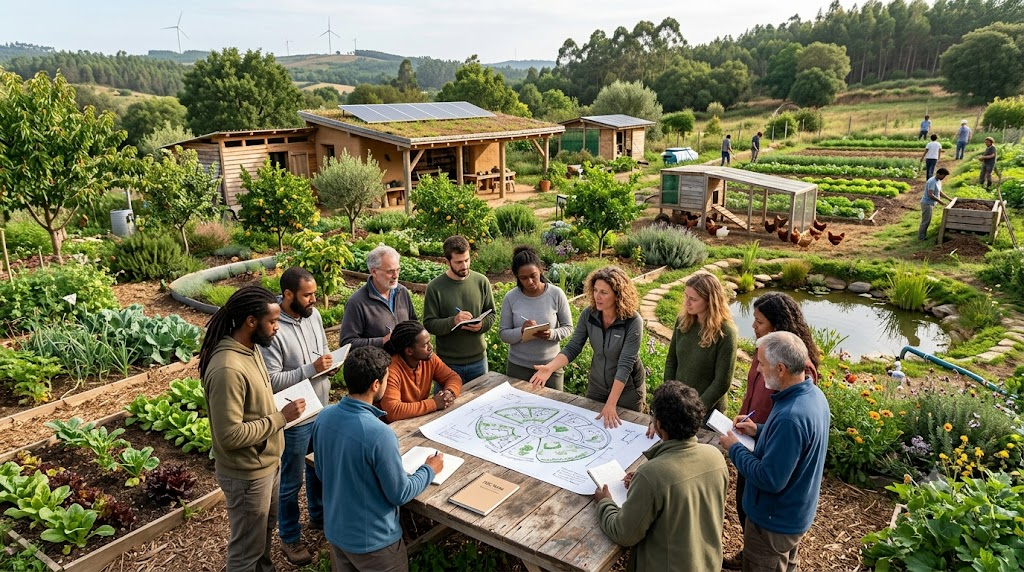
A PDC certificate (Permaculture Design Certificate) is an educational qualification that shows a person has completed structured training in permaculture principles, ecological design, sustainable systems, and practical design methods. A PDC course helps learners understand how to create regenerative solutions for gardens, farms, communities, and human environments.
For people seeking a permaculture diploma, a PDC certificate is often the first major step toward deeper study, professional practice, community projects, or further specialization.
What Is a PDC Certificate?
A PDC certificate is awarded after completing a Permaculture Design Certificate course based on internationally recognized permaculture education principles.
PDC stands for Permaculture Design Certificate. The course usually introduces students to the ethics, principles, methods, and practical applications of permaculture design.
Unlike a short gardening course, a PDC program focuses on designing complete systems. Students learn how different elements—such as water, soil, plants, buildings, energy, and human needs—can work together in sustainable ways.
A PDC certificate demonstrates that the learner has studied the foundations of permaculture design and understands how to apply those concepts in real-world situations.
Why Do People Study for a PDC Certificate?
People pursue a PDC certificate for many reasons, including personal development, environmental awareness, community work, and professional opportunities.
1. Learn Sustainable Design Principles
Permaculture provides a framework for designing systems that support ecological health while meeting human needs. A PDC course teaches learners how to observe natural patterns and apply them to practical designs.
2. Develop Practical Problem-Solving Skills
Students learn how to analyze landscapes, identify challenges, and create solutions using sustainable approaches.
These skills can be applied to:
- Home gardens
- Community spaces
- Agricultural projects
- Education programs
- Ecological restoration initiatives
3. Join a Global Learning Community
Permaculture education connects students with people interested in sustainability, regenerative practices, and ecological innovation around the world.
4. Prepare for Advanced Permaculture Study
Many learners use a PDC certificate as a foundation before continuing into advanced permaculture diploma pathways or specialized areas of study.
What You Learn in a Permaculture Design Certificate Course
A comprehensive PDC certificate program generally covers the foundations of permaculture design.
Students commonly learn:
- Permaculture ethics and principles
- Ecological observation
- Sustainable land management
- Soil improvement methods
- Water management strategies
- Food production systems
- Natural building concepts
- Renewable energy considerations
- Social and community systems
- Permaculture design processes
The goal is not only to learn individual techniques but to understand how systems interact.
Permaculture focuses on designing relationships between elements rather than treating problems separately.
Core Topics Covered in a PDC Certificate Program
Permaculture Ethics
Most PDC programs begin with the three foundational ethics:
- Care for the Earth
- Care for people
- Fair sharing of resources
These ethics guide decision-making throughout the design process.
Ecological Design
Students explore how ecosystems function and how natural patterns can inspire human systems.
This includes learning about:
- Climate considerations
- Landscape patterns
- Biodiversity
- Natural cycles
Soil and Food Systems
Healthy soil is a key part of regenerative design.
A PDC certificate course may introduce concepts such as:
- Soil observation
- Composting
- Plant relationships
- Sustainable food production
Water Management
Water is one of the most important resources in any design system.
Students learn principles related to:
- Water conservation
- Catchment planning
- Landscape water flow
- Efficient water use
Design Methodology
A major part of PDC education involves learning how to create a complete design.
Students often practice:
- Site observation
- Data collection
- Analysis
- Planning
- Implementation strategies
How a PDC Certificate Supports Permaculture Careers
A PDC certificate can help learners develop knowledge for various sustainability-related paths.
Possible areas include:
- Permaculture design consulting
- Sustainable agriculture
- Environmental education
- Community development
- Ecological gardening
- Regenerative projects
However, completing a PDC certificate does not automatically guarantee employment or professional recognition in every country. Career opportunities depend on experience, additional training, local demand, and practical application.
A certificate is best viewed as a foundation for continued learning and real-world practice.
Who Should Consider a PDC Certificate?
A PDC certificate may be suitable for:
Beginners Interested in Sustainability
People with no previous permaculture experience can use a PDC course to understand the foundations.
Gardeners and Farmers
Those working with plants and land can apply permaculture concepts to improve their systems.
Designers and Educators
Professionals interested in sustainable design may use permaculture principles to expand their knowledge.
Community Leaders
People involved in local projects can learn approaches for creating resilient communities.
Environmental Learners
Anyone interested in ecological systems and regenerative thinking may benefit from PDC education.
Online vs In-Person PDC Certificate Programs
Both online and in-person PDC programs can provide valuable learning experiences.
| Feature | Online PDC Certificate | In-Person PDC Certificate |
| Flexibility | High flexibility for learners | Requires scheduled attendance |
| Location | Accessible globally | Usually location-based |
| Learning Style | Digital lessons and assignments | Hands-on activities and interaction |
| Community Experience | Online networking | Direct collaboration |
| Practical Work | Depends on course design | Often includes field activities |
The best option depends on learning preferences, available time, location, and personal goals.
How to Choose the Right PDC Certificate Course
Before enrolling, consider these factors:
Course Curriculum
Review whether the program covers essential permaculture design principles and practical applications.
Learning Approach
Look for a course format that matches your preferred learning style.
Instructor Background
Research the educators, their experience, and their approach to permaculture teaching.
Design Practice
A strong program should include opportunities to apply knowledge through projects or design exercises.
Long-Term Learning Path
Consider whether the course connects with your future goals, such as advanced study or professional development.
For learners exploring structured permaculture education, Gaia University provides programs focused on regenerative learning and ecological practice.
PDC Certificate vs Permaculture Diploma
A PDC certificate and a permaculture diploma are related but different.
| PDC Certificate | Permaculture Diploma |
| Introductory professional foundation | Advanced learning pathway |
| Usually completed as a course | Often requires deeper study and practical work |
| Focuses on core principles and design basics | Focuses on specialization and applied projects |
| Suitable for beginners | Suitable for experienced learners |
Many students begin with a PDC certificate before pursuing more advanced permaculture education.
Frequently Asked Questions About PDC Certificates
What does PDC stand for?
PDC stands for Permaculture Design Certificate. It is a course that teaches the foundations of permaculture ethics, principles, and design methods.
Is a PDC certificate worth it?
A PDC certificate can be valuable for people who want structured permaculture education, practical design knowledge, and a foundation for further study.
How long does it take to complete a PDC certificate?
The duration depends on the program format, schedule, and institution. Many courses are designed around the internationally recognized PDC curriculum structure.
Can I get a PDC certificate online?
Yes, many institutions offer online PDC programs that allow students to learn remotely.
Do I need previous experience before taking a PDC course?
Most PDC programs are designed for beginners as well as people with existing environmental or agricultural experience.
What can I do after completing a PDC certificate?
Graduates may apply their knowledge to personal projects, community initiatives, sustainability work, ecological design projects, or further education.
Is a PDC certificate the same as a permaculture diploma?
No. A PDC certificate provides foundational training, while a permaculture diploma usually represents more advanced study and applied practice.
Conclusion
A PDC certificate is an important starting point for anyone interested in permaculture design, regenerative systems, and sustainable living. It provides learners with a structured understanding of ecological principles and practical design approaches.
Whether your goal is improving your own land, supporting community projects, or exploring a future in sustainability, a PDC certificate can provide valuable knowledge and a foundation for continued growth.
Choosing the right program requires looking at curriculum quality, teaching approach, practical opportunities, and alignment with your long-term goals.

Responses