PDC Certificate: Complete Guide for Permaculture Diploma Seekers

A PDC certificate (Permaculture Design Certificate) is an educational credential that shows a learner has completed a structured permaculture design course based on the principles, ethics, and practical methods of permaculture. It typically covers ecological design, sustainable systems, regenerative practices, and tools for creating resilient human environments.
For people interested in permaculture, a PDC certificate can provide foundational knowledge, design skills, and a framework for applying ecological thinking to gardens, communities, businesses, and landscapes.
Permaculture learners often pursue a PDC certificate as a first step toward deeper study, professional development, community projects, or advanced permaculture education.
What Is a PDC Certificate?
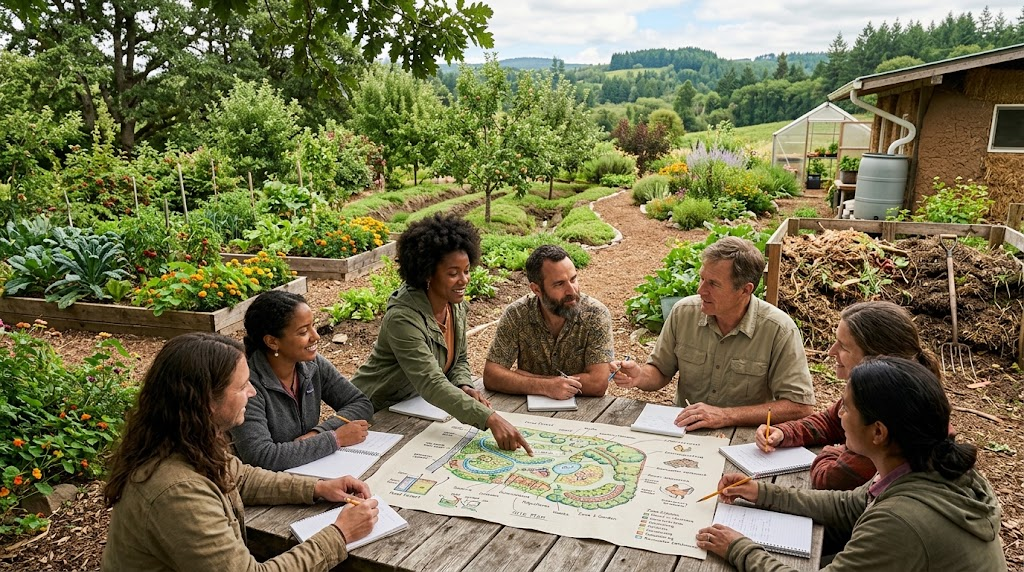
A Permaculture Design Certificate is a qualification awarded after completing a Permaculture Design Course (PDC). The course is designed to introduce students to the core concepts of permaculture and teach them how to apply design principles to real-world challenges.
Permaculture education combines ecological knowledge, social systems thinking, and practical design methods. Instead of focusing only on individual techniques, a PDC teaches students how to observe systems, identify patterns, and create solutions that work with natural processes.
A typical PDC certificate program may include:
- Permaculture ethics and principles
- Ecological design methods
- Natural systems observation
- Soil and water management
- Food production systems
- Sustainable buildings
- Renewable energy concepts
- Community resilience
- Regenerative design approaches
- Permaculture project planning
The exact curriculum may vary depending on the educational provider and teaching approach.
Why Do People Get a PDC Certificate?
Many students pursue a PDC certificate because they want practical knowledge for creating sustainable systems. The certificate can support personal projects, professional goals, and further permaculture study.
Common reasons for completing a PDC include:
1. Learn Permaculture Design Principles
A PDC provides a structured introduction to permaculture concepts. Students learn how different elements in a system can work together rather than treating problems separately.
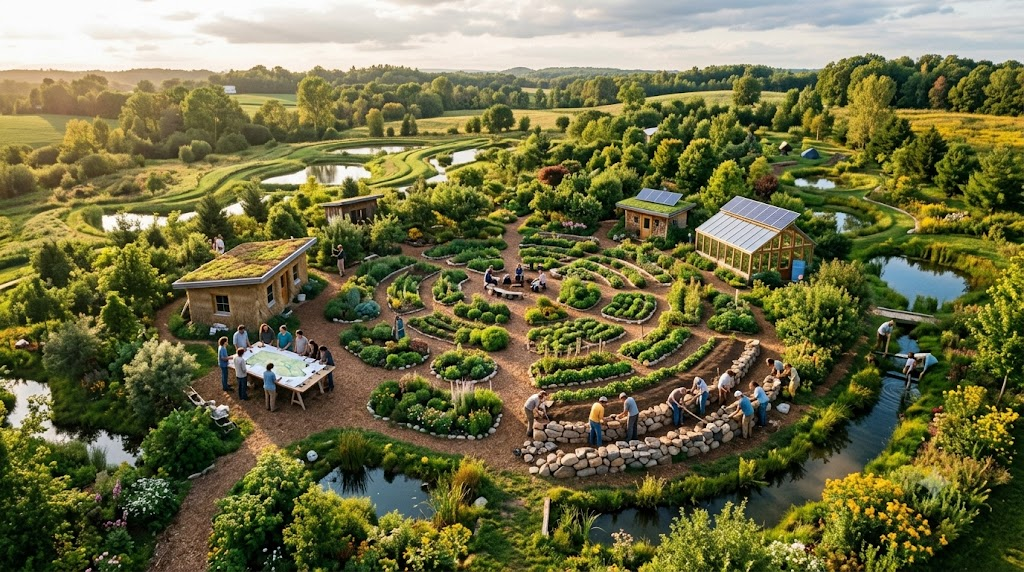
For example, a permaculture design may consider how water collection, plants, soil health, buildings, and human needs interact as one connected system.
2. Develop Practical Design Skills
Permaculture is not only about understanding ecological ideas. It is also about applying those ideas through design.
A PDC certificate course often helps learners practice:
- Site analysis
- Design planning
- Resource assessment
- Problem solving
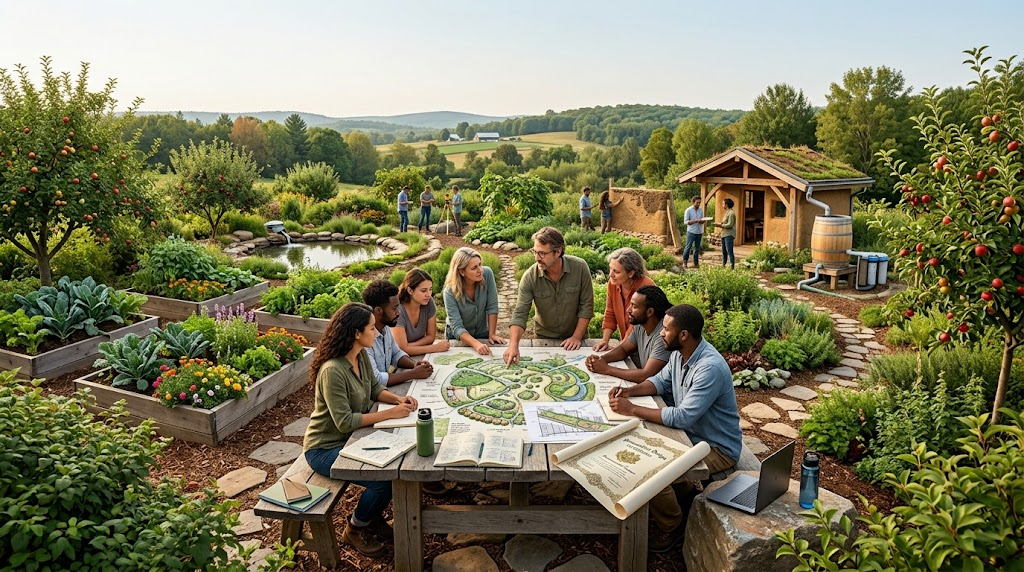
- Mapping and visualization
- Project development
These skills can be useful for designing gardens, farms, community spaces, and regenerative landscapes.
3. Join a Global Learning Community
Permaculture education connects learners with people working on sustainability, ecological restoration, and community development.
Many students value the opportunity to exchange ideas, collaborate on projects, and learn from different cultural perspectives.
What Do You Learn During a PDC Certificate Course?
Although course structures differ, most PDC programs cover several major areas of permaculture knowledge.
Permaculture Ethics
The foundation of permaculture is commonly built around three ethical principles:
- Care for the Earth
- Care for people
- Fair share and responsible resource use
These ethics guide decisions about design, resource management, and community relationships.
Permaculture Principles
Students explore design principles that help create efficient and resilient systems.
These principles encourage learners to:
- Observe before acting
- Use resources efficiently
- Value diversity
- Work with natural patterns
- Design systems that create multiple benefits
Ecological Design
Ecological design focuses on understanding relationships between living systems and human activities.
Students may explore:
- Ecosystem functions
- Climate considerations
- Landscape patterns
- Biodiversity
- Natural cycles
The goal is to create designs that support environmental health while meeting human needs.
Sustainable Food Systems
Food production is a common area of interest among PDC students.
Topics may include:
- Organic gardening methods
- Forest gardens
- Agroecology concepts
- Seed systems
- Soil regeneration
- Integrated growing systems
A PDC encourages learners to think beyond isolated gardening methods and understand food systems as interconnected networks.
Water and Resource Management
Water is one of the most important elements in ecological design.
Students may learn about:
- Water conservation
- Rainwater management
- Landscape planning
- Efficient resource use
These concepts help learners design systems that work with local environmental conditions.
How Long Does It Take to Complete a PDC Certificate?
The duration of a PDC certificate program depends on the learning format and provider.
Common formats include:
| Learning Format | Description |
|---|---|
| Intensive course | Completed in a concentrated period through full-time study |
| Online learning | Flexible study schedule with digital lessons and assignments |
| Hybrid learning | Combination of online education and practical experiences |
| Community-based learning | Hands-on projects combined with classroom learning |
Students should review the course structure, learning outcomes, and practical requirements before choosing a program.
Who Should Consider a PDC Certificate?
A PDC certificate can be suitable for many types of learners, including:
- Aspiring permaculture designers
- Gardeners and growers
- Environmental educators
- Community organizers
- Sustainability professionals
- Farmers interested in regenerative approaches
- People planning ecological projects
- Students exploring environmental careers
You do not always need previous permaculture experience to begin a PDC course. Many programs are designed for beginners who want a strong foundation.
Is a PDC Certificate Worth It?
The value of a PDC certificate depends on a learner’s goals.
For someone interested in understanding permaculture design, the certificate can provide:
- A structured learning pathway
- A foundation in ecological thinking
- Practical design tools
- Confidence in applying permaculture methods
- A connection to a wider learning community
However, a certificate alone does not replace practical experience. Many successful permaculture practitioners continue learning through projects, mentorship, experimentation, and community involvement.
How to Choose the Right PDC Certificate Program
Choosing a PDC program requires careful consideration. Learners should evaluate several factors.
Review the Curriculum
Look for a program that covers essential permaculture concepts and provides meaningful opportunities for application.
Important questions include:
- Does the course teach design methods?
- Are practical examples included?
- Does it match your learning goals?
Understand the Learning Approach
Different programs may emphasize different aspects of permaculture education.
Some focus more on:
- Ecological theory
- Practical projects
- Community development
- Social systems
- Regenerative design
Choose an approach that matches your interests.
Consider the Educational Philosophy
Permaculture education can vary widely depending on the institution.
For example, some learning communities focus on self-directed learning, collaborative knowledge creation, and applying permaculture principles beyond land-based systems.
Gaia University offers learning pathways connected to regenerative education, including approaches that combine ecological thinking, social innovation, and practical action.
Explore Gaia University learning opportunities
PDC Certificate vs Permaculture Diploma
A PDC certificate and a permaculture diploma are related but different learning levels.
| PDC Certificate | Permaculture Diploma |
|---|---|
| Foundational qualification | Advanced learning pathway |
| Usually introduces core principles | Often involves deeper study and project work |
| Suitable for beginners | Suitable for experienced learners |
| Focuses on understanding design concepts | Focuses on applying knowledge through practice |
Many learners begin with a PDC certificate before continuing into advanced permaculture education.
How Can a PDC Certificate Support a Permaculture Career?
A PDC certificate can support people interested in sustainability-related work by providing foundational knowledge and design skills.
Potential areas of application include:
- Ecological design consulting
- Community projects
- Education and workshops
- Sustainable agriculture
- Regenerative development
- Environmental initiatives
Career opportunities often depend on additional experience, local opportunities, professional skills, and continued learning.
The Future of Permaculture Education
As communities explore more resilient and regenerative approaches, permaculture education continues to attract learners interested in environmental and social solutions.
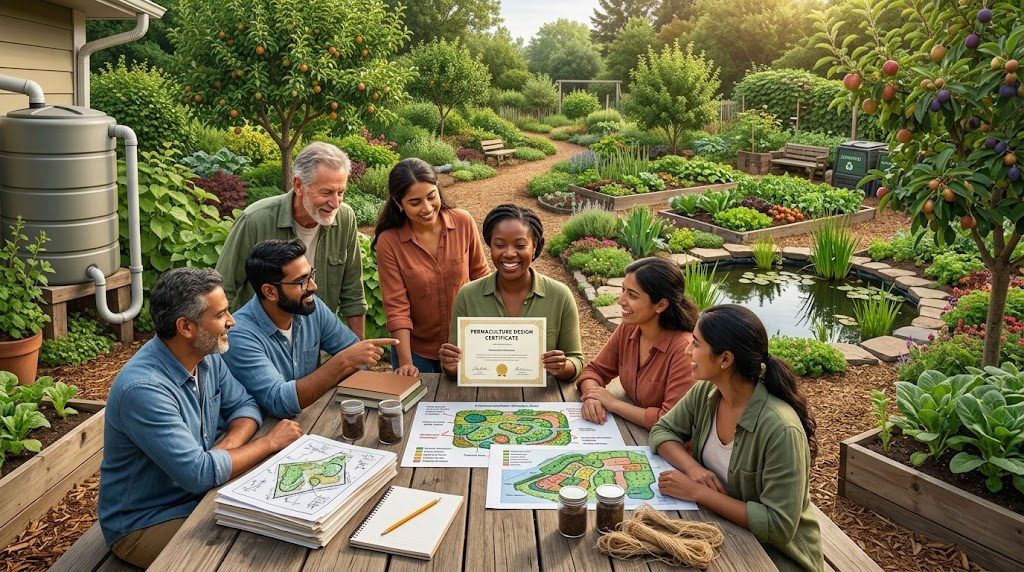
A PDC certificate represents more than a course completion document. For many students, it is an introduction to a different way of thinking about relationships between people, resources, and ecosystems.
Modern permaculture education increasingly explores how design principles can support not only landscapes but also organizations, communities, and broader systems.
Gaia University’s educational approach focuses on regenerative learning and supporting learners who want to develop practical projects and transformational initiatives.
Frequently Asked Questions About PDC Certificate
What does PDC stand for in permaculture?
PDC stands for Permaculture Design Certificate. It is a qualification earned after completing a Permaculture Design Course that teaches foundational permaculture principles and design methods.
Is a PDC certificate recognized internationally?
Many PDC programs are recognized within the global permaculture community because they follow established permaculture education frameworks. Recognition can depend on the course provider and the learning community involved.
Can beginners take a PDC certificate course?
Yes. Many PDC courses are designed for beginners who want to learn the fundamentals of permaculture design and ecological thinking.
What can I do after completing a PDC certificate?
After completing a PDC, learners may apply their knowledge to personal projects, community initiatives, sustainable design work, education, or further permaculture studies.
Does a PDC certificate make me a permaculture designer?
A PDC certificate provides foundational training in permaculture design. Becoming a skilled designer usually requires continued practice, real-world projects, and ongoing learning.
How do I choose the best PDC certificate program?
Consider the curriculum, teaching approach, learning format, practical opportunities, and whether the program aligns with your personal and professional goals.