
Certified Permaculture Designer: Powerful Steps to Build a Sustainable Career


🌱 Certified Permaculture Designer: Complete Guide for Diploma Seekers
What is a Certified Permaculture Designer?
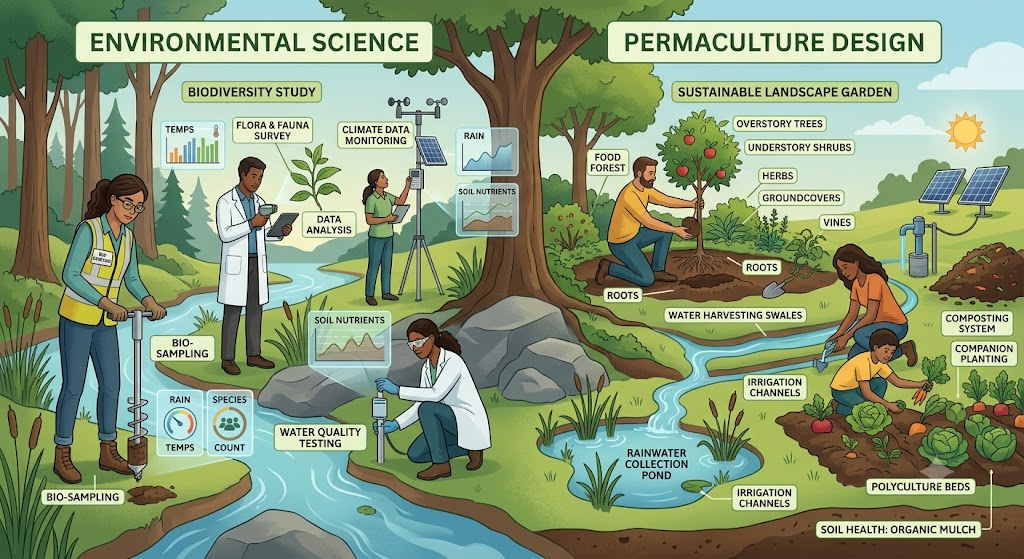
A certified permaculture designer is a trained professional who applies ecological design principles to create sustainable and self-sufficient systems. These systems can include farms, gardens, urban spaces, and even entire communities. The goal is to work with nature, not against it.
Permaculture combines agriculture, ecology, and design thinking. As a result, a certified permaculture designer doesn’t just grow food—they design ecosystems that thrive long-term.
Understanding Permaculture Ethics
At the heart of permaculture are three simple but powerful ethics:
- Earth Care: Protect natural systems
- People Care: Support human well-being
- Fair Share: Distribute resources responsibly
These ethics guide every decision a designer makes.
Key Design Principles
Permaculture design follows practical principles such as:
- Observing natural patterns
- Using renewable resources
- Minimizing waste
- Designing for energy efficiency
These principles help create systems that are productive and sustainable.
Why Choose a Career in Permaculture Design?
Becoming a certified permaculture designer is more than a job—it’s a mission-driven career.
Environmental Impact
Permaculture designers help:
- Restore damaged ecosystems
- Reduce carbon footprints
- Improve soil health
In a world facing climate challenges, this role is more important than ever.
Career Opportunities
With certification, you can explore roles such as:
- Sustainability consultant
- Landscape designer
- Organic farmer
- Educator or trainer
There’s growing demand for eco-conscious professionals globally.
Certified Permaculture Designer Pathway
The journey to becoming a certified permaculture designer is structured yet flexible.
Permaculture Design Certificate (PDC)
The PDC is the first and most essential step. It usually includes:
- 72 hours of training
- Hands-on design projects
- Learning core permaculture principles
This certification is recognized worldwide.
Advanced Diploma Programs
After completing a PDC, many learners pursue a diploma for deeper expertise.
Field Experience
Diploma programs require:
- Real-world projects
- Case studies
- Applied design work
This stage builds true mastery.
Skills Required for Success
To thrive as a certified permaculture designer, you need a mix of technical and interpersonal skills.
Technical Skills
- Site analysis and mapping
- Soil and water management
- Plant knowledge
- System design
Soft Skills
- Communication
- Problem-solving
- Creativity
- Team collaboration
These skills help you work effectively with clients and communities.
Top Courses for Certified Permaculture Designer
There are many options available, both online and in-person.
Accredited Institutions
Some well-known providers include:
- Permaculture institutes
- Sustainability schools
- Online learning platforms
Cost and Duration of Certification
Budget Planning
- PDC Course: $500–$2000
- Diploma Programs: Varies widely
Affordable Options
- Scholarships
- Community-based learning
- Online courses
Many programs offer flexible payment plans.
Tools Used by Permaculture Designers
Designers use a variety of tools, including:
- Mapping software
- Soil testing kits
- Water management tools
- Design templates
These tools help create accurate and efficient designs.
Real-World Applications
Urban Permaculture
In cities, designers create:
- Rooftop gardens
- Vertical farming systems
- Community gardens
Rural Systems
In rural areas, they design:
- Food forests
- Regenerative farms
- Water harvesting systems
Challenges in Becoming Certified
Like any career, there are challenges:
- Time commitment
- Hands-on learning requirements
- Initial investment
However, the long-term rewards outweigh these hurdles.
Benefits of Certification
Becoming a certified permaculture designer offers:
- Professional credibility
- Higher earning potential
- Global opportunities
- Personal fulfillment
It’s a career that aligns purpose with income.
How to Build a Portfolio
A strong portfolio is essential. Include:
- Design projects
- Before-and-after photos
- Case studies
- Client testimonials
This showcases your skills to potential clients or employers.
Networking and Community
Permaculture thrives on community.
- Join local groups
- Attend workshops
- Participate in events
Networking opens doors to opportunities and collaborations.
Future Trends in Permaculture
The field is evolving with:
- Smart agriculture technology
- Climate-resilient design
- Urban sustainability solutions
The future looks bright for certified permaculture designers.
❓ FAQs About Certified Permaculture Designer
1. What is a certified permaculture designer?
A professional trained to design sustainable ecosystems using permaculture principles.
2. How long does it take to become certified?
A PDC can take a few weeks, while a diploma may take 1–2 years.
3. Is certification necessary?
While not mandatory, certification boosts credibility and job prospects.
4. Can I study permaculture online?
Yes, many institutions offer online PDC courses.
5. What jobs can I get after certification?
You can work as a consultant, designer, farmer, or educator.
6. How much can I earn?
Income varies, but experienced designers can earn competitive rates globally.
🌿 Conclusion
Becoming a certified permaculture designer is a powerful step toward a sustainable and meaningful career. It combines creativity, science, and environmental stewardship into one impactful profession. Whether you’re just starting or aiming for a diploma, this path offers endless opportunities to grow—both personally and professionally.


Responses