
Online Permaculture Diploma: Learn Regenerative Design Skills From Anywhere

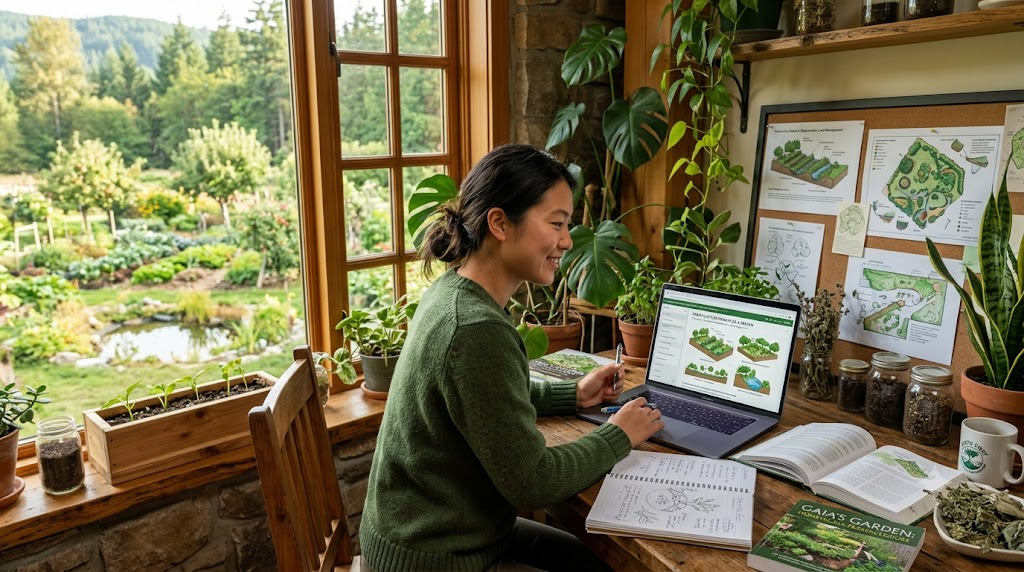
Permaculture has become an important approach for people who want to understand sustainable systems, ecological design, and regenerative ways of living. An online permaculture program allows students to explore these ideas through flexible learning while developing skills in areas such as ecological thinking, land design, community development, and sustainable practices.
For diploma seekers, online permaculture education offers a way to study with experienced educators while balancing work, family, location, and other responsibilities. It connects global learners who share an interest in creating healthier relationships between people and the natural world.
What Is Online Permaculture?
Online permaculture is the study of permaculture principles, design methods, and practical applications through digital learning platforms. Instead of attending a traditional classroom, students access lessons, discussions, assignments, and learning resources through online environments.
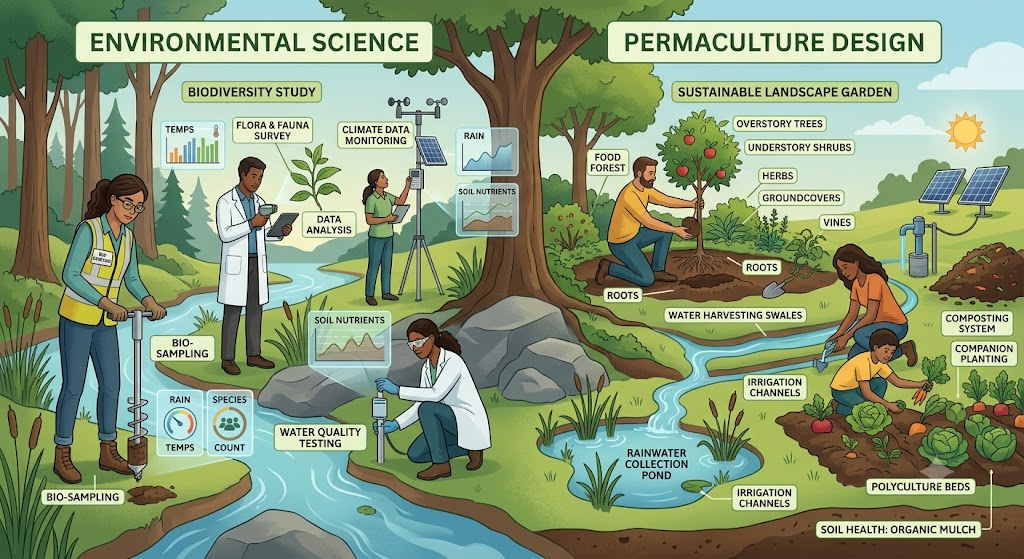
Permaculture education is based on understanding natural systems and designing human activities in ways that support ecological balance. It combines knowledge from areas such as agriculture, environmental studies, architecture, community building, and social innovation.
An online permaculture diploma usually goes beyond basic gardening techniques. Students learn how to observe systems, identify challenges, create design solutions, and apply regenerative approaches in different environments.
Because permaculture principles can be adapted to many climates, cultures, and communities, online learning creates opportunities for students from diverse locations to share perspectives and experiences.
Why Study Permaculture Online?
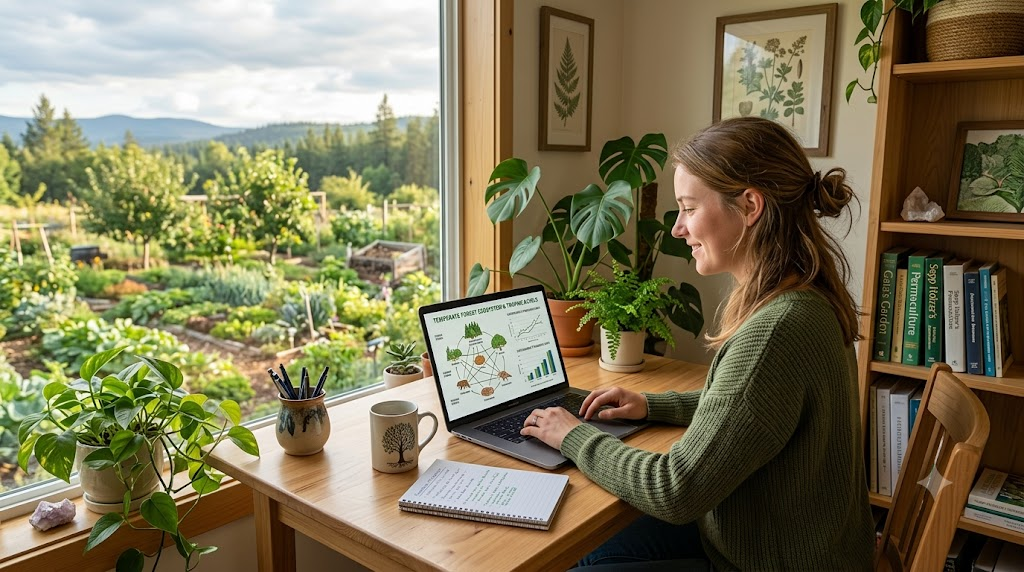
Online learning has changed how people access specialized education. For many aspiring permaculture practitioners, studying online provides flexibility without limiting access to quality instruction.
Some key advantages include:
Flexible Learning Schedules
Many students choose online permaculture programs because they can study at their own pace. This is especially useful for professionals, parents, and people managing other commitments.
Access to Global Perspectives
Permaculture is a worldwide movement. Online courses allow students to connect with people from different regions and learn how ecological challenges are addressed in various contexts.
Learning Without Relocation
Traditional education may require travel or moving to another location. Online permaculture education removes many geographical barriers and makes learning accessible to more people.
Developing Practical Thinking Skills
A strong permaculture education focuses on observation, creativity, and problem-solving. Students learn how to analyze systems and design responses based on real-world conditions.
What You Learn in an Online Permaculture Diploma
An online permaculture diploma typically introduces students to a wide range of topics connected to sustainable design and regenerative practices.
Common areas of study may include:
Permaculture Ethics and Principles
Students explore the foundational ethics of permaculture, including caring for the Earth, caring for people, and creating fair relationships with resources.
Understanding these principles helps learners make decisions based on long-term ecological and social impacts.
Ecological Observation and Systems Thinking
Permaculture begins with observation. Students learn how natural systems function and how different elements interact.
Systems thinking helps learners understand connections between soil, water, plants, animals, communities, and human activities.
Permaculture Design Methods
Design is a central part of permaculture education. Students learn methods for creating plans that respond to specific environments and goals.
Design projects may involve gardens, farms, homes, communities, educational spaces, or broader social systems.
Regenerative Practices
Many learners are interested in permaculture because it focuses on regeneration rather than simply reducing harm.
Students explore approaches that support healthier ecosystems, improve resource use, and strengthen communities.
Community and Social Design
Permaculture is not only about physical landscapes. It also considers how people cooperate, share resources, and create resilient communities.
Online diploma programs often explore social systems and ways to encourage collaboration.
Core Principles of Permaculture Education
A quality online permaculture education is built around several important concepts.
Observe Before Designing
One of the most important lessons in permaculture is careful observation. Before creating solutions, learners study existing conditions, patterns, limitations, and opportunities.
Work With Natural Systems
Permaculture encourages cooperation with ecological processes instead of relying on approaches that ignore natural patterns.
Create Sustainable Relationships
Permaculture design considers relationships between different parts of a system. A successful design supports multiple benefits rather than solving only one problem.
Focus on Long-Term Impact
Permaculture encourages decisions that consider future generations. Students learn to evaluate whether actions create lasting positive effects.
Practical Learning in an Online Environment
A common question from diploma seekers is whether online learning can provide practical experience.
Although online education does not replace direct interaction with landscapes, it can provide valuable design knowledge, analysis skills, and planning experience.
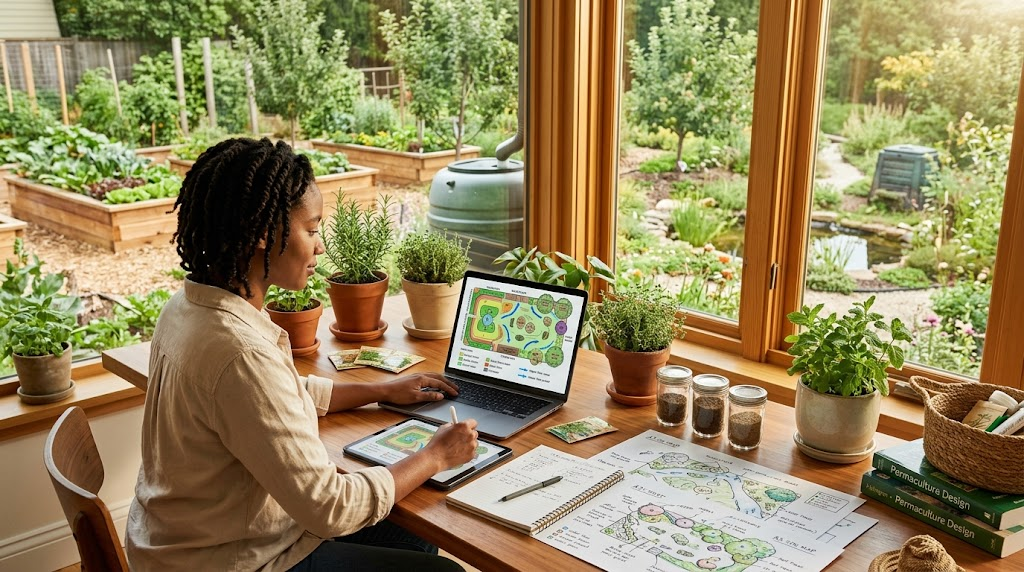
Many online learners complete practical projects in their own environments. This may include designing gardens, evaluating local resources, improving household systems, or developing community-based initiatives.
The combination of online theory and local application allows students to connect global principles with their own circumstances.
Who Should Consider an Online Permaculture Diploma?
An online permaculture diploma may be suitable for people from many backgrounds, including:
- Sustainability professionals seeking additional knowledge
- Gardeners and growers interested in ecological approaches
- Educators who want to teach environmental concepts
- Community organizers working on resilience projects
- Entrepreneurs developing sustainable solutions
- Individuals interested in creating more regenerative lifestyles
Students do not always need previous environmental education. A willingness to learn, observe, experiment, and think creatively is often more important.
Career and Personal Development Opportunities
Permaculture education can support many professional and personal goals.
Some graduates use their knowledge to develop work in areas such as:
- Sustainable design
- Ecological education
- Community development
- Food systems
- Environmental consulting
- Regenerative projects
Others use permaculture principles in personal projects, including home gardens, community initiatives, and lifestyle changes.
The value of permaculture education is not limited to a specific job title. It develops a way of thinking that can be applied across many fields.
How to Choose an Online Permaculture Program
When comparing online permaculture diploma options, prospective students should consider several factors.
Curriculum Quality
Review what topics are covered and whether the program provides a complete understanding of permaculture principles and applications.
Learning Approach
Consider whether the program includes discussions, assignments, projects, mentoring, and opportunities for reflection.
Practical Application
Look for programs that encourage students to apply knowledge through real projects and design work.
Learning Community
A strong learning community can improve the educational experience by allowing students to exchange ideas and receive feedback.
Educational Goals
Students should choose a program that matches their personal goals, whether they want professional development, community involvement, or deeper ecological understanding.
The Future of Online Permaculture Education
As interest in sustainability grows, online permaculture education continues to provide opportunities for people around the world.
Digital learning makes it easier for students to access specialized knowledge and connect with international communities focused on ecological solutions.
The future of permaculture education will likely continue combining online learning with local practical projects, creating flexible pathways for students who want to contribute to regenerative change.
FAQs About Online Permaculture
What is an online permaculture diploma?
An online permaculture diploma is an educational program that teaches permaculture principles, ecological design methods, and sustainable practices through digital learning.
Can I study permaculture online without previous experience?
Yes. Many online permaculture programs are designed for beginners as well as learners with existing environmental knowledge.
Is online permaculture education practical?
Online programs can provide practical design skills and encourage students to apply learning through projects in their own environments.
How long does it take to complete an online permaculture diploma?
The duration depends on the specific program structure, learning format, and student pace.
What skills can I gain from studying permaculture online?
Students may develop skills in ecological observation, design thinking, sustainability planning, systems analysis, and regenerative practices.
Is an online permaculture diploma useful for a sustainability career?
It can support professional development by providing knowledge and design skills relevant to sustainability-related work.
Where can I learn more about Gaia University’s approach to online permaculture education?
Prospective students can explore Gaia University’s official information about its programs and educational approach through its website.
Conclusion
Online permaculture education provides an accessible pathway for people who want to understand ecological design, sustainability, and regenerative systems. For diploma seekers, it offers flexibility, global connections, and opportunities to apply learning in real-world situations.
Choosing the right online permaculture program requires careful consideration of curriculum, practical application, learning support, and personal goals. With the right educational foundation, students can develop skills that support both personal transformation and wider ecological and community initiatives.
Responses