Building and Maintaining Resilient Communities – Lessons from the Desert

by Matheo James – Gaia U Master’s Degree Candidate
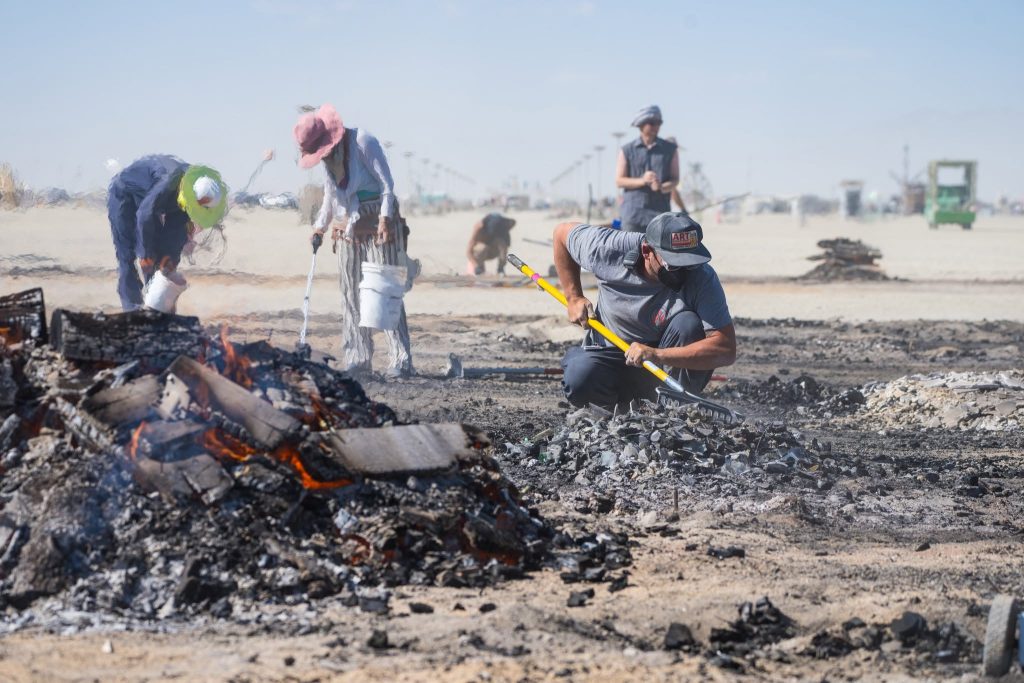
In 2024, as an integral part of my Master’s Degree pathway with Gaia University International, I attended the Burning Man arts festival in the Black Rock Desert of the Western USA. Ava Klinger and I collaborated to support the volunteers building ‘The Temple of Together’ – a volunteer art project which centers grief and transformation, welcoming people of all faiths and traditions. For eight days, tens of thousands of people came to reflect, write messages on the structure to loved ones who had passed, tell their stories, and connect in a shared field where grief is normalized and welcome. To mark the end of the festival, The Temple was set on fire. More than 30,000 souls gathered around in an enormous circle, and witnessed in silence as the flames transformed our offerings to smoke and lifted our prayers to the sky.
My role throughout the intensive, dust-filled process of building The Temple was to offer emotional support to the volunteers who were building the structure. Having attended the festival more than 10 times, I knew that the stresses of camping and construction work in the heat (and cold!) of a high altitude desert climate could lead to dehydration and fatigue. To complete the picture, imagine navigating the occasional 100 KPH dust storm in this remote wilderness location, where rains sometimes turn the whole desert into knee-deep mud for kilometers in every direction. In this environment, it is entirely normal (expected, even) that typically level-headed individuals will at times find themselves depleted, emotionally overwhelmed, and occasionally unstable. To build and maintain resilient community bonds amidst these challenges requires a comprehensive approach to navigating the ups and downs of messy, complicated human relationships — as well as a robust method for enacting repair when the inevitable rifts between individuals surface.
Below I’ve outlined some of the tools I found useful in this role:
- Non-Violent Communication (NVC)
- Polyvagal Theory
- The Needs Wheel
- The Art of Repair
- Transformative Justice
NVC: Communicating Feelings, Needs and Requests
Non-violent Communication (NVC), often called compassionate or heartful communication, is a transformative communication paradigm designed to address the complex and challenging dynamics that arise in human interaction. Rooted in the recognition that healthy relationships involve the expression and express feelings and needs, NVC emphasizes the importance of open, empathetic dialogue, particularly when emotions run high, or conflicts emerge. This framework encourages individuals to articulate their feelings honestly, connect them to unmet needs, and make open requests that help get these needs met. NVC served as the foundation upon which all other interventions were built, and was core to the successful interventions that our project facilitated.
Drawing on the principles of Nonviolent Communication (NVC), I worked to foster productive discussions around the unmet needs of participants. This sometimes involved sorting out interpersonal frictions and conflicts, and occasionally meant seeking redress for actions which resulted in harm. It also meant continually assessing the group’s capacity to adapt to systemic issues, and advocating for intervention when patterns of behavior within the group disproportionately affected one group or another.
I often found myself engaged in empathetic and reflective listening, creating space that allowed individuals to express feelings without fear of judgment or shame. while also prompting feeling words and expressions of needs with the hope that it might help others to engage socially in ways that promote emotional intimacy, understanding, and resolution of conflicts and differences of opinion.
Similarly, I found resonance with Burning Man’s “Leave No Trace” (LNT) ethos, which encourages participants to minimize their environmental impact and creates an accountability structure for those who leave a mess. Translating this ethos into the emotional and social realms, I asked the question: what if we applied the same diligence towards interpersonal grievances and emotional harms? My hope was that a comprehensive survey of the impacts of participation could surface any lingering emotional energy, which might then be addressed through processes of interpersonal repair and accountability. It was our intention to then collate patterns we found and go beyond the mere restoration of the status quo, and into the realm of transformational social intervention. Thanks to my studies at Gaia University, I felt confident utilizing the tools at our disposal to effect change, and empowered to speak truth to power in a compassionate and effective manner.
The Needs Wheel: Assessing and Addressing Needs
The challenges inherent to building and maintaining community are multiplied once we enter a demanding or harsh environment. By taking a needs-based approach to community wellness, the transformational potential of the stresses involved can be maintained without risking the harms that sometimes result when critical needs go unmet for too long.
When challenging situations arise, it’s important to access our higher cognitive capacities for empathy and mutual understanding. This requires an internal set of resources and skills, as well as an established set of connections and agreements within the context of a social safety net where energy flows easefully from where it is concentrated to where it is needed. By grounding such efforts in the relatively mundane and practical pursuit of human needs, we made sure that our efforts returned again and again to what was truly necessary, and based in relationship with human beings rather than focusing on merely implementing theoretical knowledge.
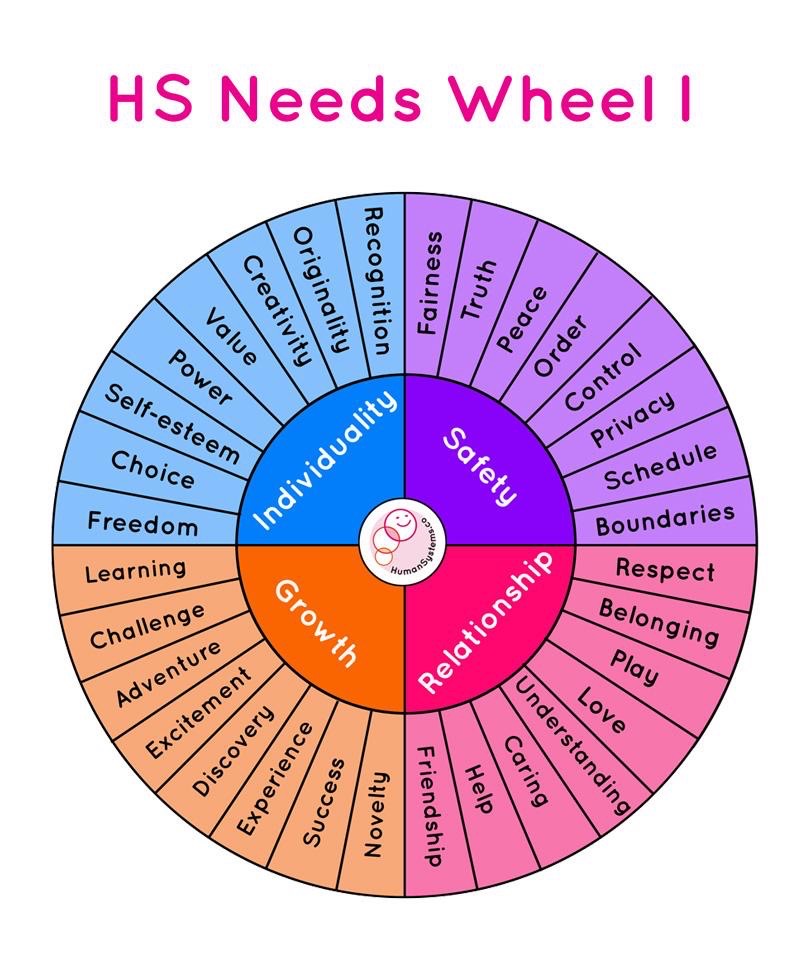
This “Needs wheels” chart of psychological needs was always in the back of my mind while showing up to support people one-on-one. A more comprehensive list of emotions and needs can be found at the Human Systems website.
Polyvagal Theory – Reading and Interpreting the Body’s Signals
Polyvagal Theory adds nuance to our understanding of how an individual responds to stress by introducing the concepts of “upregulation” and “downregulation”. This presents a framework for noticing when one’s responses are counterproductive and consciously adjusting the physiological state to align one’s “affect” with one’s aims. This requires practice, and is often easier with the help of an experienced companion who can remain calm and centered while helping another discover and address their unmet needs in the moment.
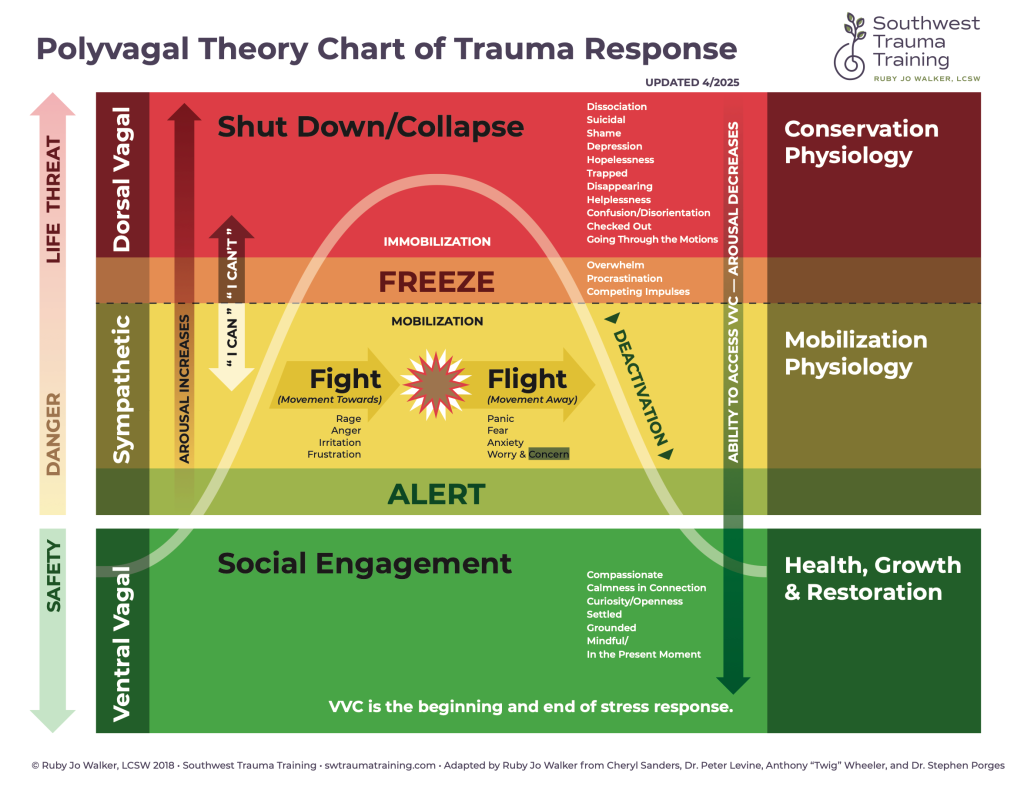
Maintaining this self-awareness is sometimes challenging, and it often becomes even harder under duress. Putting somatic self-awareness into action requires bringing attention to the body’s sensations, then interpreting what we notice in order to identify and express our feeling With practice, we can then downregulate enough to apply critical thinking skills to the situation, and assess whether our nervous system is responding to a current stressor or an learned expectation based on past experiences. In either case, the experience is true and useful – but how we address the body’s responses depends on our capacity to be present with what is, including any unprocessed emotional baggage.
When people are under duress – and Burning Man is an inherently stressful environment – they are more likely to engage socially from their sympathetic nervous system, or what is commonly referred to as the “fight or flight” response. The more recently identified stress responses of “freeze” and “fawn” can also come into play, leading to disassociation and disconnection. It may be that any of these is an appropriate response to a situation, and it may be that such impulses lead to dysfunctional behavior. This is where connection and group support can help people stay on track – when we care for another and remind one another to each take care of ourselves, the risk for physical and interpersonal harm can be greatly reduced.
Providing this kind of emotional support in a high-stress environment often means engaging with those who need it by offering down-regulating interventions. These can include:
- Addressing physical needs – water, food, temperature regulation, and rest
- Addressing psychological needs – connection, engagement, safety and space
- Changing the immediate environment – When someone is overwhelmed or distressed, stepping away from the stressful situation can be the first step toward emotional regulation and re-engagement.
- Offering empathetic listening
- Holding space for movement or energy discharge.
- Grounding or Centering exercises which calm the nervous system, such as box breathing or guided relaxation
- When appropriate, consensual downregulating touch such as hugs or cuddles
- Assurances of ongoing support
Remaining in the presence of a stress trigger can make regulation difficult. Sometimes simply removing one’s self from a situation and getting out of the sun, having a snack, or resting for five minutes can be enough to meet an unmet need and shift perspectives.
When hyper-aroused (fight or flight) or hypo-aroused (freeze or fawn), people may struggle to express needs or calm down. A nuanced understanding of the nervous system is crucial to deciding whether to encourage action or leave them to figure things out for themselves.The body and subconscious mind are constantly tracking needs like hydration, food, rest, temperature, pain, and breathing. Deficiencies in any of these can contribute to emotional instability and safety risks, especially when operating tools or machinery.
Once removed from immediate stressors, a person needs to feel safe and supported as they undergo physiological stabilization. Empowering support doesn’t seek to remove every source of stress, but rather emphasizes gaining access to internal and external resources to cope and move forward in conscious, adaptive ways that reduce peaks in the stress load over time, and balance stresses with integration and renewal.
Connecting physical sensations to emotional experience helps people meet social needs for connection and empathy. These needs, while less tangible, are almost as essential to our physiological functioning as food and water. Internal resourcing through tools like visualization or self-compassion can substitute for interpersonal support, though they require practice to access during intense stress.
Deeper psychological or somatic work to reshape narratives and behavioral patterns takes time and commitment. Within the time-limited context of an event or project, support often centers around helping people calm down, gain clarity, and establish boundaries as they cope with stresses and stressors. The deeper work of transformation and training takes a back seat, and the focus becomes about restoring function and connection in the moment. The time for integration and practice is in between events, so that tools are at the ready when the next period of intensity sets in. Another empowering alternative – simply choosing to not expose oneself to the stresses again in the future – is a valid choice I often found myself reminding others of.
The Art of REPAIR – Restoring Integrity
In a world where fractured relationships are commonplace, the Art of REPAIR offers a powerful framework for healing and reconciliation. Developed by Dr. Hazel-Grace, this method enriches global conversations around restorative and transformative justice by focusing on personal relationships—friendships, families, and romantic partnerships. While applicable to any community-based interaction, its foundation in consent and mutual willingness sets it apart from traditional notions of justice centered on punishment.
The Art of REPAIR acknowledges that true healing can only occur when all parties are willing participants. This emphasis on consent challenges the punitive mindset often ingrained in conflict resolution, replacing it with a focus on mutual accountability and emotional repair. The process is divided into two phases, each with three clearly defined steps. This structure provides a roadmap for navigating the complexities of emotional wounds and fostering meaningful reconnection.
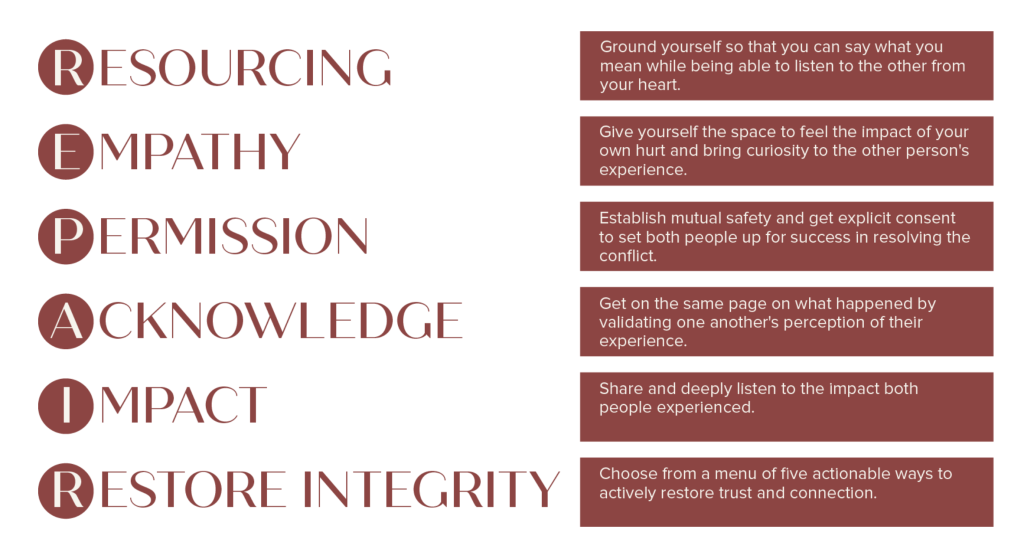
© Dr. Hazel-Grace Yates, https://www.drhazelgrace.com/about-art-of-repair
The Art of REPAIR has been a transformative tool for me, adding depth and nuance to my conflict resolution strategies. I experienced the profound impact of this modality firsthand during a relationship repair process I navigated in 2023. It offered a quantum leap in understanding, bringing clarity and cohesion to concepts I had explored for years, but had yet to master.
This modality offers a vision for a more compassionate, connected world. By emphasizing consent, willingness, and shared values, it equips individuals and communities with the tools to transform conflict into growth. I see this work as fundamental to the global movement for reconciliation and justice, and very necessary for those who wish to maintain cohesive group energy towards such goals over time.
Transformative Justice – A Framework for Harmony and Accountability
Transformative Justice (also known as Restorative Justice) is a framework and practice that addresses the root causes of harm in our communities. Rather than relying on punitive systems, TJ focuses on repairing harm, restoring relationships, and confronting the systemic conditions that perpetuate cycles of injustice. It has gained traction in marginalized communities, including Black and Queer communities, as an alternative to police intervention and carceral approaches.
Rooted in cultural practices like Māori reconciliation and the Hawaiian practice of ho’oponopono (“making things right”), Transformative Justice extends beyond the scope of individual harm to reshape the structures that enable it. Its principles resonate deeply with abolitionist and trauma-informed movements, offering tools to foster accountability and reduce the perpetuation of harm on both systemic and interpersonal levels.
Personally, embracing Transformational Justice has transformed how I navigate harm and conflict. It’s taught me to take responsibility when I’ve caused harm, listen deeply to others, and pursue repair in relationships. These practices have strengthened my resilience and understanding, and heightened my awareness of power imbalances—helping me advocate for flatter hierarchies and accountability structures in my groups.
Ultimately, TJ offers a path forward for communities seeking to reduce harm, build harmony, and create systems of care. At the Temple of Together, these principles have begun to take root—embodying the interconnectedness and resilience central to Burning Man’s mission and pointing the way to future growth and cohesion. It is my hope that further opportunities to spread the reparative consciousness and community cohesion-building templates of Transformative Justice will continue to arise, in festival culture and beyond.
I have recognized that community wellness must be an intentional, ongoing practice. This system integrates emotional and physical resilience and a strong dose of humility, curiosity, and listening.
Final Thoughts
In high-risk environments such as Burning Man’s Temple build, stress responses ranging from fight-or-flight reactions to more passive patterns of freeze or appease are inevitable, and built into the fabric of the experience in many ways. As a community, it is irresponsible to expect that participants can entirely avoid the consequences of these responses coming online. Instead, it is crucial to cultivate practices that help individuals move through their experience safely, and shift from the depths of the nervous system’s stress responses into a space of social engagement and a healthy pursuit of needs. This can only be accessed when an individual has established a baseline of safety with others, and knows to seek them out. I’ve found that this pattern of healthy, healing stress response can only be enacted consistently by practicing these tools with others before the dust storm hits and the dehydration sets in.