
Online PDC Course: Learn Permaculture Design for a Sustainable Future

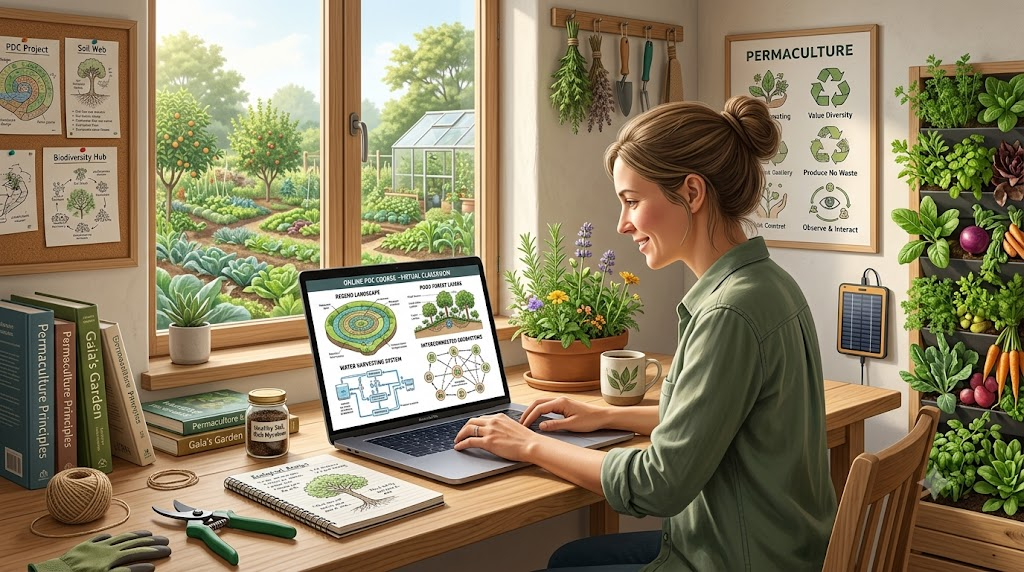
An online PDC course provides a flexible way to study permaculture design principles, ecological thinking, and sustainable living practices from anywhere in the world. A Permaculture Design Certificate (PDC) program helps learners understand how to create regenerative systems by combining environmental knowledge, design methods, and practical solutions for communities, landscapes, and everyday life.
As interest in sustainability grows, many students, professionals, farmers, educators, and community leaders are choosing online permaculture education to develop skills that support ecological restoration and resilient living.
What Is an Online PDC Course?
An online PDC course is a digital learning program that teaches the foundations of permaculture design. PDC stands for Permaculture Design Certificate, a widely recognized educational pathway for people who want structured training in permaculture concepts.
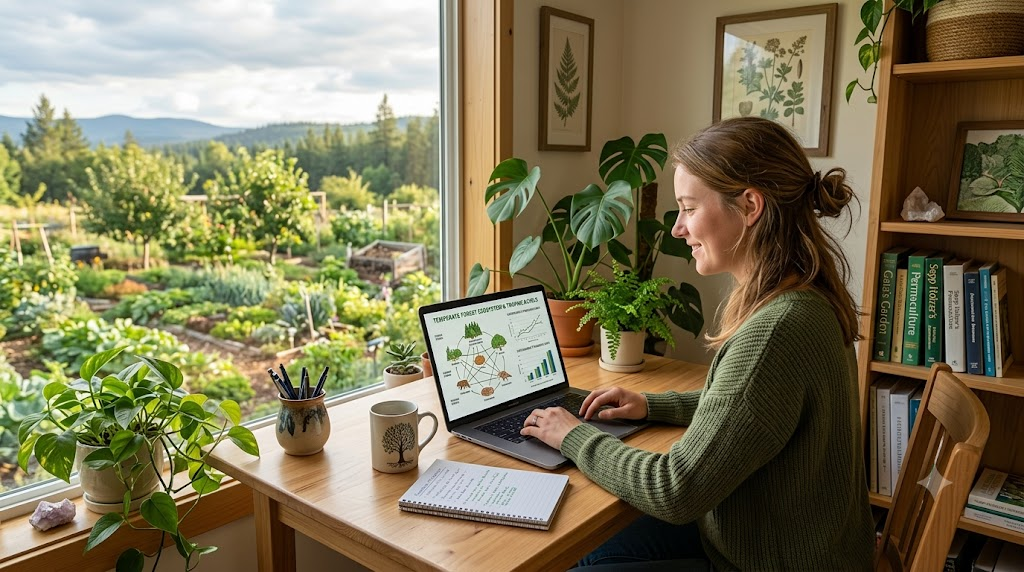
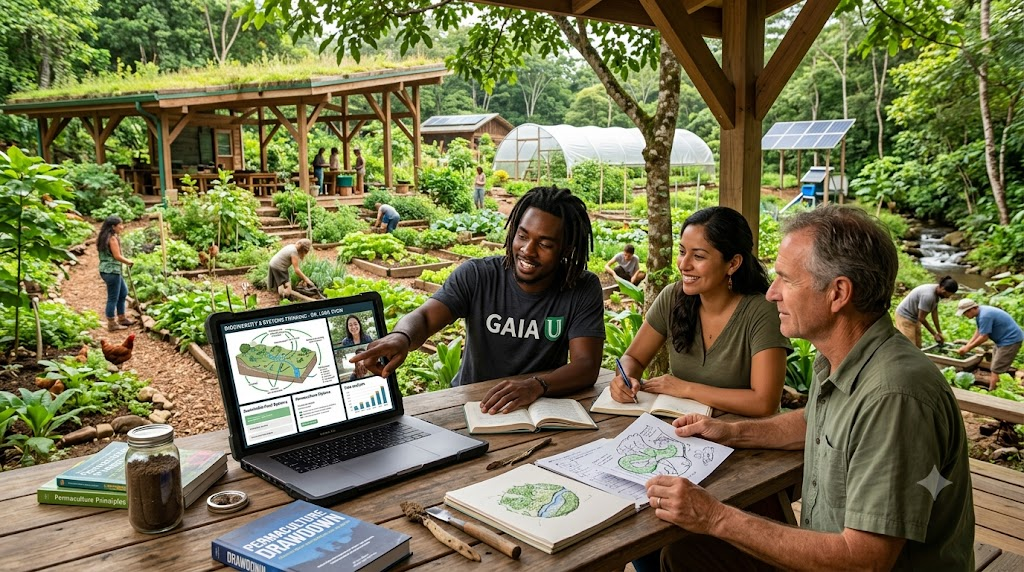
Unlike traditional classroom-based programs, online PDC courses allow students to learn through digital lessons, discussions, assignments, and design projects. This makes permaculture education more accessible for people who cannot attend in-person courses due to location, work schedules, or personal commitments.
A complete PDC course generally introduces students to:
- Permaculture ethics and principles
- Ecological systems and natural patterns
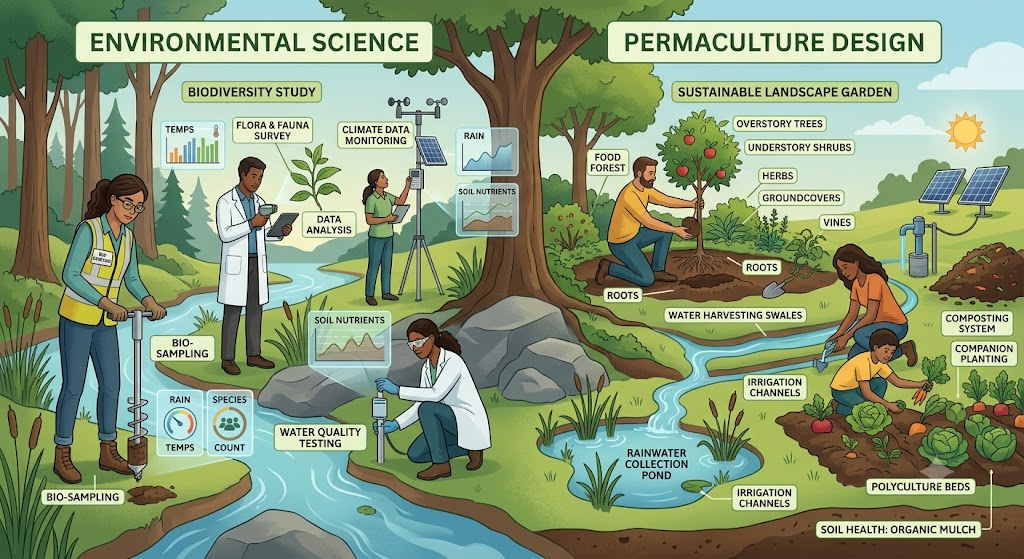
- Sustainable land and water management
- Food production systems
- Community resilience
- Regenerative design approaches
- Practical design processes
The goal is not only to learn information but also to develop the ability to observe, analyze, and design systems that work with nature rather than against it.
Why Choose an Online Permaculture Design Certificate?
Choosing an online PDC course can provide several advantages for modern learners. Digital education allows students to connect with permaculture ideas while maintaining flexibility in their personal and professional lives.
Flexible Learning From Anywhere
One of the biggest benefits of online study is location independence. Students can participate from different countries and environments while learning from experienced educators and interacting with a global learning community.
This flexibility is especially valuable for people who:
- Have full-time jobs
- Live far from training centers
- Manage family responsibilities
- Prefer self-paced learning
- Want to combine study with practical projects
Access to Global Perspectives
Permaculture is influenced by diverse climates, cultures, ecosystems, and communities. Online learning environments can bring together students from many regions, creating opportunities to exchange ideas and understand how different places approach sustainability.
Develop Practical Design Skills
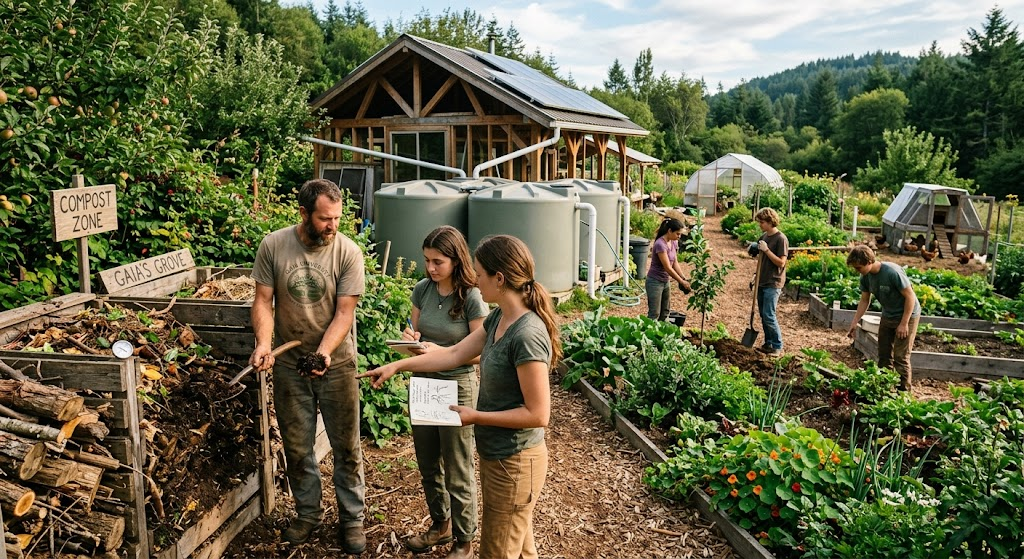
A quality online PDC course focuses on applying knowledge, not only studying theory. Students often work through observation exercises, design challenges, and real-world examples to understand how permaculture methods can be implemented.
What You Learn in an Online PDC Course
A Permaculture Design Certificate program usually covers a broad range of topics related to ecological design and sustainable systems.
Permaculture Ethics
Permaculture education begins with three core ethical ideas:
- Care for the Earth
- Care for people
- Fair sharing of resources
These ethics guide decision-making and help learners evaluate whether a design supports long-term ecological and social wellbeing.
Permaculture Principles
Students explore principles that encourage observation, efficiency, diversity, and responsible resource use. These principles help learners understand natural systems and apply similar patterns when designing human environments.
Ecological Observation
A key part of permaculture is learning how to observe before designing. Students learn to study:
- Climate conditions
- Water movement
- Soil characteristics
- Existing plants and wildlife
- Human needs and behaviors
Good design begins with understanding the relationships within a system.
Sustainable Food Systems
Many PDC courses explore methods for creating productive and resilient food systems. Topics may include garden design, agroecology concepts, perennial plants, and approaches that support biodiversity.
Water and Resource Management
Water conservation and responsible resource use are important parts of regenerative design. Students learn approaches for managing resources efficiently and designing systems that reduce waste.
Community and Social Design
Permaculture extends beyond gardens and landscapes. Many courses also explore how design principles can support communities, education, cooperation, and social resilience.
Key Principles Behind Permaculture Education
Permaculture education focuses on understanding connections. Instead of treating environmental challenges as isolated problems, permaculture looks at relationships between soil, water, plants, animals, people, and infrastructure.
A permaculture designer learns to ask questions such as:
- How can existing resources be used more effectively?
- How can waste become a resource?
- How can systems support multiple benefits?
- How can designs adapt to changing conditions?
This systems-thinking approach is one of the most valuable skills developed through a PDC course.
Who Should Take an Online PDC Course?
An online PDC course can be suitable for many different learners who want to understand sustainable design.
Sustainability Enthusiasts
People interested in environmental solutions can use PDC education to build a stronger foundation in ecological thinking.
Gardeners and Growers
Individuals involved in gardening, farming, or food production can learn design methods that support healthier and more productive systems.
Educators and Community Leaders
Teachers, organizers, and community builders may use permaculture concepts to create educational programs and local initiatives.
Designers and Professionals
Architects, planners, environmental professionals, and entrepreneurs can apply regenerative design principles to their work.
Beginners Exploring Permaculture
A PDC course does not always require previous experience. Many programs are designed to introduce beginners to the fundamentals while providing deeper learning for experienced practitioners.
How to Choose the Right Online PDC Course
Selecting the right online PDC course requires careful consideration. Students should evaluate several factors before enrolling.
Course Curriculum
Review whether the program covers essential permaculture topics, including ethics, principles, ecological systems, design methods, and practical applications.
Learning Approach
Different programs use different teaching methods. Consider whether you prefer:
- Self-paced lessons
- Live online sessions
- Group discussions
- Project-based learning
- Instructor feedback
Instructor Experience
Look for programs led by educators with strong knowledge of permaculture practice and teaching experience.
Community Opportunities
Learning with other students can improve the educational experience. Interaction, discussion, and collaboration can help learners understand different perspectives.
Practical Skills You Can Gain From Online Study
An online PDC course can help students develop skills that apply beyond the classroom.
Common outcomes include:
- Understanding ecological relationships
- Creating basic permaculture designs
- Evaluating landscapes and resources
- Thinking strategically about sustainability challenges
- Developing regenerative solutions
- Communicating sustainability concepts
These skills can support personal projects, community work, education, and professional development.
The Role of Design Thinking in Permaculture
Design thinking is central to permaculture because it focuses on creating solutions based on observation and understanding.
A typical design process includes:
- Observing the existing system
- Identifying needs and opportunities
- Developing possible solutions
- Testing and improving designs
- Creating systems that adapt over time
Permaculture design is not about applying one universal solution everywhere. Instead, it encourages creating responses that fit specific environments and communities.
Learning Permaculture Through Digital Education
Online education has expanded access to sustainability learning. Students can now connect with instructors, resources, and communities without needing to travel.
A successful online learning experience often combines:
- Structured lessons
- Independent study
- Practical activities
- Reflection exercises
- Community interaction
While online courses provide knowledge and guidance, learners gain the most value when they apply concepts through observation and real-world practice.
Frequently Asked Questions
What is an online PDC course?
An online PDC course is a digital Permaculture Design Certificate program that teaches permaculture ethics, principles, and design methods through online learning.
Is an online PDC course suitable for beginners?
Yes, many online PDC programs are designed for beginners and introduce fundamental concepts before moving into more advanced design approaches.
How long does an online PDC course take?
Course duration varies depending on the program structure, teaching format, and learning schedule. Students should review individual course details before enrolling.
What can I do after completing a PDC course?
After completing a PDC course, learners can apply permaculture principles to personal projects, gardens, communities, education, and professional activities.
Does an online PDC course include practical learning?
Many programs include practical assignments, design exercises, and projects that help students apply theoretical knowledge.
Why study permaculture online instead of in person?
Online study offers flexibility, global connections, and access to education for students who cannot attend physical courses.
Is a PDC certificate useful for sustainability careers?
A PDC certificate can demonstrate knowledge of permaculture principles and may support people interested in sustainability-related projects or professional pathways.
Conclusion
An online PDC course offers an accessible way to explore permaculture design, sustainability, and regenerative thinking. By studying ecological principles, resource management, and design methods, learners can develop skills to create positive change in their homes, communities, and professional fields.
For people seeking a flexible and meaningful approach to sustainability education, online permaculture learning can provide valuable knowledge, practical tools, and connections with a wider global community.
Students interested in exploring online permaculture education can learn more about programs offered by Gaia University.
Responses