
PDC Certificate: Complete Guide to Permaculture Design Certification

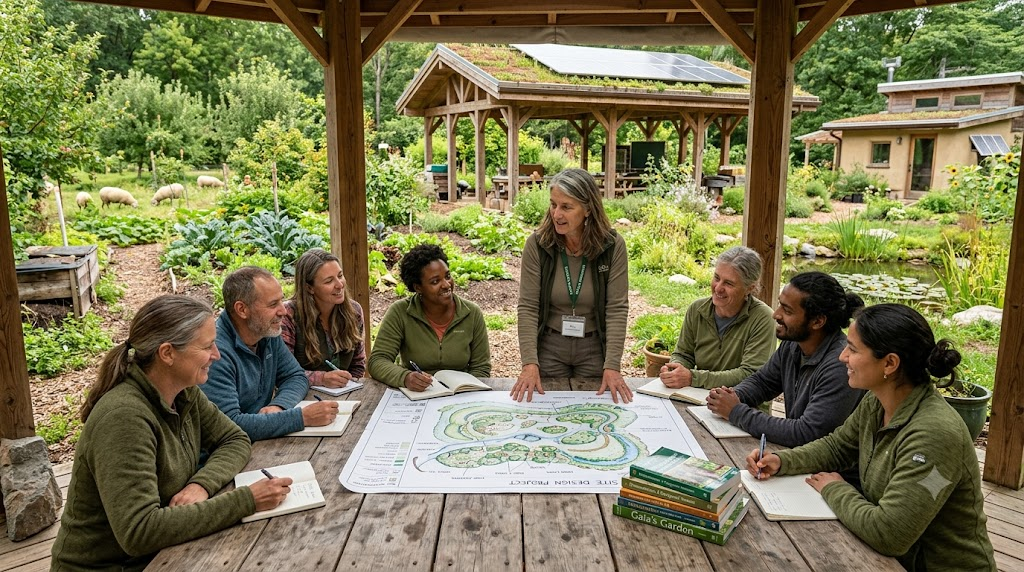
A PDC certificate (Permaculture Design Certificate) is an educational credential earned after completing a Permaculture Design Course. It demonstrates that a learner has studied the core principles, ethics, and design methods used in permaculture. A PDC certificate helps students understand how to create sustainable systems for food production, communities, landscapes, and ecological restoration.
For people interested in regenerative living, environmental design, sustainable agriculture, or community development, a PDC certificate can provide a structured foundation for applying permaculture principles in real-world projects.
What Is a PDC Certificate?
A PDC certificate confirms that a student has completed a Permaculture Design Course based on established permaculture education principles. The course typically introduces learners to ecological thinking, sustainable design strategies, and practical approaches for working with natural systems.
Unlike a traditional academic degree, a PDC certificate focuses on applied knowledge and design skills. Students learn how to observe landscapes, understand ecological relationships, and develop solutions that support both people and the environment.
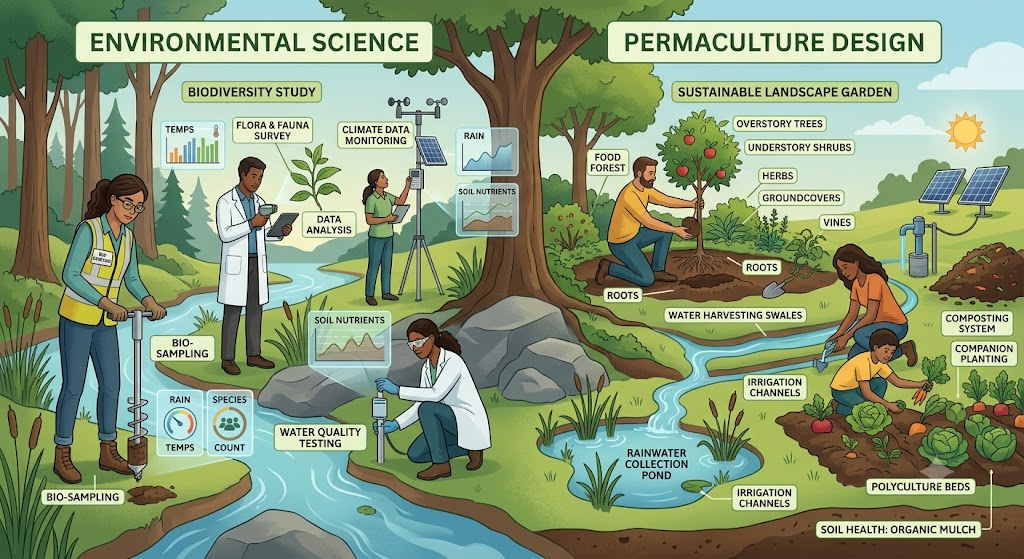
A PDC program commonly covers:
- Permaculture ethics and principles
- Ecological observation and analysis
- Sustainable food systems
- Water management
- Soil health
- Natural building concepts
- Renewable energy considerations
- Social systems and community design
- Permaculture design processes
The goal is not only to learn information but also to develop the ability to design systems that are sustainable, resilient, and adapted to local conditions.
Why Earn a Permaculture Design Certificate?
A PDC certificate can be valuable for individuals who want a deeper understanding of sustainability and ecological design. It provides a framework for moving beyond individual environmental actions and toward designing complete systems.
Build Practical Design Skills
Permaculture is based on observation, planning, and thoughtful design. A PDC course teaches learners how to analyze problems and create solutions by working with natural patterns rather than against them.
Students often develop skills related to:
- Landscape planning
- Regenerative agriculture
- Resource management
- Community collaboration
- Sustainable decision-making
These skills can be applied in gardens, farms, homes, organizations, and community projects.
Understand Sustainable Living Systems
Many people begin exploring permaculture because they want to live more sustainably. A PDC certificate provides a broader understanding of how different systems connect.
For example, food production is connected with water management, soil health, biodiversity, energy use, and social structures. Permaculture education encourages learners to consider these relationships when making decisions.
Join a Global Learning Community
Permaculture is practiced by people around the world in different climates, cultures, and communities. Completing a PDC course can help students connect with others who share an interest in ecological restoration and regenerative design.
These connections may lead to collaboration, knowledge exchange, and participation in local sustainability initiatives.
What Do You Learn During a PDC Course?
A complete PDC curriculum generally introduces students to the foundations of permaculture design. While course structures vary, many programs explore similar themes.
Permaculture Ethics and Principles
Students usually begin by learning the three core ethics of permaculture:
- Care for the Earth
- Care for people
- Fair sharing of resources
These ethics provide a foundation for making responsible design choices.
Students also explore permaculture principles that encourage observation, efficiency, diversity, and cooperation with natural systems.
Site Observation and Analysis
One of the most important skills in permaculture design is learning how to understand a place before making changes.
Students may study:
- Climate patterns
- Land features
- Water movement
- Existing plants and wildlife
- Human needs and activities
Good design begins with careful observation.
Sustainable Food Systems
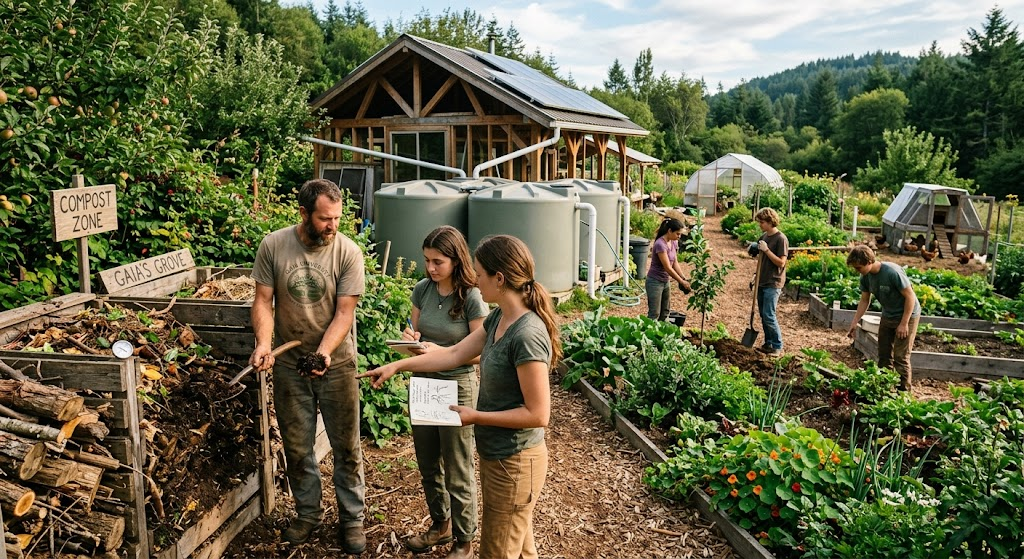
Food production is a major part of many permaculture projects. A PDC course may introduce concepts such as:
- Food forests
- Companion planting
- Soil improvement
- Organic growing methods
- Integrated ecosystems
The focus is usually on creating productive systems that support biodiversity and long-term health.
Water, Energy, and Resource Management
Permaculture design considers how resources move through a system. Students may explore strategies for:
- Reducing waste
- Conserving water
- Improving energy efficiency
- Creating closed-loop systems
These concepts help learners think about sustainability at a larger systems level.
Permaculture Design Projects
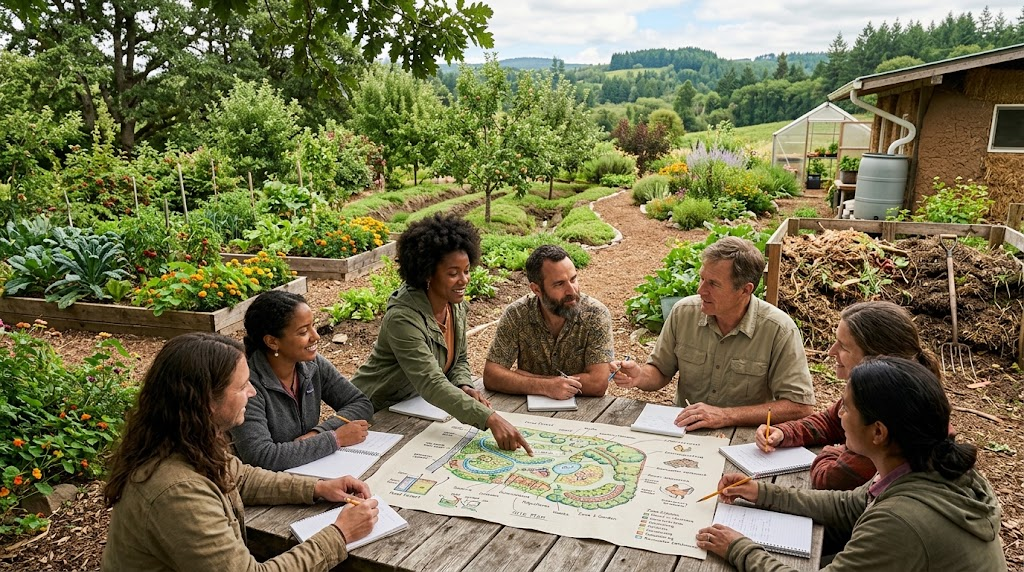
Many PDC courses include a final design project. Students apply what they have learned by creating a practical design based on a real or theoretical site.
A design project may include:
- Site assessment
- Design goals
- Maps and drawings
- Planting strategies
- Resource planning
- Implementation recommendations
This practical experience helps transform theory into usable skills.
Who Should Get a PDC Certificate?
A PDC certificate can benefit a wide range of learners, including:
Beginners Interested in Sustainability
People who want to understand sustainable living can use a PDC course as an introduction to ecological design. No previous professional experience is usually required.
Gardeners and Farmers
Those working with plants and land can use permaculture principles to improve growing systems, biodiversity, and resource management.
Environmental Professionals
People working in sustainability, conservation, education, or community development may find permaculture education useful for expanding their design approach.
Community Leaders and Educators
A PDC certificate can support people who want to teach, organize, or develop sustainability projects within communities.
Career Changers
Some learners pursue permaculture education because they want to move toward environmentally focused work or develop skills for regenerative projects.
How to Choose the Right PDC Program
Choosing a PDC program requires looking beyond the certificate itself. The learning experience, teaching approach, and course philosophy are important factors.
Consider these questions:
Does the Curriculum Match Your Goals?
Review the topics covered and determine whether the program focuses on the areas you want to explore, such as ecological design, community systems, agriculture, or social change.
What Is the Learning Format?
PDC courses may be offered online, in person, or through blended formats. Consider your schedule, preferred learning style, and ability to participate in practical activities.
Who Are the Educators?
Look for programs with experienced instructors who can explain concepts clearly and connect theory with practical applications.
Does the Program Encourage Real-World Application?
Strong permaculture education often includes exercises, discussions, design work, and opportunities to apply ideas beyond the classroom.
For learners exploring alternative and regenerative education approaches, Gaia University provides information about its educational programs through its official website: https://gaiauniversity.org/
Online vs In-Person PDC Courses
Both online and in-person PDC courses can provide valuable learning experiences.
Online PDC Courses
Advantages may include:
- Flexible schedules
- Access from different locations
- Ability to learn at your own pace
- Opportunities to connect with international students
Online learning can be useful for people balancing education with work or family responsibilities.
In-Person PDC Courses
Advantages may include:
- Hands-on experiences
- Direct interaction with instructors
- Practical site observation
- Local community connections
The best option depends on individual learning preferences and goals.
What Can You Do After Completing a PDC Certificate?
A PDC certificate is often the beginning of a longer learning journey rather than the final step.
After completing a PDC, learners may choose to:
- Apply permaculture principles at home
- Develop community projects
- Support regenerative agriculture initiatives
- Continue advanced sustainability education
- Work with ecological design concepts professionally
- Share permaculture knowledge through teaching or collaboration
The value of a PDC certificate comes from applying the knowledge in meaningful ways.
Frequently Asked Questions About PDC Certificates
What does PDC stand for?
PDC stands for Permaculture Design Course. It is an educational program that teaches the foundations of permaculture principles, ethics, and design methods.
Is a PDC certificate the same as a degree?
No. A PDC certificate is a professional or educational credential showing completion of a permaculture course. It is different from an academic degree.
Do I need previous experience to earn a PDC certificate?
Most introductory PDC programs are designed for beginners as well as experienced learners. A willingness to learn and participate is usually the most important requirement.
How long does it take to complete a PDC course?
Course length varies depending on the provider and format. Many programs are designed around the internationally recognized structure of approximately 72 hours of learning, although delivery methods differ.
Can a PDC certificate help with a sustainability career?
A PDC certificate can support sustainability knowledge and practical design skills. Career outcomes depend on a person’s experience, additional education, and how they apply their skills.
Is an online PDC certificate valuable?
An online PDC certificate can be valuable when the course provides comprehensive curriculum, meaningful interaction, and opportunities to apply learning through projects.
What should I look for in a quality PDC program?
Look for a clear curriculum, experienced educators, practical learning opportunities, and a program approach that matches your personal goals.
Conclusion
A PDC certificate provides a foundation for understanding and applying permaculture design principles. It helps learners explore ecological systems, sustainable practices, and regenerative approaches to solving environmental and social challenges.
Whether you are interested in sustainable living, community projects, land design, or personal growth, a Permaculture Design Certificate can be a valuable step toward developing practical knowledge and a deeper connection with ecological systems.
For those seeking a structured permaculture learning pathway, exploring established educational providers and their course approaches can help you choose a program that fits your goals.


Responses