
PBL in Higher Education: A Guide for Permaculture Diploma Seekers

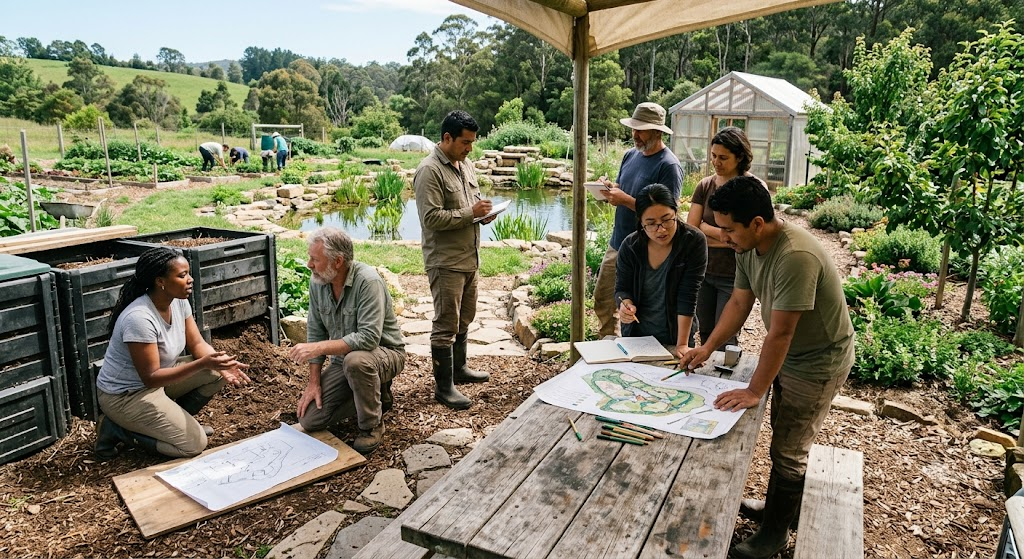
Project-based learning (PBL) in higher education is an educational approach where students gain knowledge and skills by working on meaningful projects connected to real-world challenges. For permaculture diploma seekers, PBL creates opportunities to apply ecological principles, design systems, collaborate with communities, and develop practical solutions beyond traditional classroom learning.
Permaculture education often focuses on understanding relationships between people, land, ecosystems, and resources. Because of this, project-based learning is a natural fit. Instead of only studying concepts, students explore how ideas can be applied in gardens, communities, organizations, and regenerative design projects.
Understanding PBL in Higher Education
PBL in higher education moves learning from passive information gathering toward active participation. Students are not only expected to remember information; they are encouraged to investigate questions, develop solutions, reflect on outcomes, and improve their understanding through experience.
Traditional education often separates theory from practice. A student may study environmental systems, social structures, or design principles before applying them later. PBL combines these stages by allowing learners to work with real situations while developing their knowledge.
In a project-based learning environment, students usually:
- Identify a meaningful challenge or opportunity
- Research relevant information
- Apply concepts and skills
- Create a project outcome or solution
- Evaluate their process and results
- Share knowledge with others
For higher education students, this approach develops independence, critical thinking, creativity, and problem-solving abilities.
Why PBL Matters for Permaculture Education
Permaculture is a practical design philosophy that requires observation, experimentation, and adaptation. Ecosystems are complex, and effective solutions depend on understanding local conditions rather than applying one universal formula.
This makes PBL especially valuable for permaculture diploma seekers. Students can explore real projects such as:
- Designing resilient food systems
- Developing community sustainability initiatives
- Creating ecological restoration plans
- Improving resource management practices
- Building educational projects that share permaculture knowledge
Through these experiences, learners develop a deeper understanding of how permaculture principles operate in real environments.
A student studying water systems, for example, may not only learn about water conservation theories. Through PBL, they may analyze a landscape, identify challenges, research possible approaches, create a design proposal, and evaluate the potential impact.
This connection between knowledge and action helps students become capable practitioners rather than only theoretical learners.
Key Elements of Project-Based Learning
Although PBL can take many forms, effective project-based learning usually includes several important elements.
Real-World Problems
Strong projects address meaningful questions or challenges. In permaculture education, these may involve ecological, social, or community-based issues.
Projects become more engaging when students understand why their work matters and how it connects to wider systems.
Student-Led Investigation
PBL encourages learners to take responsibility for their educational journey. Instead of receiving all answers from an instructor, students research, ask questions, test ideas, and make decisions.
This supports lifelong learning, which is essential in fields like permaculture where environments and challenges continuously change.
Collaboration and Knowledge Sharing
Many sustainability challenges require cooperation. PBL allows students to work with peers, mentors, communities, and other stakeholders.
Collaboration helps learners develop communication skills and understand different perspectives.
Reflection and Adaptation
Reflection is a key part of effective PBL. Students consider what worked, what did not, and how they can improve.
This mirrors natural systems, where observation and adaptation are central principles.
How Permaculture Diploma Students Use PBL
For permaculture diploma seekers, PBL provides a pathway to connect learning with personal interests and professional goals.
A student interested in sustainable agriculture may create a project exploring regenerative growing methods. Another student focused on community development may design a social initiative that supports local resilience.
Examples of PBL activities in permaculture education include:
Ecological Design Projects
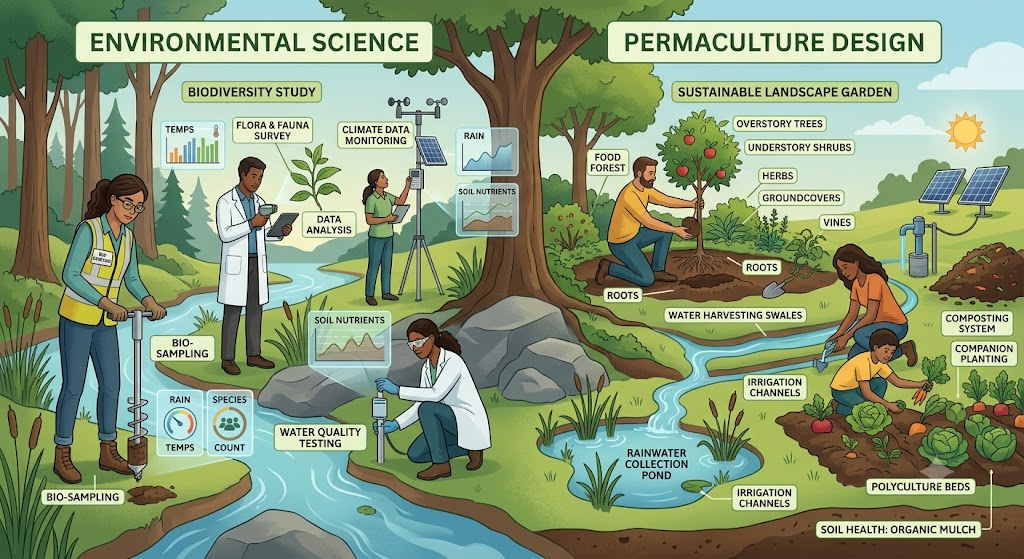
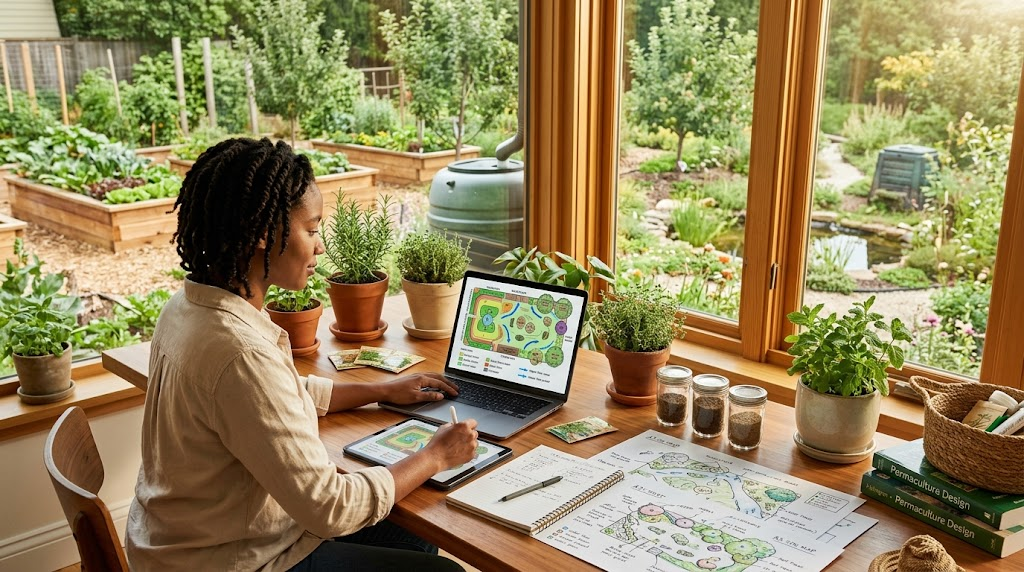
Students may develop designs that consider land use, biodiversity, water management, energy systems, and human needs.
These projects encourage learners to see landscapes as interconnected systems.
Community-Based Learning
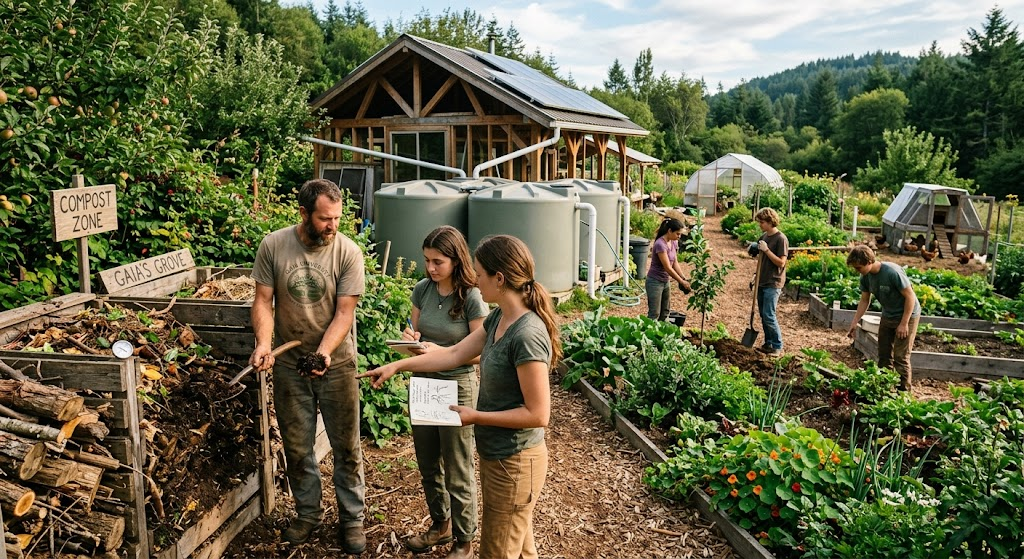
Permaculture is often connected to communities. Students can explore how ecological principles support social wellbeing, education, and local cooperation.
Research and Documentation
Students may document observations, compare approaches, and share their findings. This builds research skills while contributing to collective knowledge.
Personal Learning Projects
PBL can also support individual exploration. Students can investigate topics that align with their interests while meeting educational objectives.
Benefits of PBL for Higher Education Learners
Project-based learning offers several benefits for students pursuing practical and interdisciplinary fields.
1. Develops Practical Skills
Permaculture requires more than understanding concepts. Students need to know how to observe systems, design solutions, communicate ideas, and implement projects.
PBL helps bridge the gap between learning and application.
2. Encourages Systems Thinking
Ecological challenges are rarely simple. PBL encourages students to consider relationships between environmental, social, and economic factors.
Systems thinking is a valuable skill for anyone working in sustainability.
3. Builds Confidence and Independence
Completing meaningful projects helps students trust their ability to solve problems and continue learning independently.
4. Creates Portfolio Opportunities
Project outcomes can demonstrate a student’s skills, interests, and experience. This can be valuable for future educational, professional, or community opportunities.
5. Supports Transformational Learning
Many students choose permaculture because they want to contribute to positive change. PBL creates opportunities for personal growth alongside academic development.
Challenges of PBL and How Students Can Overcome Them
While PBL offers many advantages, students should also understand potential challenges.
Managing Open-Ended Projects
Unlike traditional assignments with clear instructions, projects may involve uncertainty. Students must learn how to define goals, manage time, and make decisions.
Creating a clear project plan and regularly reviewing progress can help.
Balancing Research and Action
Students may sometimes focus too much on planning or move into action without enough investigation.
Successful PBL requires a balance between learning, experimenting, and reflecting.
Working Through Complexity
Permaculture projects often involve many interconnected factors. Students may encounter unexpected results.
Learning to adapt is part of the process. In ecological design, flexibility is often a strength.
The Future of PBL in Ecological Higher Education
As higher education continues to explore more practical and learner-centered approaches, PBL is becoming increasingly relevant.
Fields such as sustainability, regenerative design, environmental studies, and community development require graduates who can think creatively and respond to complex situations.
Permaculture education represents one example of how PBL can support meaningful learning. By connecting knowledge with practice, students develop the ability to observe systems, design solutions, and contribute to positive change.
Institutions focused on ecological learning, including Gaia University, use approaches that emphasize active participation, self-directed learning, and practical application.
For students seeking a permaculture diploma, understanding PBL can help them choose an educational pathway that aligns with their goals of creating sustainable solutions.
FAQs About PBL in Higher Education
What does PBL mean in higher education?
PBL usually means project-based learning, an approach where students learn through completing meaningful projects connected to real-world challenges.
Why is PBL important for permaculture students?
PBL helps permaculture students connect ecological theories with practical applications, allowing them to develop design, research, collaboration, and problem-solving skills.
Is project-based learning the same as traditional classroom learning?
No. Traditional learning often focuses on receiving and applying information, while PBL emphasizes investigation, creation, reflection, and practical outcomes.
Can PBL help students build professional skills?
Yes. PBL can help students develop communication, teamwork, project management, research, and decision-making abilities.
Do permaculture diploma programs use project-based learning?
Many permaculture-focused educational approaches include practical projects because applying ecological principles is an important part of learning.
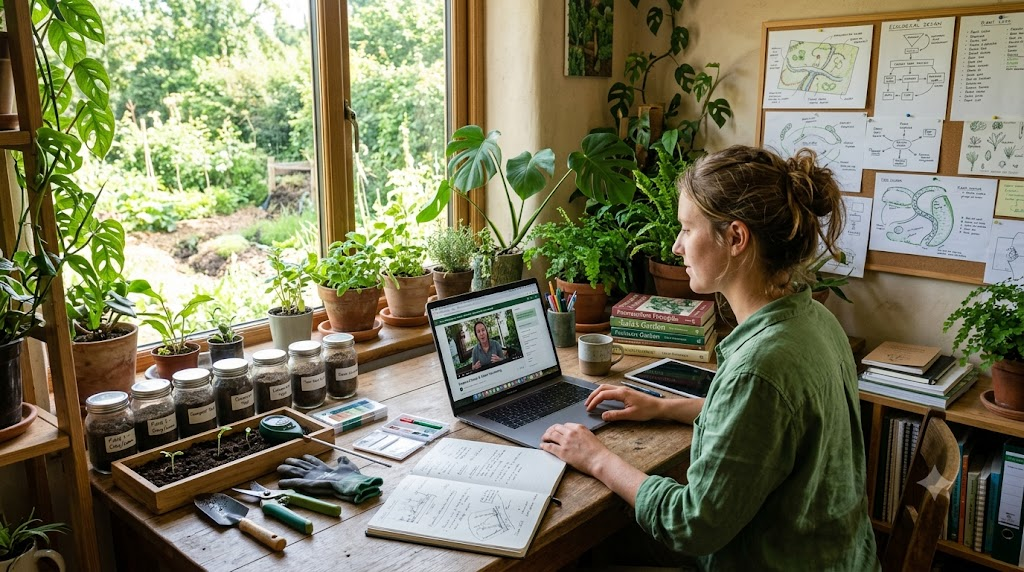
Is PBL suitable for online higher education?
Yes. With proper guidance and communication tools, students can complete research, design, collaboration, and reflection projects in online learning environments.
Conclusion
PBL in higher education provides a powerful approach for permaculture diploma seekers who want to move beyond theory and develop practical skills. By learning through real projects, students can explore ecological systems, create meaningful designs, collaborate with others, and prepare for real-world challenges.
For learners interested in sustainability and regenerative practices, project-based learning offers a pathway toward deeper understanding and purposeful action.
Responses