
What is a Regenerative Farm: A Comprehensive Guide for Permaculture Enthusiasts

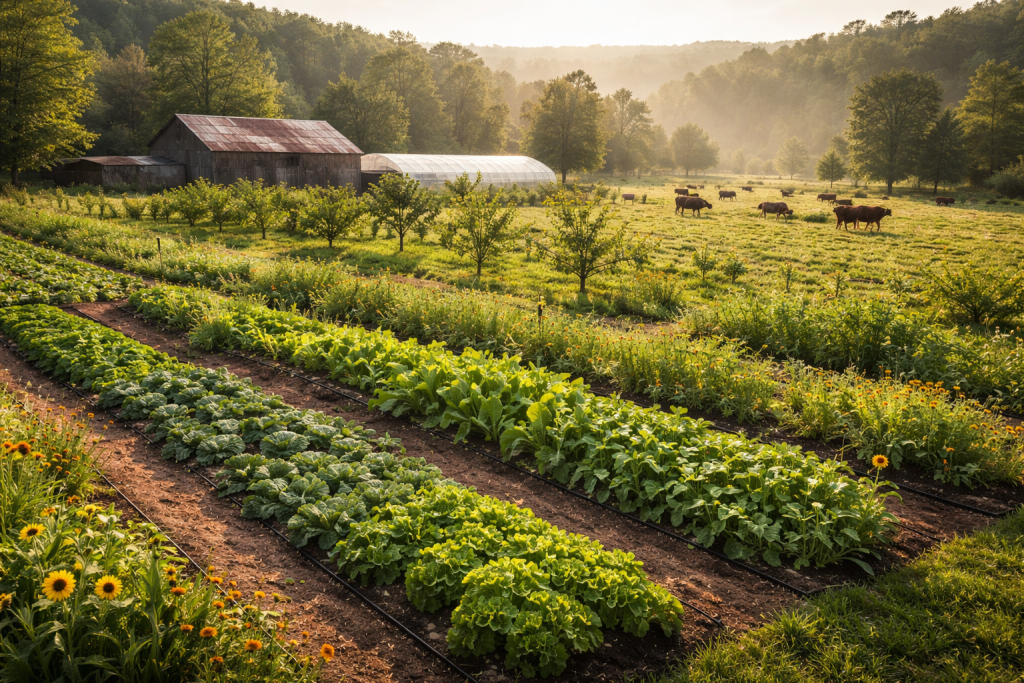
Regenerative farming has become a buzzword in sustainable agriculture, but what does it really mean? For permaculture diploma seekers, understanding what is a regenerative farm goes beyond terminology—it’s about embracing an ecological approach that restores the land, nurtures biodiversity, and supports long-term farm productivity. In this guide, we’ll explore the principles, techniques, and benefits of regenerative farming, providing a comprehensive roadmap for aspiring permaculture practitioners.
Introduction to Regenerative Farming
At its core, a regenerative farm is a system designed to improve the health of soil, water, plants, and animals rather than simply maintaining current production levels. Unlike conventional farming, which often relies heavily on chemical inputs and monocultures, regenerative agriculture prioritizes ecological balance, resilient ecosystems, and long-term sustainability.
Key differences include:
- Soil-Centric Approach: Regenerative farms focus on enriching soil life, increasing organic matter, and capturing carbon.
- Biodiversity: These farms integrate multiple species of plants and animals to create natural pest control and nutrient cycles.
- Holistic Management: Livestock and crops are managed together to mimic natural ecosystems.
- Reduced External Inputs: Fertilizers, pesticides, and herbicides are minimized or replaced with natural alternatives.
The importance of regenerative farming is growing as climate change, soil degradation, and water scarcity threaten global food security. By restoring ecosystems, regenerative farms not only produce food but also contribute to carbon sequestration, clean water, and resilient landscapes.
Core Principles of Regenerative Agriculture
Regenerative farming operates on several foundational principles:
- Holistic Soil Management: Healthy soil is the backbone of productivity. Techniques like composting, cover cropping, and minimal tillage enhance soil structure and fertility.
- Biodiversity Enhancement: Planting polycultures, hedgerows, and wildflower strips supports pollinators and beneficial insects.
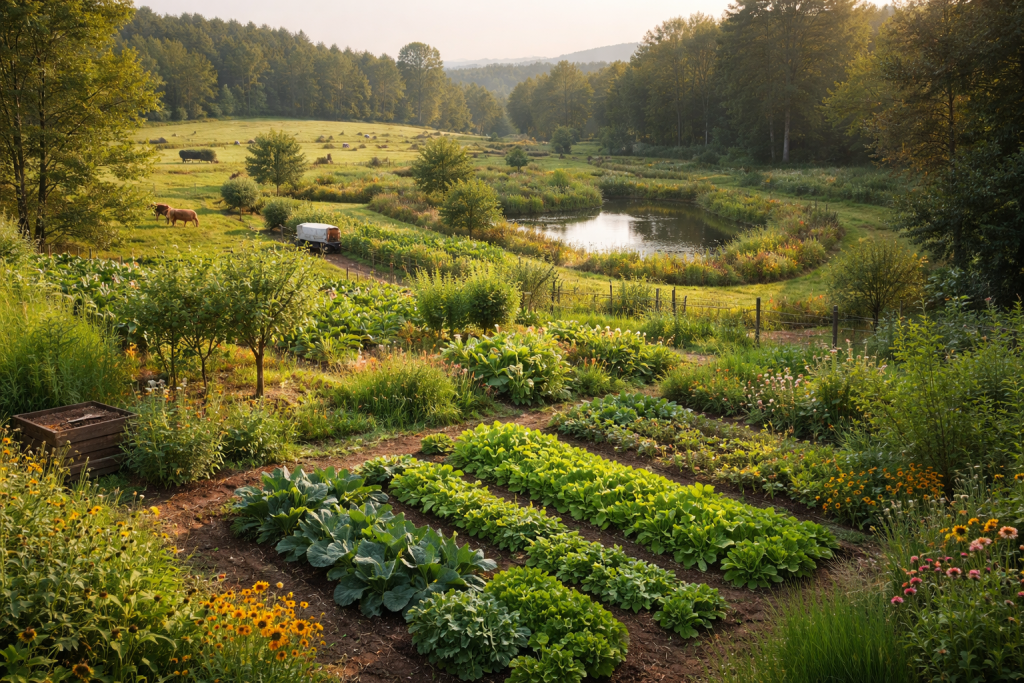
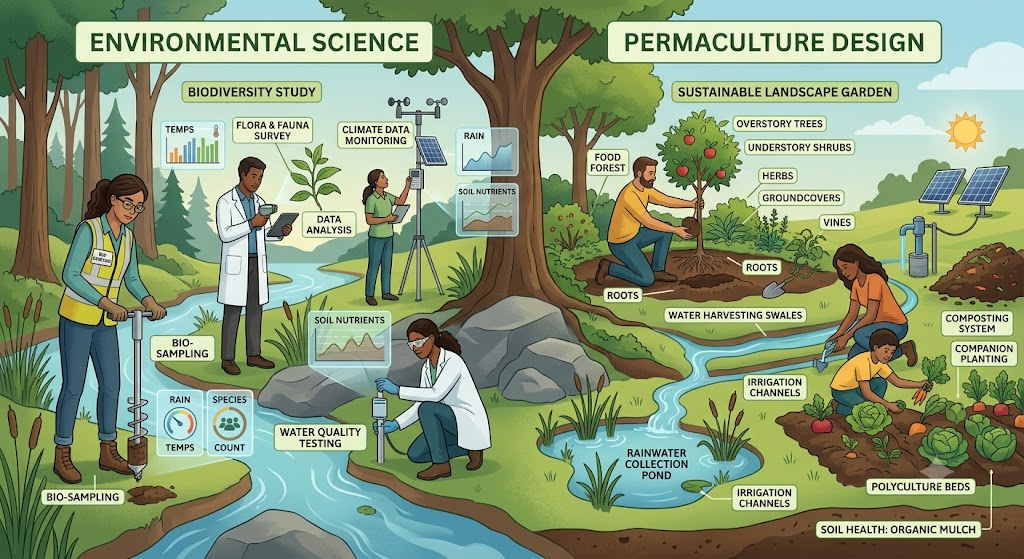
- Water Cycle Restoration: Swales, ponds, and rainwater harvesting help retain moisture and prevent erosion.
- Integration of Livestock: Rotational grazing mimics natural herd movements, stimulating plant growth and improving soil fertility.
- Minimal External Inputs: Natural fertilizers and biological pest control reduce dependency on synthetic chemicals.
History and Evolution of Regenerative Farming
The roots of regenerative farming trace back to early sustainable practices in indigenous cultures, European biodynamic methods, and pioneering farmers in the 20th century. Key milestones include:
- 1970s–1980s: Holistic Management by Allan Savory introduced livestock-driven ecosystem restoration.
- 1990s–2000s: Carbon farming and permaculture principles gained traction.
- Today: Global adoption is accelerating, with farms in North America, Europe, and Australia showcasing measurable environmental benefits.
This evolution demonstrates that regenerative farming is both traditional in principle and modern in application, blending ancient knowledge with scientific innovation.
Soil Health: The Heart of Regenerative Farming
Soil is more than dirt—it’s a living ecosystem. Regenerative farmers focus on building soil organic matter, which:
- Increases water retention
- Reduces erosion
- Supports beneficial microorganisms
- Captures carbon from the atmosphere
Common techniques include:
- Cover Cropping: Planting crops like clover or vetch to protect and enrich soil.
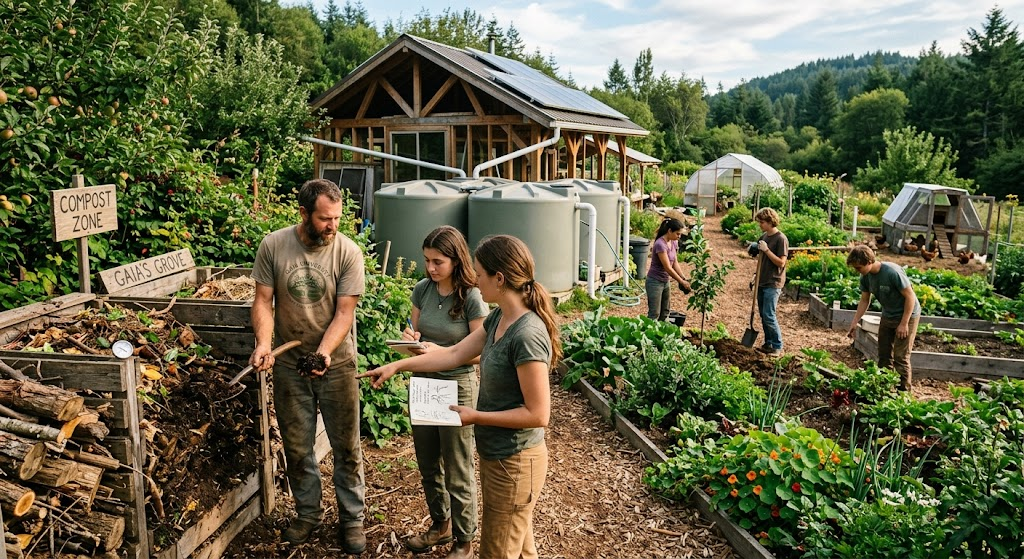
- Composting: Recycling organic waste to boost soil fertility.
- No-Till Farming: Minimizing soil disturbance preserves microbial networks and structure.
Healthy soil directly translates to resilient crops and sustainable yields, making it a critical focus for any regenerative farm.
Water Management in Regenerative Farms
Water is a precious resource, and regenerative farms employ strategies to maximize efficiency:
- Rainwater Harvesting: Collecting and storing rainwater for irrigation reduces dependence on external sources.
- Swales and Contour Farming: Channels built along the land’s natural contours slow water runoff and promote infiltration.
- Reducing Erosion: Mulching and ground cover protect the soil surface, preventing nutrient loss.
Efficient water management ensures that farms remain productive even during droughts, aligning with permaculture principles of observe, interact, and design for resilience.
Biodiversity and Ecosystem Integration
Biodiversity is a cornerstone of regenerative farming. Diverse systems mimic natural ecosystems, offering:
- Polycultures: Multiple crops grown together reduce pests and improve soil nutrients.
- Companion Planting: Certain plant pairings, like legumes with grains, enhance growth and repel pests.
- Agroforestry: Trees provide shade, improve soil structure, and increase habitat for wildlife.
Integrating biodiversity not only strengthens ecological health but also creates self-sustaining farm systems, reducing labor and chemical input needs.
Livestock in Regenerative Farming
Livestock plays a strategic role in regenerative farms. Key practices include:
- Rotational Grazing: Moving animals between paddocks prevents overgrazing and stimulates plant regrowth.
- Holistic Planned Grazing: Grazing patterns mimic natural herd behaviors, enhancing soil fertility.
- Ethical Management: Animals are raised in conditions that prioritize welfare, contributing to ecosystem health.
When managed correctly, livestock become agents of soil regeneration, reducing reliance on synthetic fertilizers.
Crop Planning and Polyculture
Regenerative farms prioritize diverse cropping systems:
- Companion Planting: Boosts yields and suppresses pests naturally.
- Seasonal Rotation: Rotating crops reduces disease and maintains soil nutrients.
- Mixed Cropping: Combining cereals, legumes, and vegetables promotes resilience.
These strategies create healthy, productive, and low-input systems that align with permaculture ethics.
Carbon Sequestration and Climate Benefits
One of the most significant contributions of regenerative farms is climate mitigation:
- Soil organic matter captures atmospheric carbon.
- Trees, hedgerows, and perennial crops store carbon long-term.
- Reduced chemical inputs lower greenhouse gas emissions.
By functioning as carbon sinks, regenerative farms play a vital role in addressing global climate change.
Economic Benefits of Regenerative Agriculture
Regenerative farming is not just ecologically sound—it’s economically viable:
- Lower Input Costs: Reduced fertilizers and pesticides save money.
- Diversified Income: Multiple crops and livestock streams spread financial risk.
- Premium Markets: Consumers increasingly pay for sustainable, regenerative produce.
For permaculture practitioners, this combination of profitability and sustainability makes regenerative farming a compelling choice.
Challenges in Transitioning to Regenerative Practices
Despite its benefits, transitioning to regenerative farming can be challenging:
- Knowledge and Training: Requires understanding complex ecological interactions.
- Initial Investment: Fencing, irrigation systems, and soil restoration may be costly.
- Market Adaptation: Local demand for regenerative products may be limited initially.
Awareness of these challenges allows aspiring farmers to plan strategically and adopt regenerative principles successfully.
Case Studies of Successful Regenerative Farms
Several farms demonstrate the transformative potential of regenerative practices:
- Polyface Farm, USA: Known for rotational grazing and diversified livestock systems.
- Kangaroo Valley Farm, Australia: Integrates agroforestry with organic crop production.
- Navdanya, India: Promotes seed diversity, soil regeneration, and farmer empowerment.
These examples illustrate practical applications of regenerative farming in diverse climates and regions.
Tools and Resources for Permaculture Practitioners
Aspiring permaculture practitioners can access various resources:
- Books: Permaculture: Principles & Pathways Beyond Sustainability by David Holmgren.
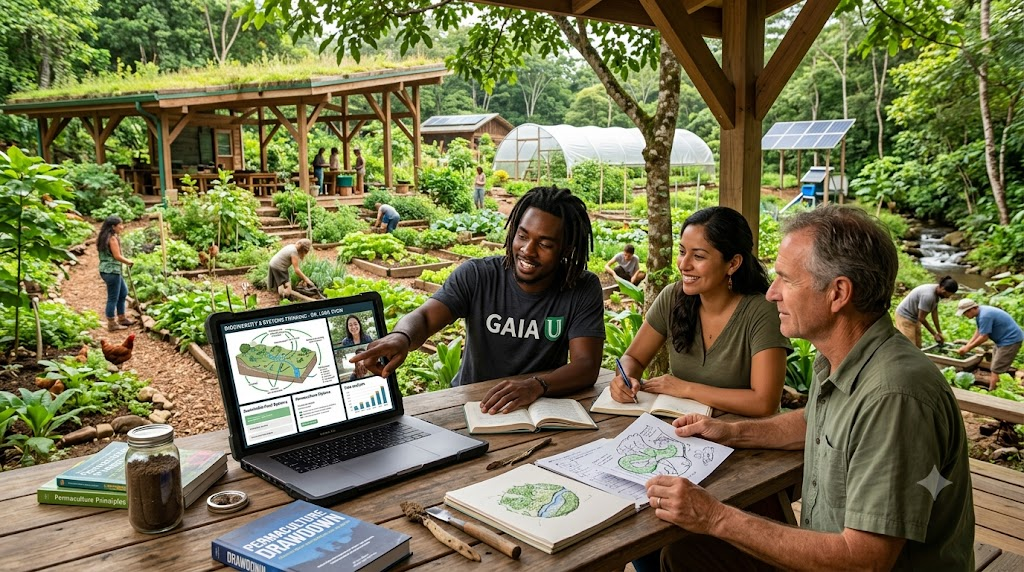
- Online Courses: Soil health, holistic management, and agroecology courses.
- Networks: Regenerative Agriculture Alliance, local permaculture guilds.
Leveraging these tools ensures continuous learning and successful farm implementation.
Future of Regenerative Farming
The future is bright for regenerative agriculture:
- Technological innovations such as drones and AI soil monitoring improve efficiency.
- Global awareness and climate policies support scaling regenerative practices.
- Young permaculture professionals are increasingly adopting regenerative methods.
Regenerative farming is positioned to become a cornerstone of global sustainable agriculture in the coming decades.
FAQs about Regenerative Farming
- What makes a farm regenerative?
A regenerative farm restores soil health, enhances biodiversity, and improves ecosystem services. - How does regenerative farming differ from organic farming?
Organic farming avoids synthetic chemicals, while regenerative farming focuses on restoring ecosystems and soil vitality. - Can regenerative farms be profitable?
Yes, through diversified crops, livestock, and premium markets for sustainably grown produce. - How long does it take to see soil improvements?
Visible improvements may take 1–3 years, depending on practices and soil conditions. - What are the main techniques used in regenerative agriculture?
Rotational grazing, cover cropping, composting, agroforestry, and polyculture planting. - Is regenerative farming suitable for all climates?
Yes, but strategies should be tailored to local ecosystems, soil types, and rainfall patterns.
Conclusion
Understanding what is a regenerative farm reveals a holistic approach to agriculture that balances productivity with ecological restoration. For permaculture diploma seekers, embracing regenerative principles is not just a career choice—it’s a commitment to healing the land, supporting biodiversity, and mitigating climate change. By integrating soil health, water management, biodiversity, and ethical livestock practices, regenerative farms can be both profitable and environmentally transformative.Whether you are an aspiring permaculture practitioner or a seasoned farmer, regenerative farming offers a roadmap to sustainable, resilient, and thriving agricultural systems.

Responses