
What Is Permaculture Farming? 15 Powerful Principles for Sustainable Living

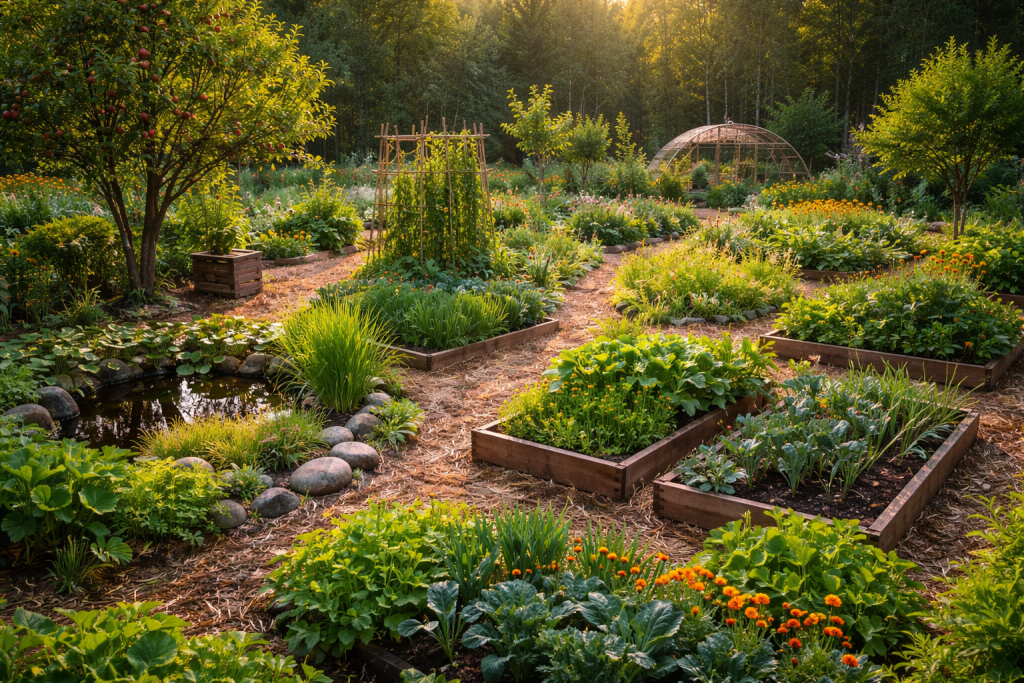
🌱 Introduction to Permaculture Farming
Definition and Meaning of Permaculture
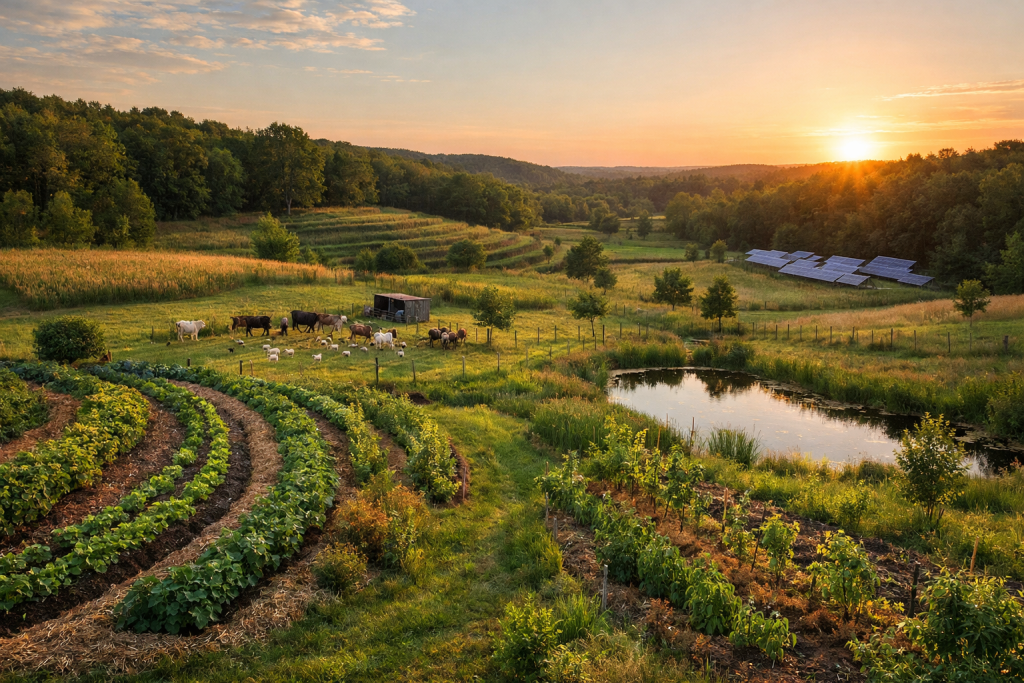
Understanding what is permaculture farming begins with breaking down the word itself. “Permaculture” is a combination of “permanent” and “agriculture.” It refers to a system of farming and land management that mimics natural ecosystems. Instead of forcing the land to produce, permaculture works with nature.
This approach focuses on sustainability, biodiversity, and long-term productivity. It is not just about growing food—it is a philosophy of living that promotes harmony between humans and the environment.
Permaculture farming emphasizes:
- Natural cycles
- Resource efficiency
- Regenerative practices
- Minimal waste
Unlike conventional farming, which often depletes soil and relies heavily on chemicals, permaculture builds soil health and supports ecosystems.
History and Origins of Permaculture
Permaculture was developed in the 1970s by two Australian ecologists, Bill Mollison and David Holmgren. They were concerned about the environmental damage caused by industrial agriculture.
Their goal was simple: create agricultural systems that are sustainable and self-sufficient. Over time, permaculture evolved into a global movement influencing farming, architecture, and community design.
Today, permaculture is widely studied by sustainability enthusiasts and is a key subject for diploma seekers aiming to build eco-friendly careers.
🌍 Core Ethics of Permaculture
Earth Care Principle
Earth care is the foundation of permaculture farming. It focuses on protecting natural resources like soil, water, and biodiversity.
Practices include:
- Avoiding chemical fertilizers
- Conserving water
- Encouraging wildlife habitats
Healthy ecosystems lead to healthy food systems.
People Care Principle
Permaculture is not only about the environment—it also supports human well-being. This principle ensures that basic needs like food, shelter, and community are met sustainably.
It promotes:
- Fair working conditions
- Community collaboration
- Access to resources
Fair Share Principle
Also known as “returning the surplus,” this principle encourages sharing excess resources. Instead of overconsumption, permaculture promotes balance.
Examples include:
- Sharing harvests
- Redistributing resources
- Limiting waste
🌿 What Is Permaculture Farming: Key Principles Explained
Observe and Interact
Before making any changes to land, observation is crucial. Farmers study sunlight, wind, water flow, and soil conditions.
This helps in designing systems that naturally thrive.
Catch and Store Energy
Energy in permaculture comes from natural sources like sunlight and rain. Systems are designed to capture and store this energy efficiently.
Examples:
- Solar panels
- Rainwater tanks
- Organic matter in soil
Obtain a Yield
Every system should produce something useful—food, energy, or resources. Even small gardens can yield significant results when properly managed.
Apply Self-Regulation
Permaculture systems are designed to regulate themselves. This reduces the need for constant human intervention.
Use Renewable Resources
Instead of relying on non-renewable inputs, permaculture uses:
- Compost
- Natural fertilizers
- Renewable energy
Produce No Waste
Waste is seen as a resource. For example:
- Food scraps become compost
- Leaves become mulch
This creates a closed-loop system.
🏡 Design Systems in Permaculture
Zones and Sectors
Permaculture design divides land into zones based on how often they are used.
- Zone 0: Home
- Zone 1: Daily-use plants
- Zone 5: Wild nature
Sectors consider external factors like wind, sun, and water flow.
Patterns in Nature
Nature follows patterns—spirals, waves, and branching systems. Permaculture designs mimic these patterns to improve efficiency.
🌾 Soil Health in Permaculture Farming
Composting Techniques
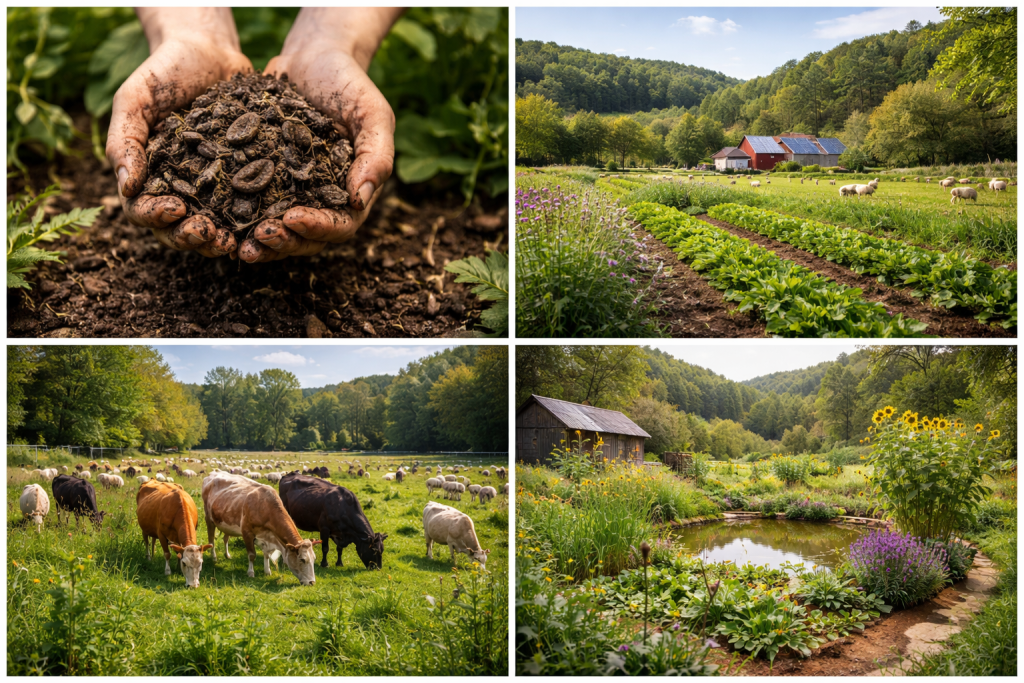
Composting is essential in permaculture farming. It turns organic waste into nutrient-rich soil.
Common methods:
- Hot composting
- Vermicomposting (using worms)
Mulching and Soil Protection
Mulch protects soil from erosion, retains moisture, and improves fertility.
Materials include:
- Straw
- Leaves
- Wood chips
💧 Water Management Strategies
Rainwater Harvesting
Collecting rainwater reduces dependence on external water sources.
Systems include:
- Storage tanks
- Roof collection systems
Swales and Irrigation Methods
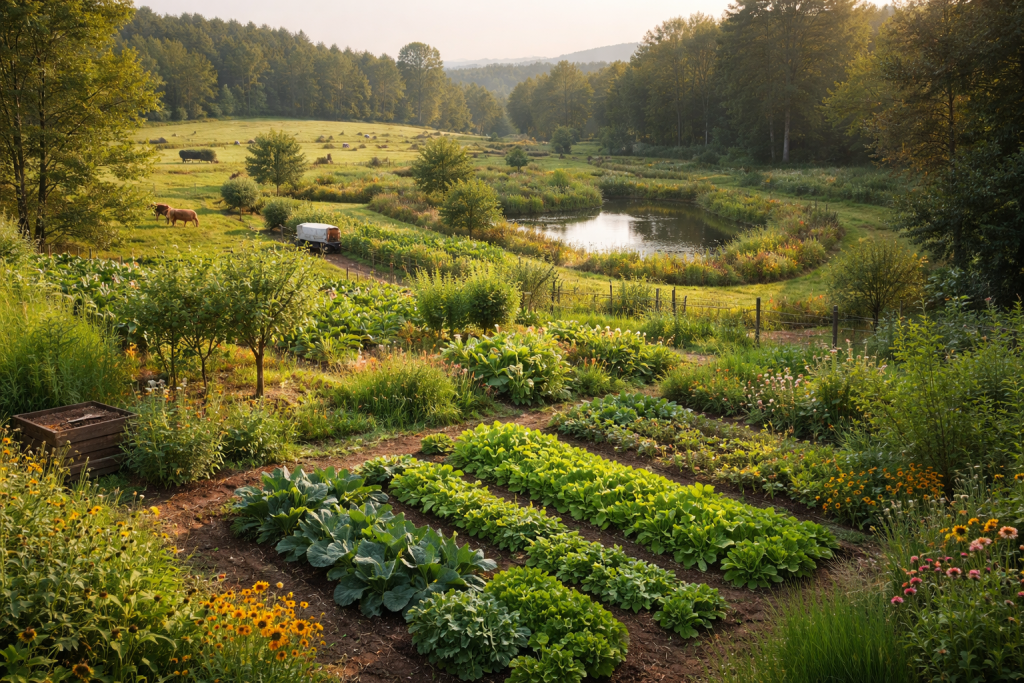
Swales are shallow trenches that capture water and allow it to soak into the soil. They prevent runoff and improve hydration.
🌳 Plant Selection and Polyculture
Companion Planting
Plants are grouped based on how they benefit each other.
Example:
- Tomatoes and basil grow well together
Food Forest Systems
A food forest mimics a natural forest but produces edible plants. It includes multiple layers:
- Trees
- Shrubs
- Ground cover
🐄 Animal Integration in Permaculture
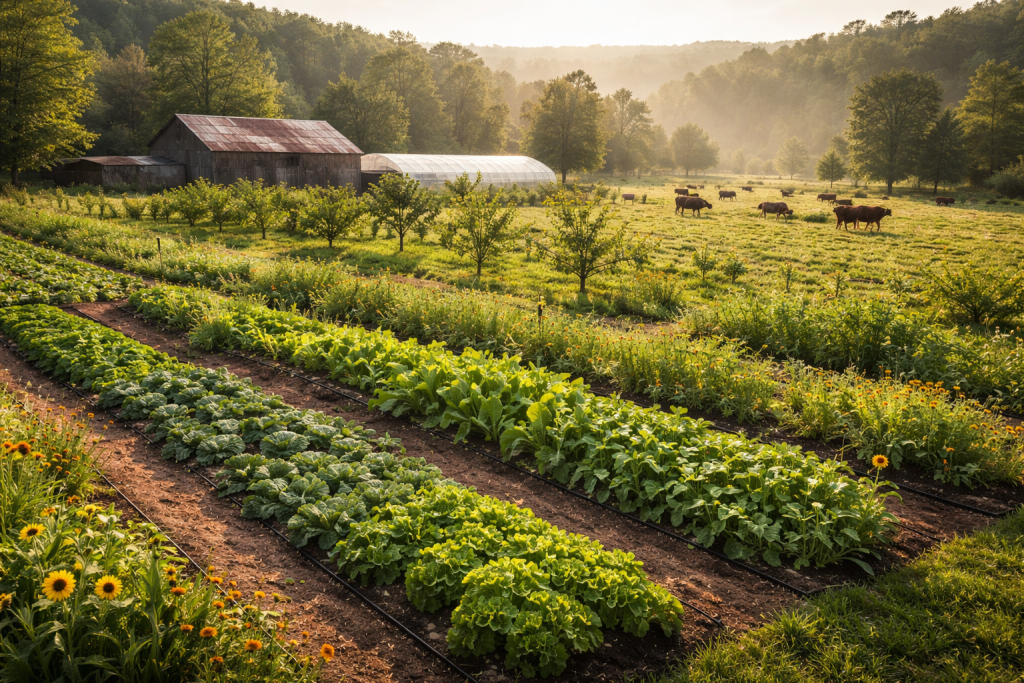
Role of Livestock
Animals play a key role in maintaining ecosystems.
They help with:
- Fertilization
- Pest control
- Soil aeration
Ethical Animal Care
Permaculture promotes humane treatment of animals, ensuring they live in natural conditions.
🌟 Benefits of Permaculture Farming
Environmental Benefits
- Improves soil health
- Increases biodiversity
- Reduces pollution
Economic Benefits
- Lower input costs
- Long-term sustainability
- Diverse income streams
Social Benefits
- Stronger communities
- Food security
- Healthier lifestyles
⚠️ Challenges in Permaculture Farming
Initial Setup Complexity
Designing a permaculture system requires planning and patience. Results may take time.
Knowledge Requirements
It requires a deep understanding of ecosystems, making education essential for success.
🛠️ Tools and Techniques for Beginners
Basic Tools Needed
- Shovel
- Compost bins
- Watering systems
Planning Your First Permaculture Site
Start small. Observe your land, test soil, and gradually expand.
🎓 Career Path for Permaculture Diploma Seekers
Skills Required
- Ecological design
- Soil management
- Sustainable agriculture
Job Opportunities
- Farm design consultant
- Sustainability advisor
- Organic farmer
❓ Frequently Asked Questions
1. What is permaculture farming in simple terms?
Permaculture farming is a sustainable way of growing food by working with nature instead of against it.
2. Is permaculture farming profitable?
Yes, it can be profitable due to low input costs and diverse income sources.
3. How long does it take to see results?
Results can take 1–3 years depending on the system design.
4. Do I need a large area to start?
No, permaculture can be practiced in small gardens or even balconies.
5. What skills are needed for permaculture farming?
Observation, planning, and ecological knowledge are key skills.
6. Can permaculture farming replace conventional farming?
It has the potential to complement or replace conventional farming in many cases.
🌱 Conclusion
Understanding what is permaculture farming opens the door to a sustainable and fulfilling way of life. It is more than a farming method—it is a holistic system that integrates land, people, and resources in harmony.
For permaculture diploma seekers, mastering these principles offers not only career opportunities but also a chance to contribute to a healthier planet. By applying these concepts, anyone can create resilient systems that benefit both nature and society.

Responses