
What Does Regeneratively Grown Mean? A Complete Guide for Permaculture Enthusiasts


Understanding the term “regeneratively grown” is essential for anyone passionate about sustainable food systems, permaculture, and ecological farming. While many are familiar with organic farming, regenerative agriculture goes a step further—it focuses not only on reducing harm but actively restoring ecosystems, enhancing biodiversity, and building resilient food systems. In this guide, we’ll explore everything you need to know about regeneratively grown products, from soil health to certification standards, and why this approach matters for the future of farming.
Introduction to Regenerative Agriculture
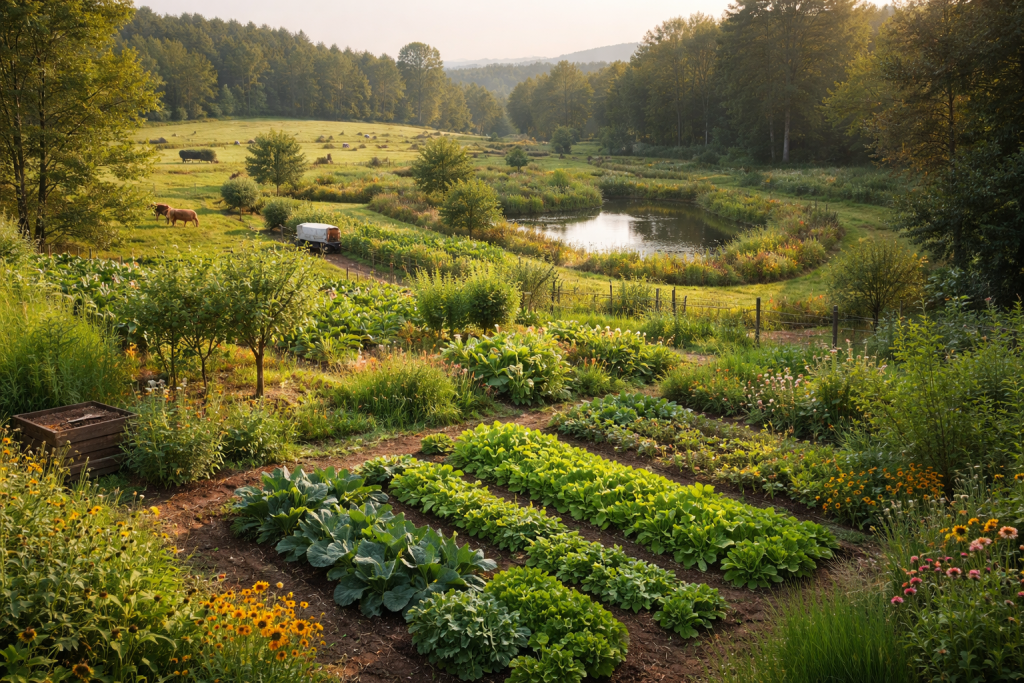
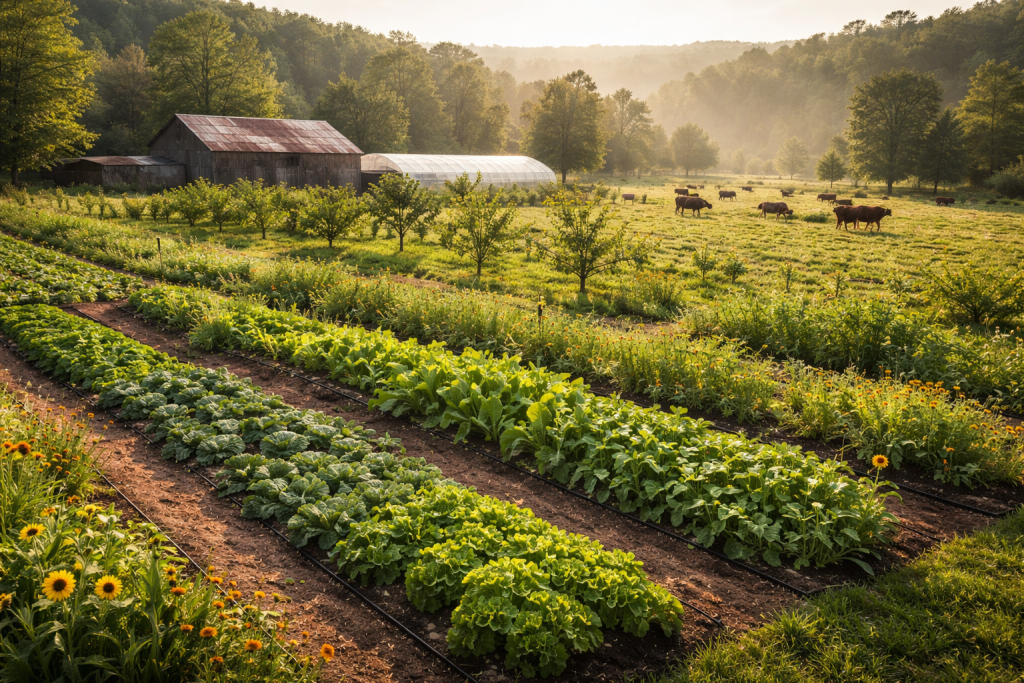
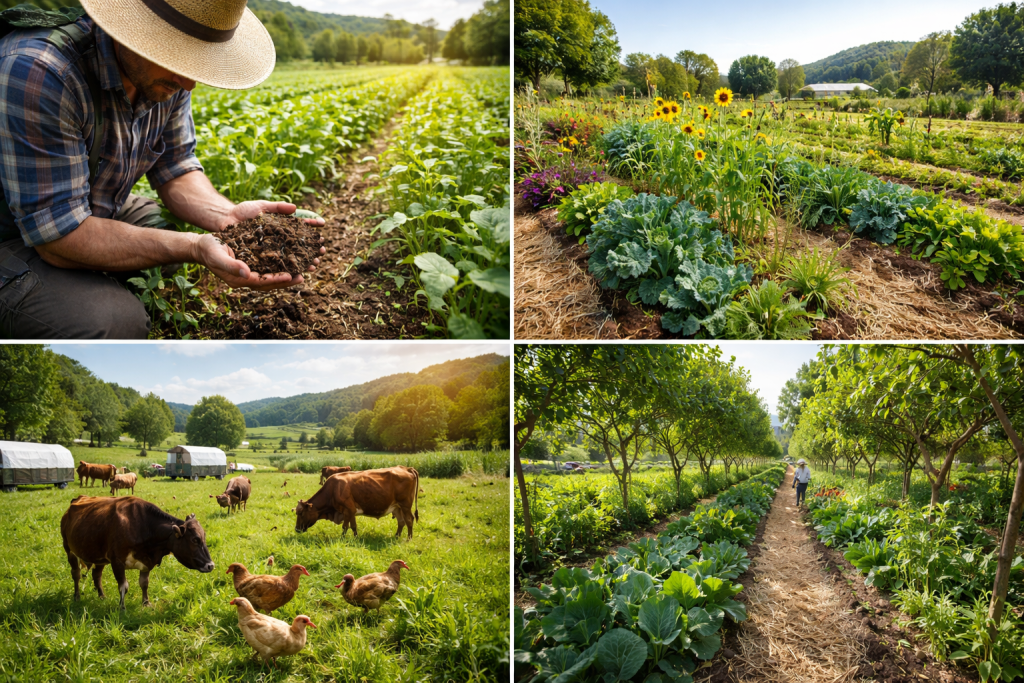
Regenerative agriculture is a holistic farming approach that emphasizes restoring natural ecosystems while producing food. Unlike conventional agriculture, which can degrade soil and deplete resources, regenerative practices aim to enhance biodiversity, improve soil fertility, and sequester carbon, all while sustaining productive yields.
Key aspects of regenerative agriculture include:
- Soil health: Prioritizing living soil, rich in microorganisms.
- Water management: Designing landscapes to retain and recycle water.
- Biodiversity: Encouraging a variety of plants and animals to create resilient ecosystems.
- Carbon sequestration: Pulling carbon from the atmosphere into the soil to mitigate climate change.
For permaculture students, regenerative agriculture is often considered the practical application of permaculture ethics and principles—caring for the earth, caring for people, and fair sharing of resources.
The Concept of “Regeneratively Grown”
At its core, the term “regeneratively grown” refers to agricultural products cultivated using methods that restore and enhance ecological systems rather than deplete them. This goes beyond organic practices by actively improving soil fertility, water cycles, and biodiversity.
Origin of the Term
The concept emerged in the 1980s and 1990s, when ecologists and farmers sought alternatives to chemical-intensive farming. Regenerative agriculture builds upon principles from:
- Permaculture: Designing sustainable, self-sufficient systems.
- Agroecology: Using ecological science to optimize farm productivity and sustainability.
- Holistic management: Integrating livestock and crops to improve soil health naturally.
The term emphasizes active regeneration rather than just avoiding harm.
Difference Between Organic and Regenerative Practices
While both organic and regenerative agriculture avoid synthetic chemicals, regeneratively grown systems go further:
| Aspect | Organic Farming | Regeneratively Grown |
| Soil | Avoids chemicals | Actively restores soil health |
| Biodiversity | Encouraged | Central focus |
| Carbon | Neutral | Sequesters carbon into soil |
| Water | Efficient | Actively conserves and cycles water |
| Ecosystem Impact | Minimal harm | Restores ecosystems |
In other words, all regeneratively grown products are organic, but not all organic products are regeneratively grown.
Core Principles of Regenerative Growth
Regenerative agriculture rests on several foundational principles. Understanding these is key for anyone studying permaculture:
Soil Health and Microbiome
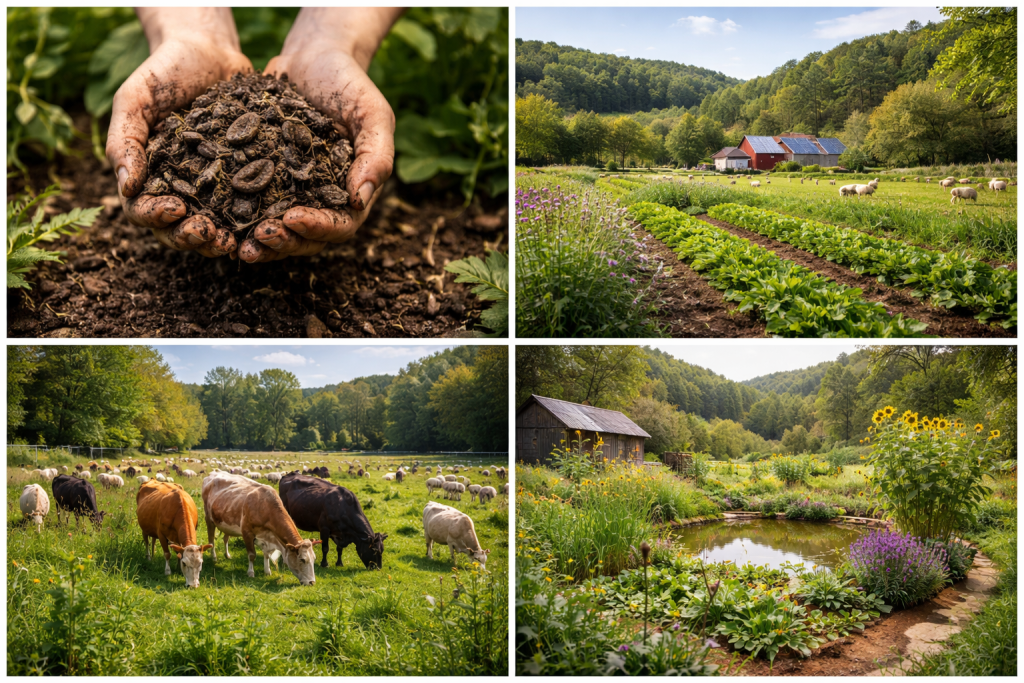
Healthy soil is the heart of regenerative farming. Techniques to enhance soil include:
- Composting: Recycling organic waste to enrich soil.
- Cover cropping: Planting crops like clover or legumes to prevent erosion and fix nitrogen.
- Reduced tillage: Minimizing soil disruption to protect microorganisms.
These practices increase soil organic matter, which boosts water retention, nutrient cycling, and plant resilience.
Water Management in Regenerative Systems
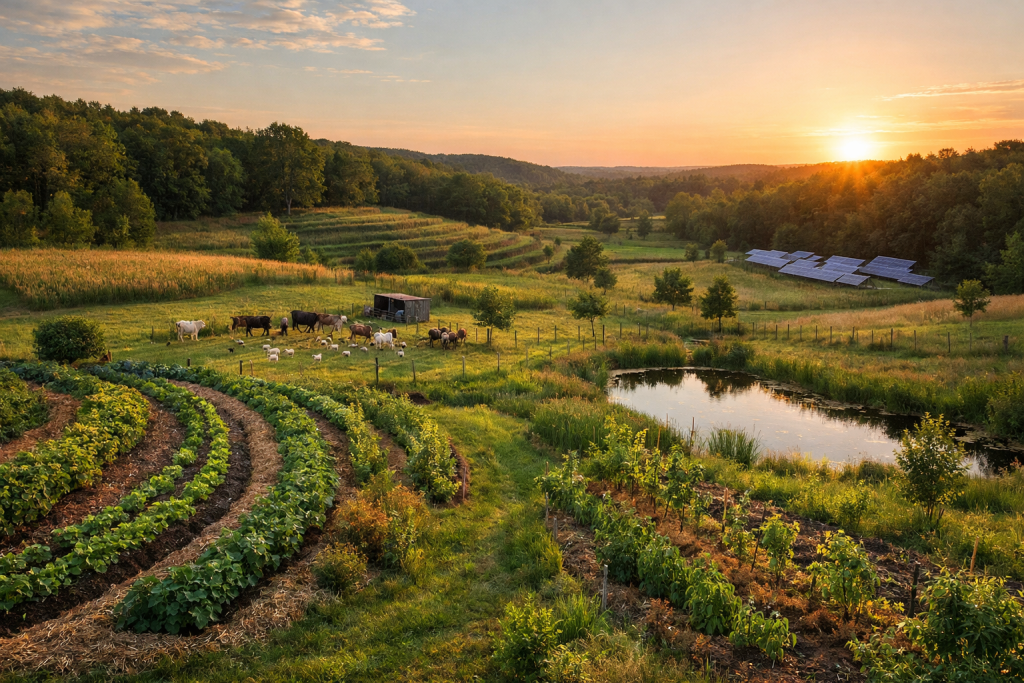
Water is a precious resource, and regenerative farms use clever techniques to manage it:
- Swales and contour trenches: Capture rainwater and reduce erosion.
- Rainwater harvesting: Stores water for dry periods.
- Polyculture design: Plants work together to maximize water efficiency.
Efficient water use strengthens the ecosystem while supporting consistent crop yields.
Promoting Biodiversity
Biodiversity ensures ecosystem stability and reduces vulnerability to pests. Strategies include:
- Companion planting: Plants that benefit each other when grown together.
- Agroforestry: Combining trees with crops or livestock.
- Habitat creation: Encouraging pollinators and wildlife on farmland.
By supporting a variety of species, regenerative farms mimic natural ecosystems, leading to healthier, more resilient crops.
Benefits of Regeneratively Grown Products
Choosing regeneratively grown products provides multiple advantages:
Environmental Benefits
- Soil restoration: Prevents erosion and rebuilds nutrients.
- Carbon sequestration: Helps combat climate change.
- Reduced chemical runoff: Protects waterways and wildlife.
Health and Nutritional Benefits
- Higher nutrient density: Soils rich in organic matter produce more vitamins and minerals.
- Antioxidant-rich foods: Biodiverse farming increases phytochemical content.
Economic and Social Benefits
- Supports local farmers: Promotes community-based economies.
- Ethical farming practices: Encourages fair labor and environmentally conscious farming.
- Resilient markets: Diversified crops reduce dependency on monocultures.
How to Identify Regeneratively Grown Products
With the rise in regenerative agriculture, labels and certifications help consumers make informed choices.
Regenerative Certifications and Standards
Some widely recognized certifications include:
- Regenerative Organic Certified (ROC): Combines organic standards with soil health and fair labor requirements.
- Demeter Biodynamic: Focuses on holistic, ecological farming.
- Eco-labels: Indicate sustainable and regenerative practices.
Questions to Ask Your Supplier
To ensure products are truly regeneratively grown, ask:
- How do you manage soil fertility?
- Do you implement biodiversity practices?
- How do you conserve water and sequester carbon?
- Are your products certified or independently verified?
Challenges in Regenerative Farming
Despite its benefits, regenerative agriculture faces challenges:
- Higher initial costs: Soil restoration and multi-layered systems can require more investment.
- Knowledge gaps: Farmers need training in holistic ecosystem management.
- Scaling difficulties: Applying regenerative practices on large farms can be complex.
- Market recognition: Limited consumer awareness can reduce demand.
Addressing these challenges requires education, policy support, and innovative business models.
Future of Regeneratively Grown Agriculture
The future looks promising as more permaculture practitioners and farmers adopt regenerative methods:
- Global trends: Growing demand for regenerative products in grocery stores.
- Integration with permaculture: Combining ethical design principles with ecological restoration.
- Sustainable food systems: Regenerative agriculture contributes to climate resilience, food security, and ecosystem restoration.
Frequently Asked Questions (FAQs)
1. Is regeneratively grown the same as organic?
No. While both avoid synthetic chemicals, regeneratively grown farming actively restores ecosystems, whereas organic focuses on avoiding chemicals.
2. How does regeneratively grown food affect the environment?
It improves soil health, sequesters carbon, enhances biodiversity, and reduces water pollution.
3. Are regeneratively grown foods more nutritious?
Yes. They often contain higher levels of vitamins, minerals, and antioxidants due to healthy soil and biodiversity.
4. Can large farms use regenerative practices?
Yes, but scaling requires careful planning, knowledge, and investment in multi-layered ecosystem design.
5. How can I verify if a product is regeneratively grown?
Look for certifications like Regenerative Organic Certified (ROC) or ask the farmer about soil, water, and biodiversity practices.
6. Does regenerative agriculture help fight climate change?
Yes. By sequestering carbon in soil and promoting ecological balance, it contributes to climate mitigation.
Conclusion
Understanding what does regeneratively grown mean is essential for anyone invested in sustainable agriculture and permaculture. This approach doesn’t just avoid harm—it actively restores ecosystems, enriches soil, supports biodiversity, and promotes ethical farming. As awareness grows, consumers and future permaculture leaders can play a key role in shaping a resilient, regenerative food system.By choosing regeneratively grown products and applying these principles in your own practice, you’re not just growing food—you’re growing a sustainable future.
Responses