
Understanding the Environmental Leadership Program

An environmental leadership program is designed to teach students, young adults, and future professionals how to make responsible decisions that support a healthy planet. These programs blend education, hands-on activities, and leadership training to help people understand ecological challenges and take real action to solve them.
Unlike traditional science classes, these programs focus on leadership development, teamwork, and long-term solutions. The goal is simple: empower learners to become confident environmental leaders who can guide others toward sustainable choices.
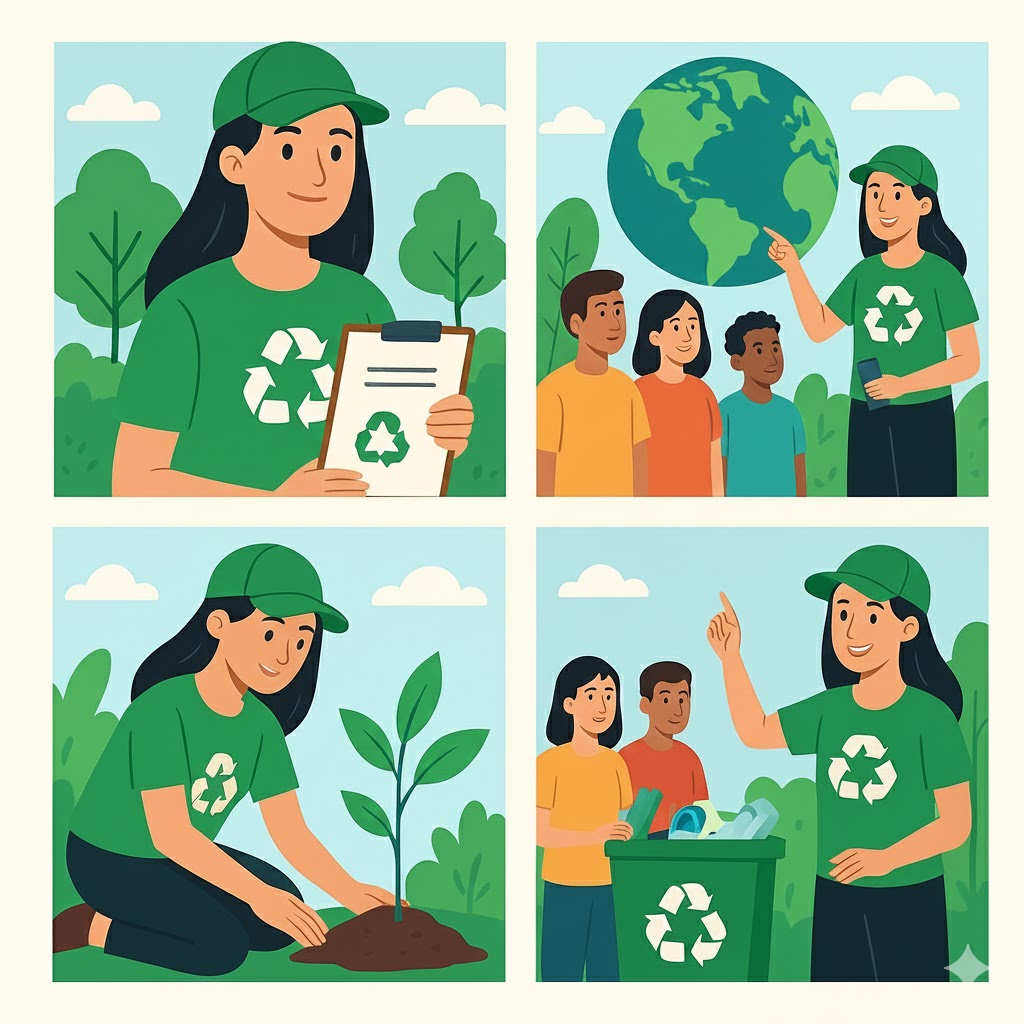
Key Components of an Environmental Leadership Program
1. Leadership Training
A strong environmental leadership program always includes leadership training. Students learn how to:
- Communicate ideas clearly
- Lead group projects
- Guide peers toward eco-friendly actions
- Analyze environmental issues logically
These skills prepare them to take initiative within their schools and communities.
2. Sustainability Education
Participants explore real-world environmental concepts such as:
- Climate change
- Conservation
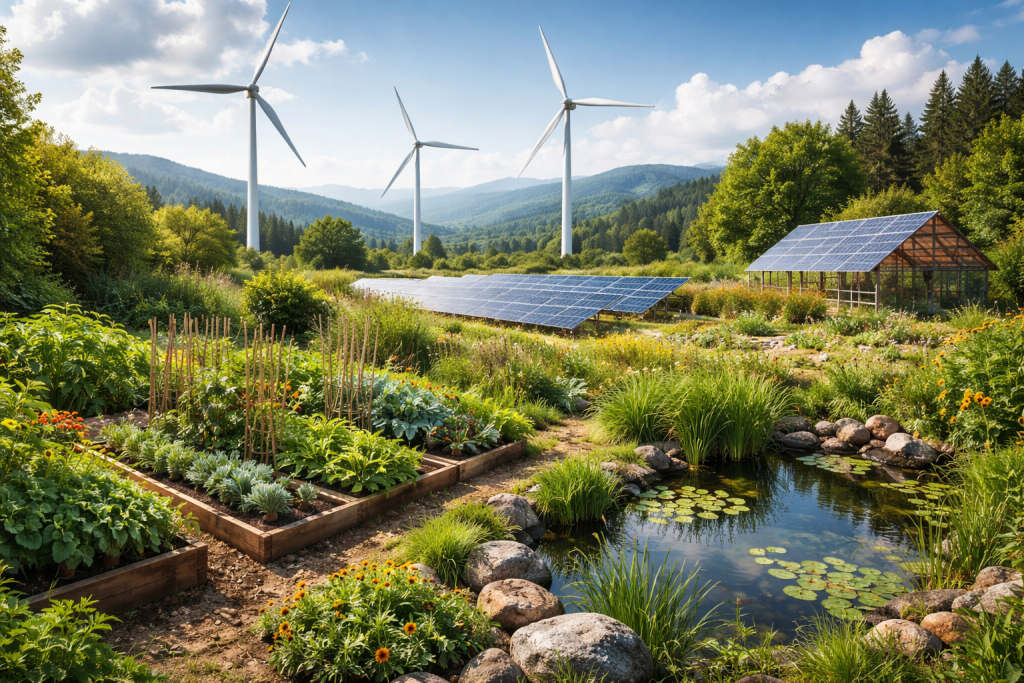
- Renewable energy
- Waste reduction
This builds a solid foundation for informed decision-making.
3. Hands-On Environmental Projects
Experience is everything. An effective environmental leadership program encourages:
- Campus cleanups
- Tree planting
- Recycling initiatives
- Water monitoring
- Energy-saving campaigns
This practical learning ensures students see the impact of their actions firsthand.
Skills Developed Through an Environmental Leadership Program
Joining an environmental leadership program helps learners build long-lasting skills such as:
Critical Thinking
Students learn how to study problems like pollution or resource waste and find realistic, achievable solutions.
Communication
Environmental leaders must share their ideas clearly. Programs often include public speaking, presentation planning, and teamwork exercises.
Environmental Awareness
Participants develop a strong understanding of how everyday choices impact the planet.
Benefits of Joining an Environmental Leadership Program
1. Academic Growth
Students gain knowledge they can apply in:
- Science projects
- Environmental clubs
- Future career paths such as biology, sustainability, or environmental policy
2. Community Impact
Programs encourage students to take part in local environmental activities. This helps communities become cleaner, greener, and more aware.
3. Building Leadership Confidence
By leading real projects, students learn to trust their abilities and inspire others.
Environmental Leadership in Schools & Communities
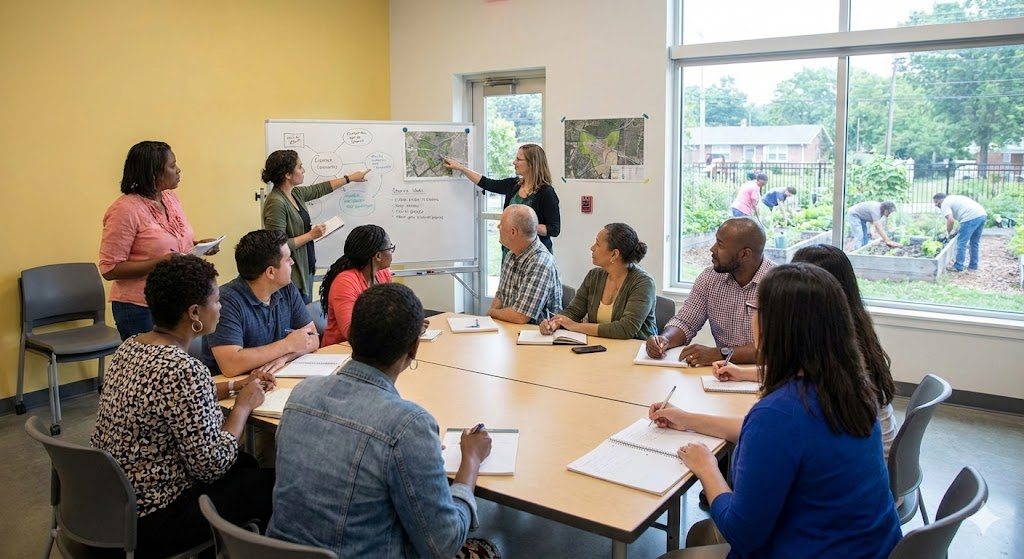
Many schools are now including environmental leadership programs to encourage students to learn outside the classroom. Community organizations also use these programs to raise awareness and support local sustainability goals.
A well-structured environmental leadership program creates strong connections between learners and their environment, helping them become active global citizens.
How to Build an Effective Environmental Leadership Program
1. Create a Clear Curriculum
Define goals, topics, and expected outcomes.
2. Involve Local Environmental Mentors
Partner with:
- Environmental NGOs
- Community leaders
- Park rangers
- Renewable energy professionals
3. Encourage Project-Based Learning
Hands-on activities help students learn faster and stay engaged.
4. Keep Students Motivated
Celebrate achievements, share project success stories, and give students leadership roles.
❓ Frequently Asked Questions (FAQs)
1. What is an environmental leadership program?
It’s a program that teaches students how to protect the environment while building leadership and sustainability skills.
2. Who can join an environmental leadership program?
Many programs welcome students from middle school to college, depending on the organization or school.
3. Why is environmental leadership important?
Because it encourages young people to become responsible citizens who care about the planet.
4. What kind of projects are included?
Projects often include recycling drives, community cleanups, water-saving campaigns, and tree planting.
5. How long does the program last?
It varies—some last weeks, others months, depending on the curriculum.
6. Are these programs useful for future careers?
Yes! They help students build strong foundations for careers in sustainability, environmental science, renewable energy, and more.
Conclusion
An environmental leadership program is one of the most effective ways to prepare the next generation for a sustainable future. These programs build essential knowledge, empower young leaders, and support global environmental protection efforts. Whether in schools or communities, they create lasting change that benefits everyone.



Responses