
Trauma Informed Teaching Training: Powerful Benefits for Permaculture Diploma Seekers


Introduction to Trauma-Informed Education in Permaculture
If you’re pursuing a Permaculture Diploma, you already understand that regeneration is more than planting trees or designing food forests. It’s about restoring relationships—between people, land, and community. That’s where trauma informed teaching training becomes essential.
Permaculture education often involves immersive learning, hands-on work, community living, and emotional reflection. While this creates powerful transformation, it can also surface unresolved stress or past experiences in learners. An educational approach that acknowledges this reality fosters safety, resilience, and deeper engagement.
Trauma-informed education recognizes that many learners carry invisible burdens. Instead of asking, “What’s wrong with this student?” it asks, “What might this student have experienced?” This simple shift changes everything.
What Is Trauma-Informed Teaching?
Trauma-informed teaching is an educational approach grounded in neuroscience, psychology, and compassionate pedagogy. It emphasizes:
- Safety (emotional and physical)
- Trust and transparency
- Peer collaboration
- Empowerment and choice
- Cultural humility
It does not mean becoming a therapist. Rather, it means designing learning environments that reduce stress triggers and promote regulation.
Why Permaculture Education Is Unique
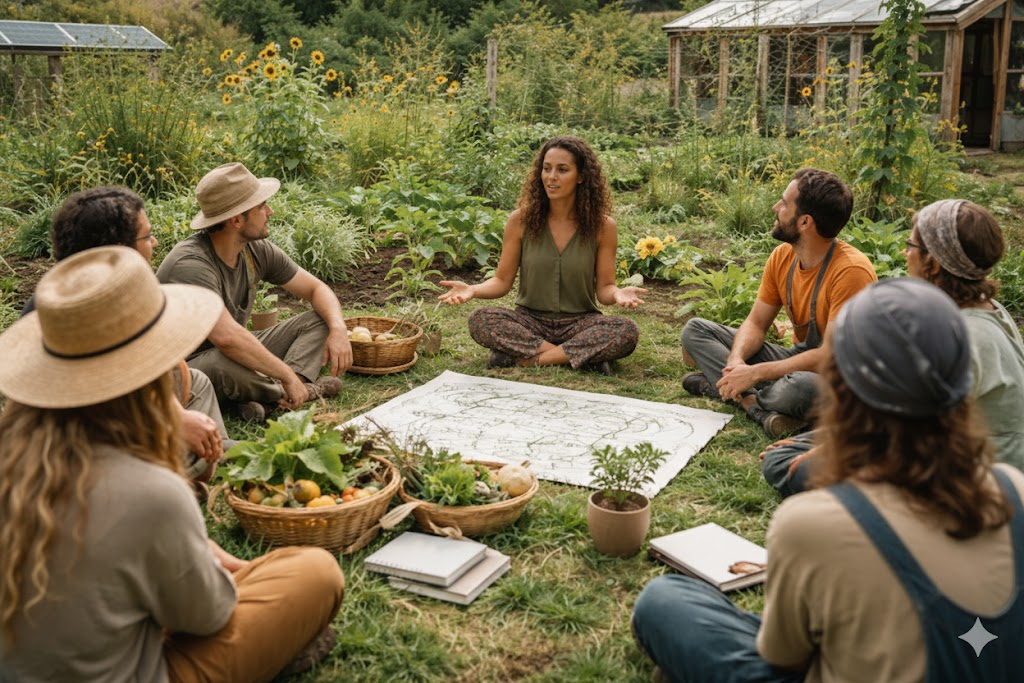
Permaculture courses are experiential. Students work with soil, animals, weather, and each other. They may live on-site, cook communally, and participate in vulnerable discussions about sustainability and systems collapse.
This immersive environment is powerful—but intense. Without awareness, group dynamics or challenging conditions can activate stress responses. With trauma awareness, however, the same environment becomes deeply healing.
The Science Behind Trauma and Learning
Understanding trauma at a biological level helps Permaculture Diploma seekers create effective educational systems.
How Trauma Affects the Nervous System
When someone experiences overwhelming stress, their nervous system shifts into survival mode:
- Fight – defensiveness or aggression
- Flight – avoidance or withdrawal
- Freeze – shutdown or dissociation
Outdoor learning can sometimes trigger these responses unexpectedly. For example, loud tools, harsh criticism, or unpredictable schedules may activate stress.
A regulated nervous system, on the other hand, allows curiosity and creativity—both essential for ecological design thinking.
Trauma’s Impact on Memory and Retention
When the brain perceives danger, the prefrontal cortex (responsible for reasoning and problem-solving) becomes less active. This means students may:
- Struggle to retain information
- Feel overwhelmed by complex systems design
- Avoid participation
By integrating trauma-informed principles, educators create calmer environments where learning sticks.
Core Principles of Trauma Informed Teaching Training
To apply trauma awareness in permaculture education, we focus on several pillars.
Emotional and Physical Safety
Safety goes beyond preventing accidents in tool use. It includes:
- Clear communication of schedules
- Respectful feedback
- Accessible learning materials
- Predictable routines
When students feel safe, they’re more likely to experiment and innovate.
Collaboration and Choice
Permaculture values cooperation over competition. Trauma-informed approaches align perfectly with this ethic.
Provide options in assignments:
- Design a garden plan
- Present orally
- Submit a visual map
Choice restores agency—a key element in healing.
Cultural Awareness and Sensitivity
Permaculture attracts global learners. Cultural humility ensures teaching methods don’t unintentionally exclude or marginalize participants.
Respecting indigenous land knowledge, acknowledging historical context, and inviting diverse voices strengthens both ecological and social resilience.
Why Permaculture Diploma Seekers Need This Training
You’re not just learning to design landscapes—you’re preparing to guide communities.
Working with Diverse Communities
Future diploma holders often facilitate workshops, community gardens, and international projects. Participants may include:
- Refugees
- Climate activists
- Youth from disadvantaged backgrounds
- Elders with historical land trauma
A trauma-informed lens ensures your facilitation honors these realities.
Facilitating Group Dynamics
Conflict arises naturally in group projects. Trauma-aware facilitators:
- De-escalate tension
- Validate emotions without judgment
- Encourage constructive dialogue
This skill transforms disagreements into growth opportunities.
Integrating Trauma Awareness into Permaculture Curriculum
Now let’s get practical.
Designing Safe Outdoor Learning Environments
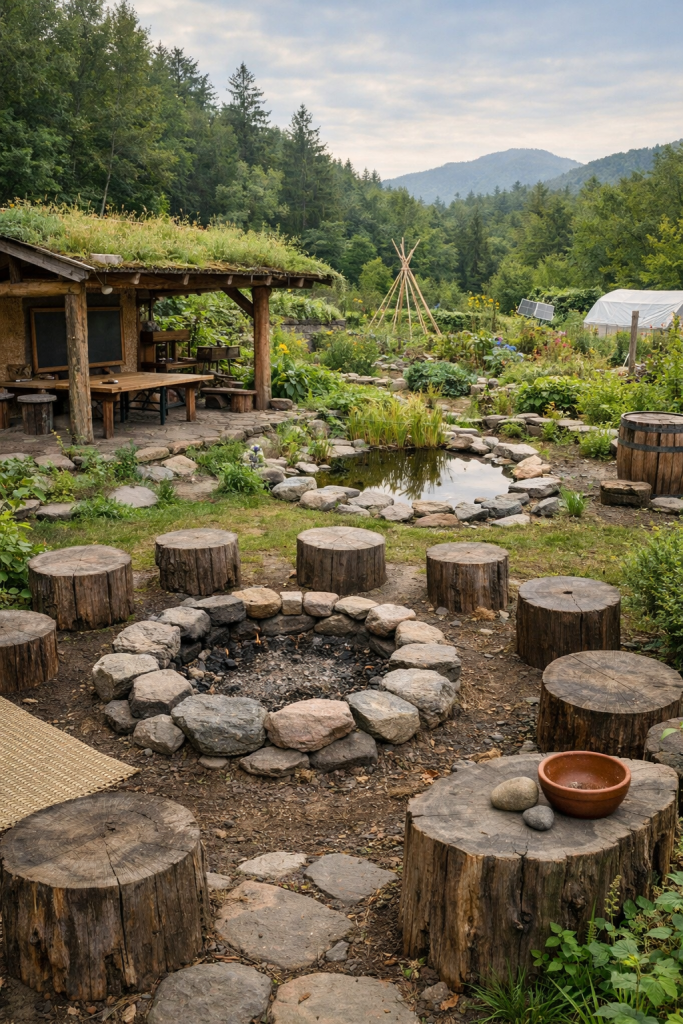
Outdoor spaces can be therapeutic when structured thoughtfully.
Consider:
- Quiet reflection zones
- Shade and hydration access
- Clear tool safety instructions
- Gradual exposure to challenging tasks
Nature itself regulates the nervous system. Soil contact, bird sounds, and rhythmic movement help calm stress responses.
Reflective and Experiential Practices
Reflection deepens integration. Try incorporating:
- Guided journaling
- Sit-spot observation exercises
- Group check-ins
- Embodiment practices
These methods align beautifully with permaculture’s observation principle: “Observe and interact.”
Leadership and Regenerative Culture
Permaculture is as much about culture as cultivation.
The Role of the Teacher as Space Holder
A space holder:
- Models emotional regulation
- Sets respectful boundaries
- Encourages shared leadership
- Remains calm during uncertainty
This leadership style builds trust quickly.
Preventing Burnout
Educators must regulate themselves first. Trauma awareness includes:
- Personal reflection
- Peer supervision
- Clear professional boundaries
- Rest cycles
Sustainable teachers create sustainable systems.
Real-World Applications in Community Projects
Imagine facilitating a community food forest in an urban neighborhood recovering from economic hardship. Residents may carry stress related to displacement or insecurity.
By applying trauma informed teaching training, you:
- Establish listening circles
- Invite shared storytelling
- Avoid imposing rigid design ideas
- Co-create solutions
The result? Stronger participation and long-term stewardship.
Challenges and Ethical Considerations
While powerful, this approach requires balance.
- Do not attempt therapy beyond your qualifications
- Maintain confidentiality
- Recognize when to refer participants to professionals
- Avoid forcing emotional disclosure
Trauma-informed teaching is about awareness—not clinical intervention.
Frequently Asked Questions
1. Is trauma informed teaching training only for therapists?
No. It’s designed for educators, facilitators, and leaders who want safer learning spaces.
2. Does this approach slow down the curriculum?
Not at all. In fact, it often improves retention and engagement.
3. Can it be applied in outdoor farm settings?
Absolutely. It enhances safety and teamwork in physically demanding environments.
4. How does it align with permaculture ethics?
It reflects all three ethics: Earth Care, People Care, and Fair Share.
5. Is certification required?
While formal courses exist, many foundational principles can be learned through workshops and professional development programs.
6. Will this help with community conflict resolution?
Yes. Trauma-aware facilitation significantly improves communication and cooperation.
Conclusion: Building Truly Regenerative Learning Ecosystems
Regeneration isn’t only ecological—it’s relational. As a Permaculture Diploma seeker, your influence extends beyond soil design into human systems.
By embracing trauma informed teaching training, you strengthen:
- Emotional resilience
- Community trust
- Ethical leadership
- Long-term sustainability
The future of permaculture depends not just on resilient landscapes, but on resilient people. When learners feel safe, seen, and supported, transformation flourishes naturally.
And that’s the real harvest.



Responses