The Ultimate Guide to Regenerative Agriculture Course: 12 Powerful Benefits for Permaculture Diploma Seekers

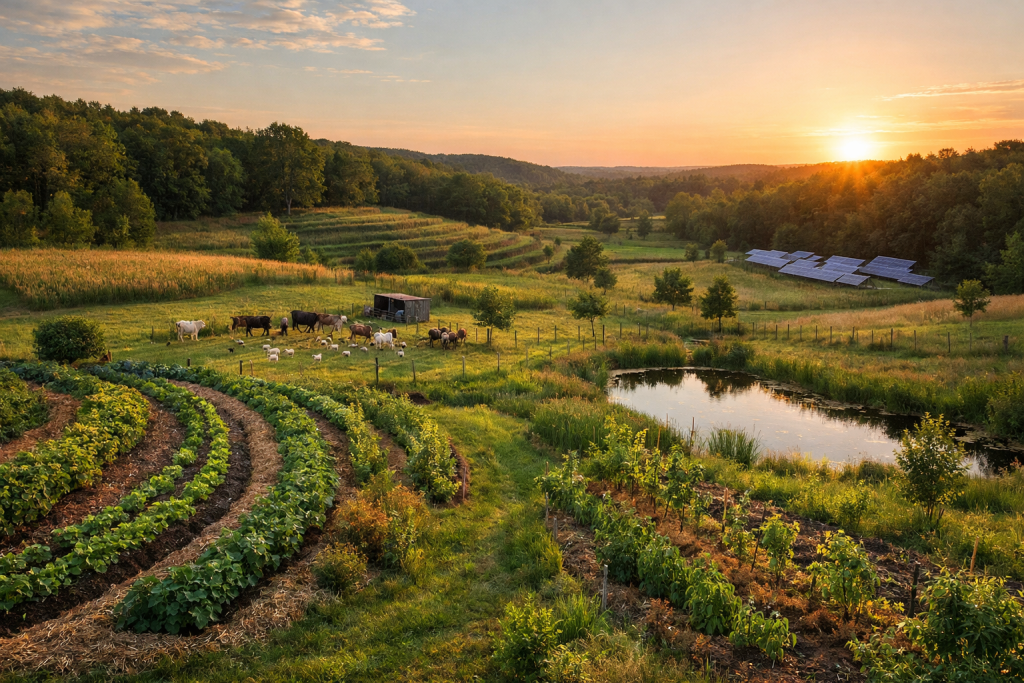
Introduction to Regenerative Agriculture Course
A regenerative agriculture course is more than just another farming class. For permaculture diploma seekers, it represents a bridge between ecological theory and real-world land stewardship. If you’re pursuing advanced permaculture studies, you already understand the ethics of earth care, people care, and fair share. But how do you apply those principles at scale? That’s where structured regenerative education steps in.
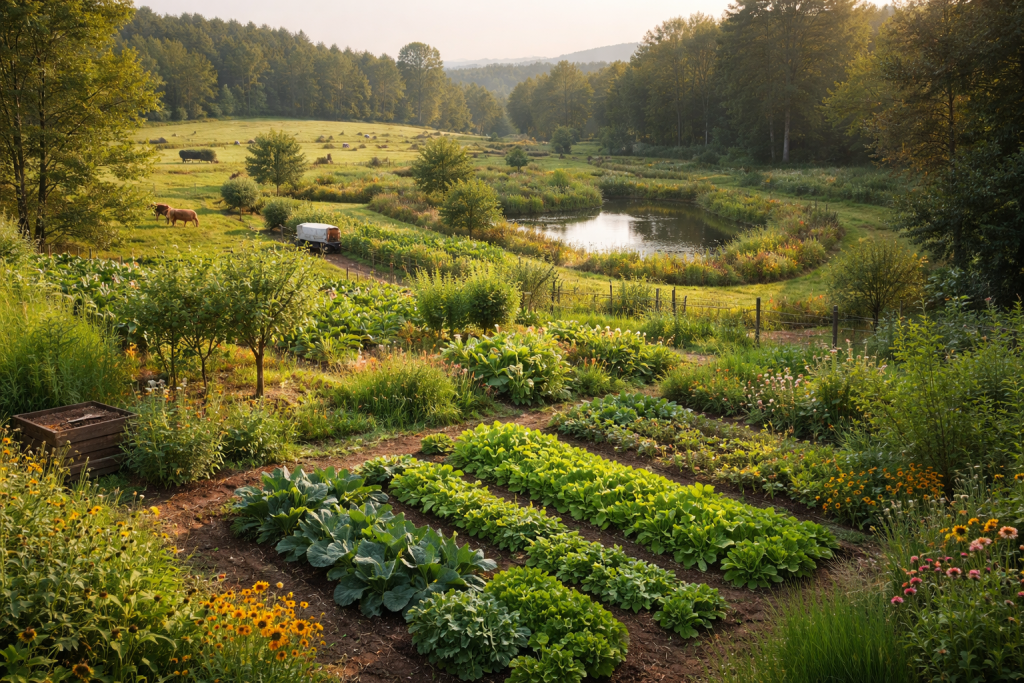
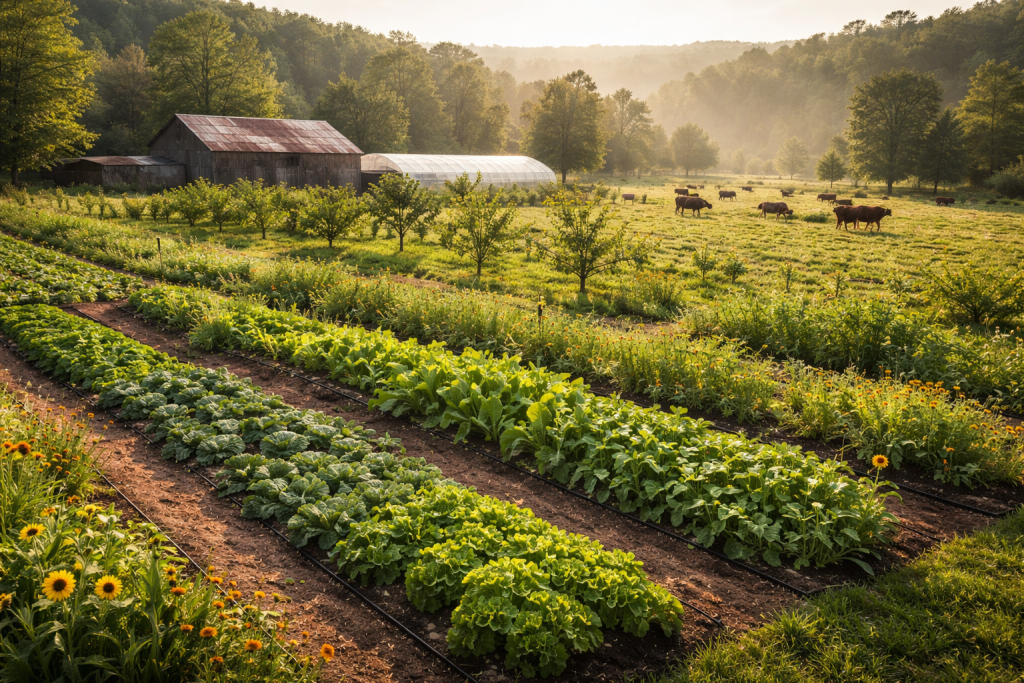
Regenerative agriculture focuses on restoring soil health, increasing biodiversity, improving water cycles, and strengthening farm resilience. Unlike conventional systems that often deplete natural resources, regenerative methods rebuild ecosystems. For diploma candidates, mastering these skills enhances both credibility and competence.
Today’s agricultural landscape is changing rapidly. Climate concerns, soil degradation, and food security issues have made regenerative systems more important than ever. According to the Food and Agriculture Organization (FAO), healthy soils are essential for global food production and climate mitigation. A formal course helps you understand these challenges scientifically and practically.
In this guide, we’ll explore what a regenerative agriculture course includes, why it matters for permaculture diploma seekers, and how it can expand your professional path.
What Is Regenerative Agriculture?
Regenerative agriculture is a holistic land management system designed to restore natural ecosystems while producing food. It blends traditional knowledge with modern ecological science.
Soil Health and Carbon Sequestration
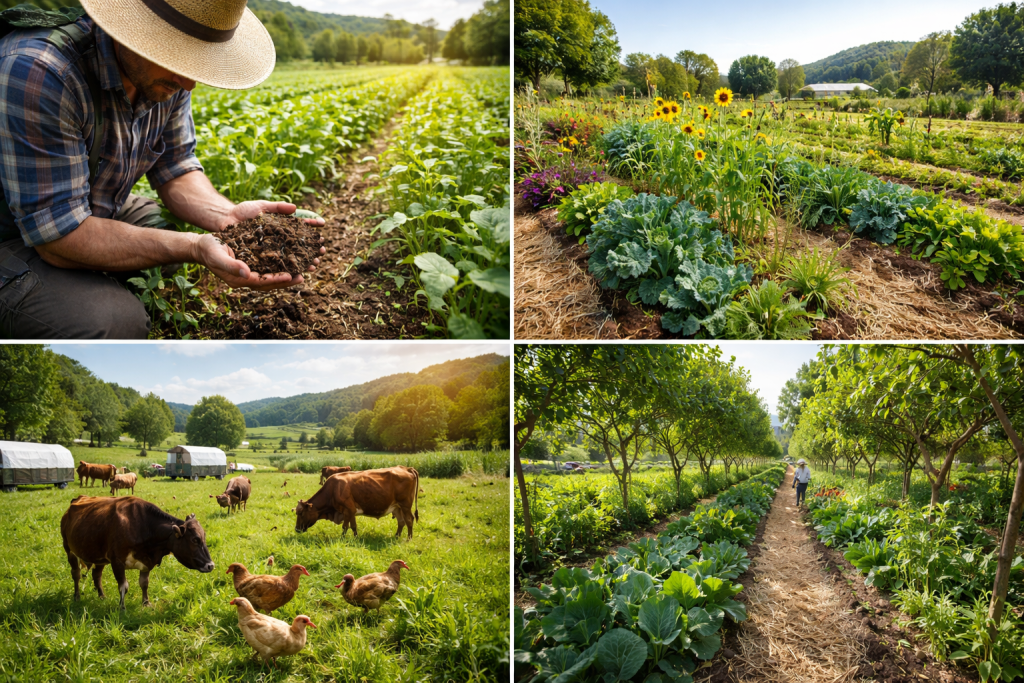
Healthy soil is the foundation of regenerative systems. Courses emphasize:
- Building organic matter
- Encouraging microbial diversity
- Composting and vermiculture
- Minimizing soil disturbance
- Cover cropping and mulching
Carbon sequestration is a major benefit. When soil organic matter increases, carbon is stored underground instead of in the atmosphere. This makes regenerative farming a climate-positive practice.
For permaculture diploma seekers, understanding soil biology at a deeper scientific level strengthens design decisions. It’s one thing to say “build soil.” It’s another to know exactly how fungi, bacteria, and earthworms interact.
Biodiversity and Ecosystem Restoration
Monocultures reduce resilience. Regenerative systems prioritize diversity through:
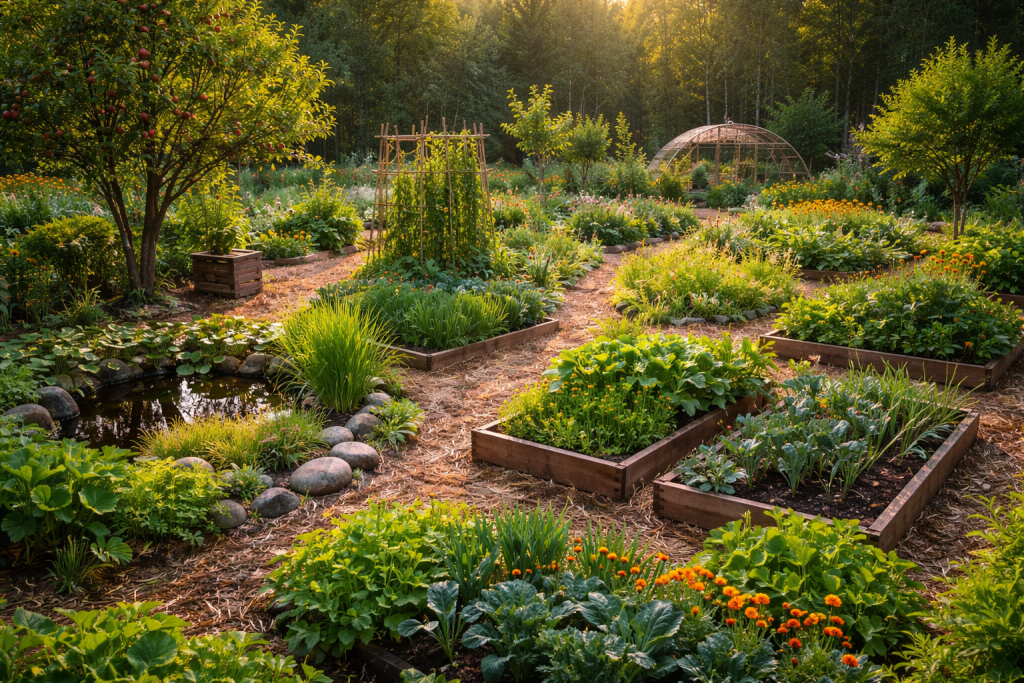
- Polyculture planting
- Agroforestry integration
- Wildlife corridors
- Native species restoration
These methods align closely with permaculture design principles. However, a structured course often dives deeper into measurable outcomes and ecological monitoring tools.
Why Take a Regenerative Agriculture Course?
For permaculture diploma seekers, advanced study isn’t optional—it’s essential.
Aligning with Permaculture Ethics
Permaculture ethics form the moral compass. Regenerative agriculture provides practical frameworks to implement them on larger landscapes. The overlap is strong, but regenerative education often emphasizes measurable soil metrics, grazing rotations, and economic viability.
Expanding Professional Opportunities
Completing a regenerative agriculture course opens doors in:
- Farm management
- Land consultancy
- Ecological restoration projects
- Sustainable food enterprises
- Educational institutions
Diploma seekers aiming to teach or consult benefit from formal training. Clients and employers often seek documented expertise.
Core Curriculum of a Regenerative Agriculture Course
A high-quality regenerative agriculture course covers both theory and hands-on practice.
Soil Biology and Compost Systems
Expect modules covering:
- Soil microbiology
- Nutrient cycling
- Biofertilizers
- Compost tea production
- Mycorrhizal relationships
Understanding soil life transforms your approach to land management.
Water Management and Keyline Design
Water is life. Courses often teach:
- Contour mapping
- Swale construction
- Keyline plowing principles
- Rainwater harvesting
- Drought resilience planning
These techniques are crucial for landscape-scale permaculture projects.
Agroforestry and Polyculture Systems
Agroforestry integrates trees with crops and livestock. Students learn:
- Alley cropping
- Silvopasture systems
- Forest farming
- Windbreak design
These systems increase productivity while restoring ecosystems.
Holistic Grazing and Livestock Integration
Livestock can regenerate land when managed properly. Topics include:
- Rotational grazing
- Paddock design
- Animal impact management
- Pasture recovery cycles
Regenerative Agriculture Course vs Traditional Agricultural Education
Traditional agricultural education often prioritizes yield through chemical inputs and mechanization. In contrast, a regenerative agriculture course emphasizes:
| Traditional Agriculture | Regenerative Agriculture |
| Synthetic fertilizers | Natural soil amendments |
| Monoculture systems | Diverse polycultures |
| High chemical inputs | Ecological balance |
| Short-term yield focus | Long-term soil health |
For permaculture diploma seekers, regenerative education complements ecological design with production efficiency.
Practical Skills You Gain
Theory is important—but application matters most.
Farm Planning and Design
You’ll develop skills in:
- Site analysis
- GIS mapping basics
- Climate assessment
- Enterprise budgeting
- Crop rotation planning
Natural Pest and Weed Management
Instead of chemicals, regenerative systems rely on:
- Companion planting
- Beneficial insects
- Biological controls
- Mulching strategies
Certification and Accreditation
Many regenerative agriculture course programs offer certification. While standards vary globally, reputable institutions provide:
- Structured assessments
- Fieldwork requirements
- Peer-reviewed projects
- Recognized credentials
Permaculture diploma seekers should look for programs aligned with ecological education networks or accredited agricultural bodies.
Online vs In-Person Learning Options
Both formats offer benefits.
Online Courses:
- Flexible schedules
- Lower costs
- Global instructors
- Self-paced modules
In-Person Courses:
- Hands-on experience
- Direct mentorship
- Field demonstrations
- Community networking
Choose based on your learning style and resources.
How to Choose the Best Regenerative Agriculture Course
Consider these factors:
- Instructor credentials
- Practical field components
- Curriculum depth
- Alumni success stories
- Alignment with permaculture principles
- Post-course support
Research thoroughly before enrolling. One of the best platforms for regenerative agriculture courses is Gaia U International.
Career Opportunities After Completion
Graduates often pursue roles such as:
- Regenerative farm manager
- Permaculture consultant
- Soil health specialist
- Agroforestry planner
- Sustainable agriculture educator
- Environmental project coordinator
As global demand for sustainable food systems grows, expertise in regeneration becomes increasingly valuable.
Challenges and Realistic Expectations
Regenerative agriculture is rewarding—but not effortless.
You may encounter:
- Initial lower yields during transition
- Learning curve in soil analysis
- Financial planning complexity
- Community skepticism
However, long-term benefits often outweigh early challenges.
Frequently Asked Questions
1. Is a regenerative agriculture course necessary for permaculture diploma seekers?
While not mandatory, it significantly enhances technical and scientific knowledge.
2. How long does a regenerative agriculture course take?
Programs range from short intensives (4–12 weeks) to year-long certifications.
3. Can I take a regenerative agriculture course online?
Yes. Many reputable institutions offer remote learning with practical assignments.
4. Does regenerative agriculture differ from organic farming?
Yes. Organic farming avoids synthetic inputs, while regenerative systems actively restore ecosystems and build soil carbon.
5. What skills will I gain from a regenerative agriculture course?
Soil management, water systems design, agroforestry planning, livestock integration, and farm economics.
6. Is regenerative agriculture profitable?
With proper management, diversified regenerative systems can become economically resilient over time.
Conclusion: Investing in a Regenerative Future
A regenerative agriculture course is a strategic investment for permaculture diploma seekers. It deepens ecological understanding, strengthens professional credibility, and prepares you to manage landscapes responsibly.
As climate pressures intensify and sustainable food systems become essential, regenerative expertise positions you at the forefront of agricultural innovation. By combining permaculture ethics with regenerative science, you become not just a designer—but a true land steward.
The future of farming isn’t about extraction. It’s about restoration. And education is the first step.