
Permaculture Design Certificate Course: The Ultimate Guide for Aspiring Diploma Seekers

Understanding Permaculture Education Pathways
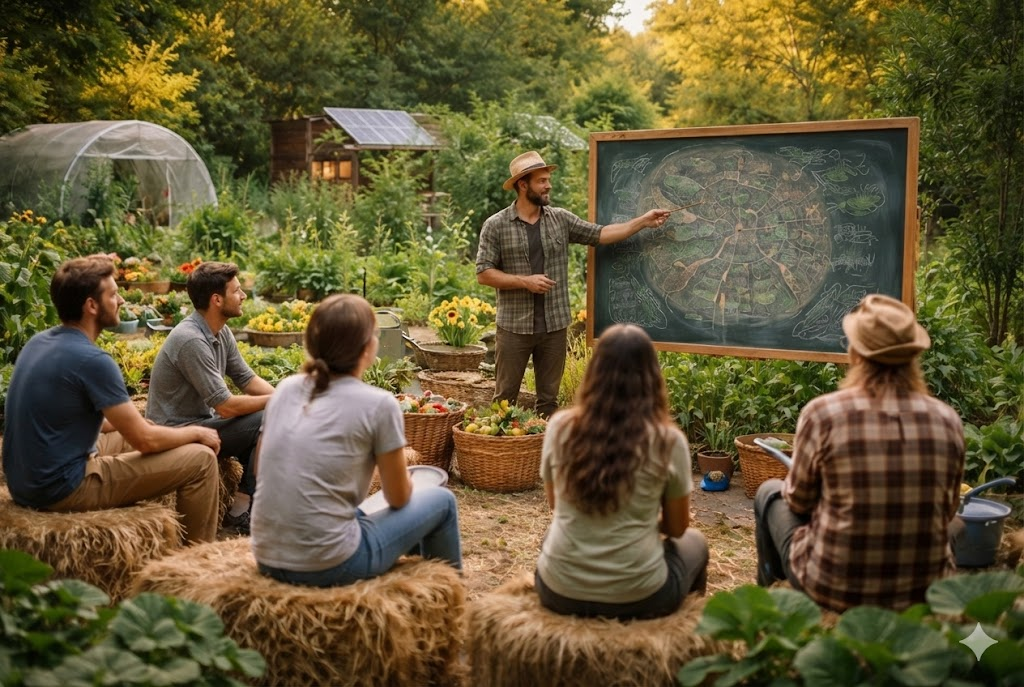
Permaculture education follows a clear and intentional learning pathway. At its foundation, learners explore ecological thinking, sustainable living, and regenerative design. As students advance, they move from theory into hands-on application and professional practice. For those aiming to earn a diploma, the certificate level serves as a critical stepping stone that builds both confidence and competence.
What Permaculture Really Means
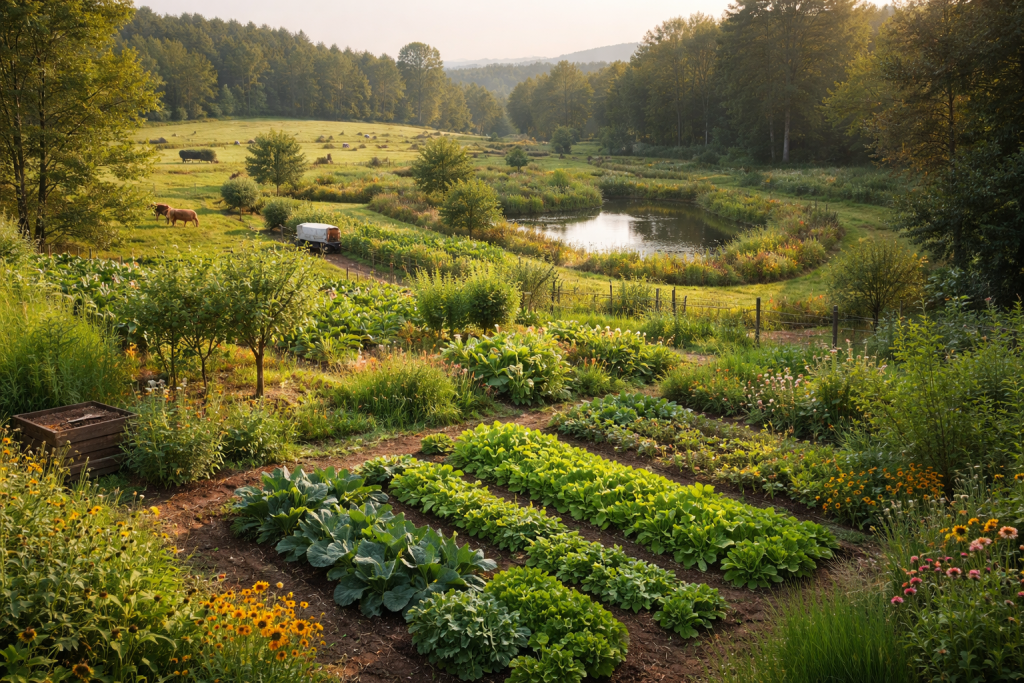
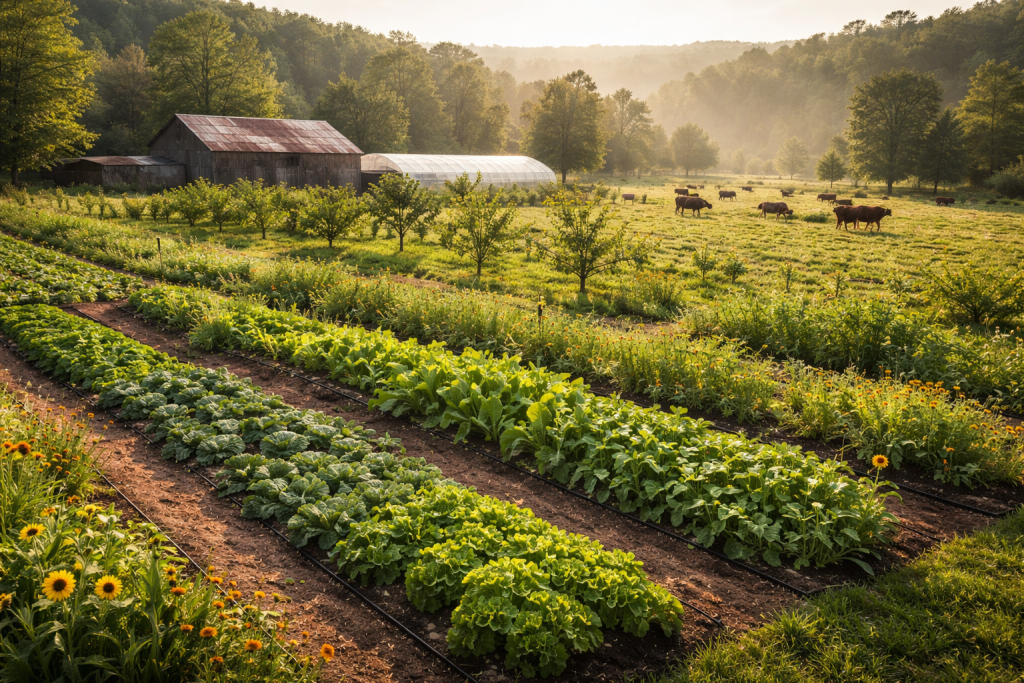
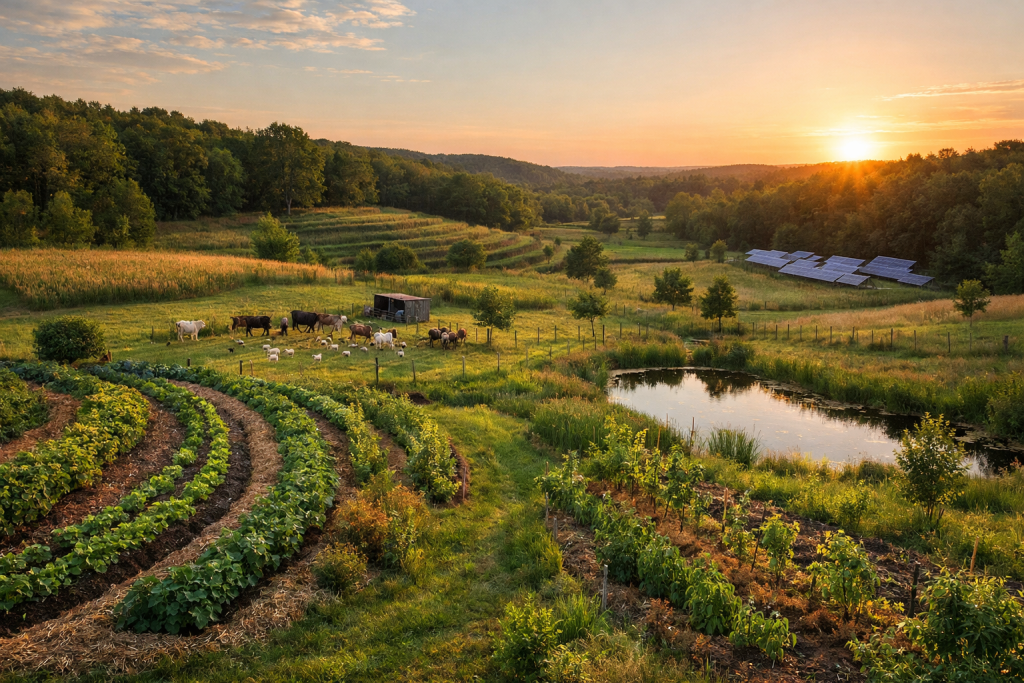
Permaculture is more than gardening or farming. It is a design system rooted in observing natural patterns and applying them to human environments. This includes food systems, water management, housing, energy use, and social structures. The goal is to create systems that are productive, resilient, and sustainable over the long term.
By studying permaculture formally, learners gain a structured understanding of how ecosystems function and how thoughtful design can reduce waste, conserve resources, and improve quality of life.
Why Certification Matters in Permaculture
Certification provides a shared standard of knowledge. Because permaculture is practiced worldwide, having a recognized certificate ensures that learners understand core ethics, principles, and design methods. This shared foundation is essential for collaboration, professional credibility, and further academic or applied study.
Who the Certificate Is Designed For
Permaculture education attracts people from many backgrounds. However, the certificate level is especially important for those who want to continue toward a diploma or professional practice.
Diploma Seekers and Career-Oriented Learners
For learners pursuing a permaculture diploma, the certificate is often a required prerequisite. It confirms that the student understands the basics of ecological design and is ready for more advanced work. Diploma seekers typically use this stage to identify their interests, such as land-based design, education, or community development.
Educators, Designers, and Change Makers
Teachers, landscape designers, farmers, and community leaders often take certificate courses to strengthen their knowledge. The skills learned can be applied in schools, community projects, nonprofit work, and private consulting. The course also helps learners communicate sustainability concepts more clearly and effectively.
Core Curriculum and Learning Outcomes
The curriculum is designed to balance theory with practice. Students are introduced to time-tested concepts while also learning how to adapt them to modern challenges.
Ethics and Principles of Permaculture
At the heart of all permaculture education are three core ethics and a set of guiding principles.
Earth Care, People Care, Fair Share
These ethics remind learners that sustainable design must protect natural systems, support human well-being, and share resources fairly. Every design decision is evaluated through this ethical lens.
Systems Thinking and Ecological Design
Students learn to see landscapes as interconnected systems rather than isolated parts. This approach encourages long-term thinking and reduces unintended consequences.
Reading the Landscape
Observation is a key skill. Learners practice reading landforms, water flow, soil health, climate patterns, and existing vegetation. These observations inform design choices that work with nature instead of against it.
Teaching Methods and Learning Formats
Modern permaculture education is flexible and accessible. Courses are offered in several formats to meet different learning needs.
Classroom-Based Learning
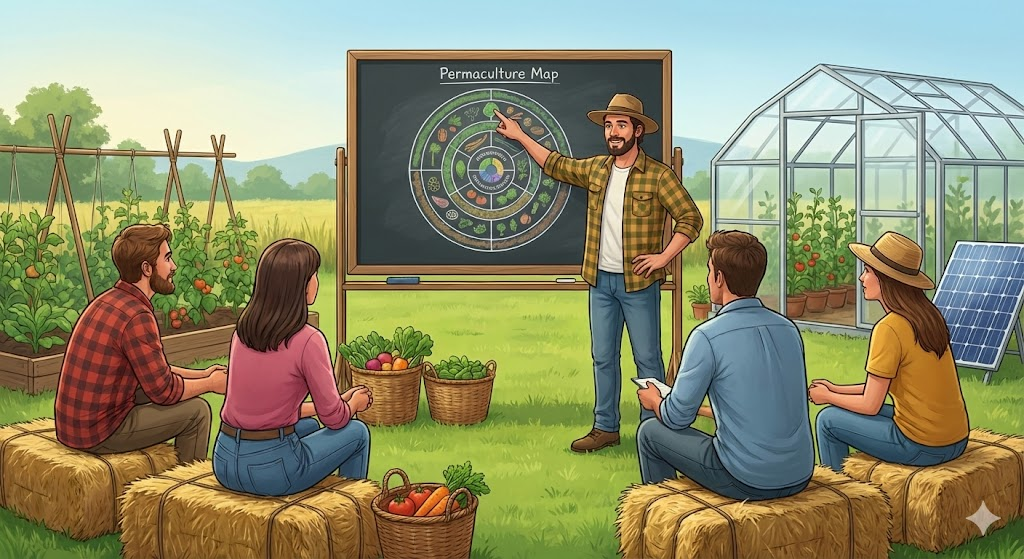
In-person courses often take place over one or two intensive weeks. These settings allow for direct interaction, group discussions, and immediate feedback from instructors. Many learners value the sense of community built during face-to-face learning.
Online and Hybrid Models
Online courses make education accessible to learners who cannot travel. Recorded lectures, live discussions, and digital resources allow students to learn at their own pace while still meeting course requirements.
Fieldwork and Practical Assignments
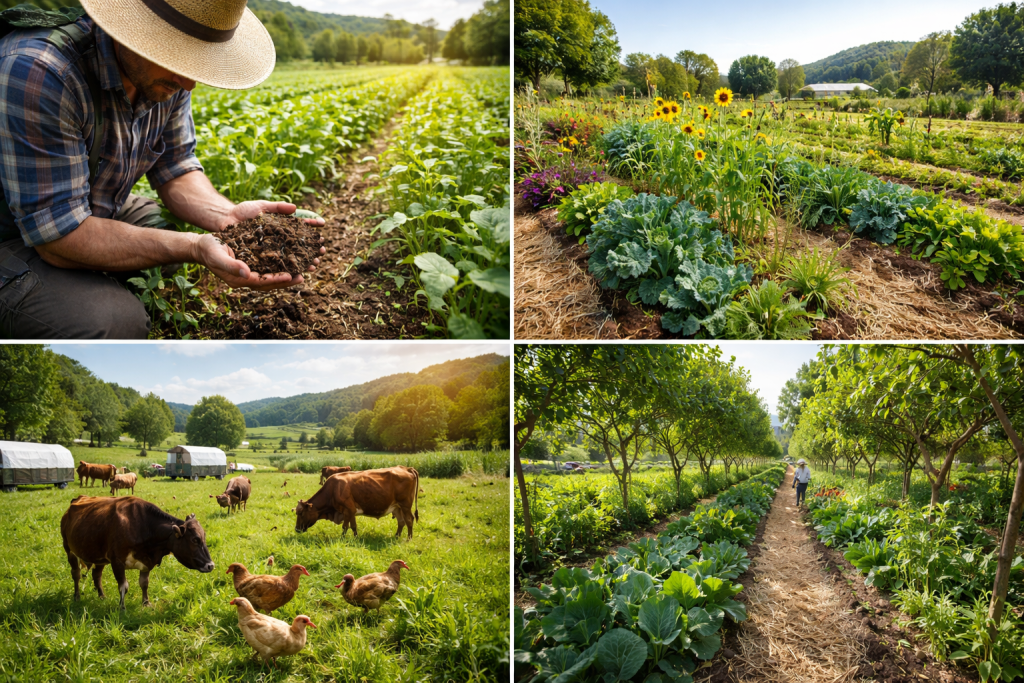
Regardless of format, practical work is essential. Students complete design exercises, site analyses, and small projects that apply what they have learned. These assignments help bridge the gap between theory and real-world application.
Assessment, Certification, and Accreditation
Assessment methods are designed to reinforce learning rather than create unnecessary pressure.
Design Projects and Evaluation
Most courses require a final design project. This project demonstrates the learner’s ability to apply permaculture principles to a real or hypothetical site. Instructors evaluate projects based on clarity, practicality, and ethical alignment.
International Recognition Standards
Permaculture certificates follow internationally recognized guidelines. This consistency allows learners to continue their studies or collaborate across borders. Organizations such as the Gaia U International help maintain these standards and support ongoing education.
Transitioning from Certificate to Diploma
Completing the certificate is only the beginning for diploma seekers. The next phase focuses on depth, specialization, and professional practice.
Building a Design Portfolio
After certification, learners begin compiling a portfolio of design work. This may include home gardens, community spaces, farms, or educational projects. Each design builds skills and demonstrates growth.
Mentorship and Advanced Study
Diploma pathways often include mentorship. Experienced practitioners guide learners, provide feedback, and help refine design thinking. This relationship is vital for developing confidence and professional judgment.
Career and Community Impact
Permaculture education has benefits that extend beyond individual careers. It also strengthens communities and ecosystems.
Professional Pathways After Certification
Graduates may work as designers, educators, consultants, or project managers. Some integrate permaculture into existing careers, such as architecture, teaching, or agriculture. Others start community initiatives or social enterprises.
Community Resilience and Leadership
Permaculture-trained individuals often become local leaders. They help communities address food security, climate resilience, and resource management. By sharing knowledge, they multiply the impact of their education.
Common Challenges and How to Overcome Them
Like any meaningful education, permaculture study comes with challenges. Awareness and preparation make these challenges manageable.
Time Commitment and Study Balance
Balancing study with work or family life can be difficult. Successful learners create realistic schedules and set clear priorities. Breaking assignments into smaller tasks also helps maintain momentum.
Applying Theory to Practice
Some learners struggle to move from concepts to action. Practice, feedback, and reflection are key. Starting with small projects builds confidence and skills over time.
Frequently Asked Questions
1. Is prior experience required to start?
No prior experience is required. The course is designed for beginners and builds knowledge step by step.
2. How long does it typically take to complete?
Most courses run for 72 hours of instruction, delivered intensively or over several weeks.
3. Can this lead to professional work?
Yes. Many learners use the certificate as the foundation for professional design or education roles.
4. Is online study respected?
Yes, as long as the course follows recognized standards and includes practical assignments.
5. What makes this different from other sustainability courses?
Permaculture focuses on whole systems design and ethics, not just isolated techniques.
6. How does this support diploma goals?
It provides the required knowledge base and introduces the design process used at the diploma level.
Conclusion and Next Steps
For learners committed to regenerative design and long-term impact, the permaculture design certificate course is a vital milestone. It establishes a shared language, strong ethical foundation, and practical skills that support advanced study and professional growth. For permaculture diploma seekers, this stage is not just a requirement—it is an opportunity to shape a meaningful and resilient future.
Responses