
Permaculture Courses Near Me: The Ultimate Guide to Choosing the Right Program in 2026

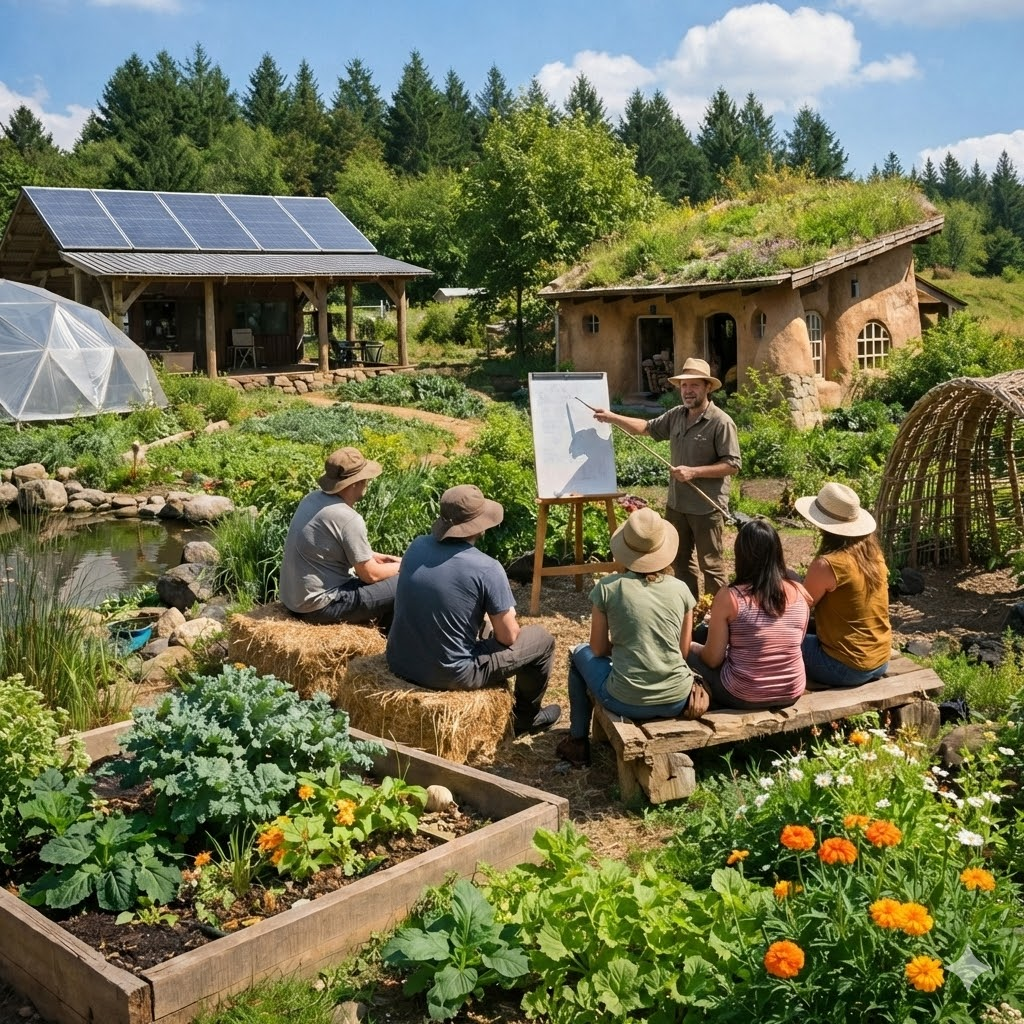
Searching for permaculture courses near me is often the first serious step for learners who want to move beyond theory and into practical, regenerative land design. For those seeking a Permaculture Diploma or professional pathway, choosing the right course is not just about convenience—it’s about finding an educational experience that aligns with ecological ethics, regional conditions, and long-term career goals.
This guide is designed specifically for Permaculture Diploma seekers who want a clear, structured understanding of what to look for, what to expect, and how to make the most informed decision possible.
Understanding Permaculture Education
What Is Permaculture and Why It Matters
Permaculture is a holistic design system that integrates ecology, agriculture, architecture, and community development. It focuses on creating sustainable, self-regulating systems that work with nature rather than against it. Education in permaculture equips learners with problem-solving tools that apply to food systems, water management, energy use, and social resilience.
For diploma candidates, education is not limited to information—it is about demonstrated competence in real-world design.
Core Ethics and Design Principles
All recognized permaculture courses are rooted in three ethics:
- Care for the Earth
- Care for People
- Fair Share
These ethics are supported by design principles such as observing natural systems, stacking functions, and valuing diversity. A strong course will consistently connect theory to these principles through applied learning.
Why Search for Permaculture Courses Near Me
Local Climate and Bioregional Learning
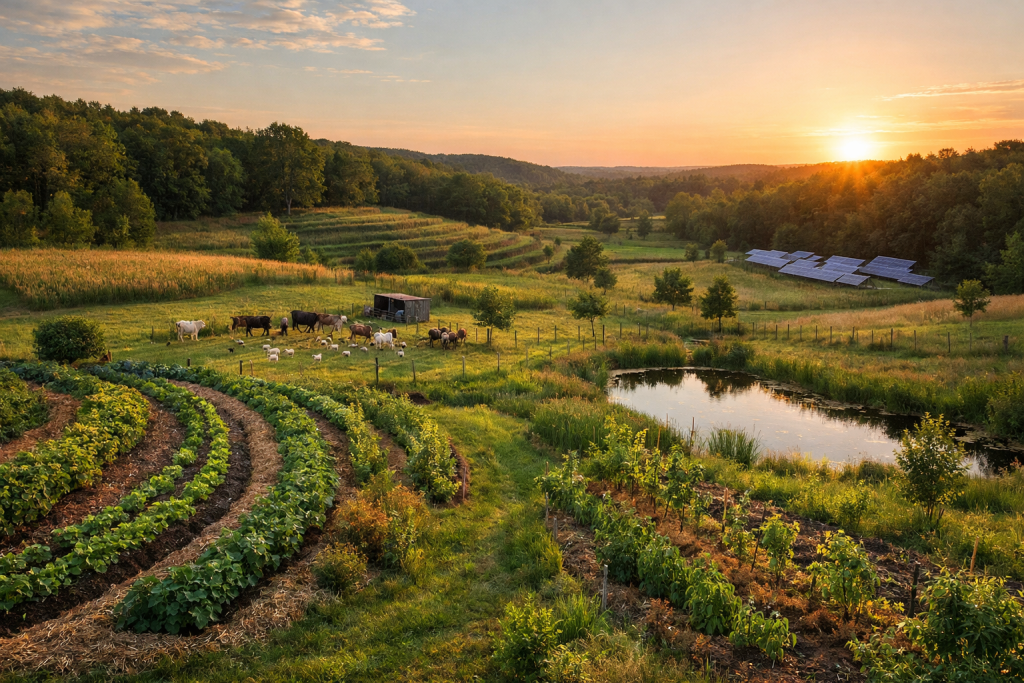
One of the biggest advantages of enrolling in permaculture courses near me is learning within your own climate zone. Soil types, rainfall patterns, native plants, and local challenges vary widely. Local courses allow students to design systems they can actually implement and refine over time.
Hands-On Experience and Community Networks
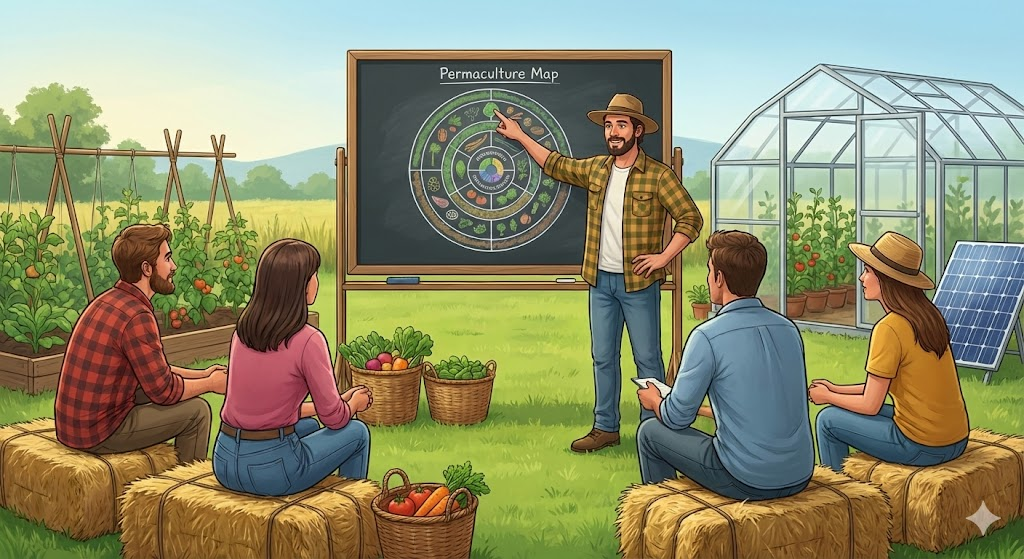
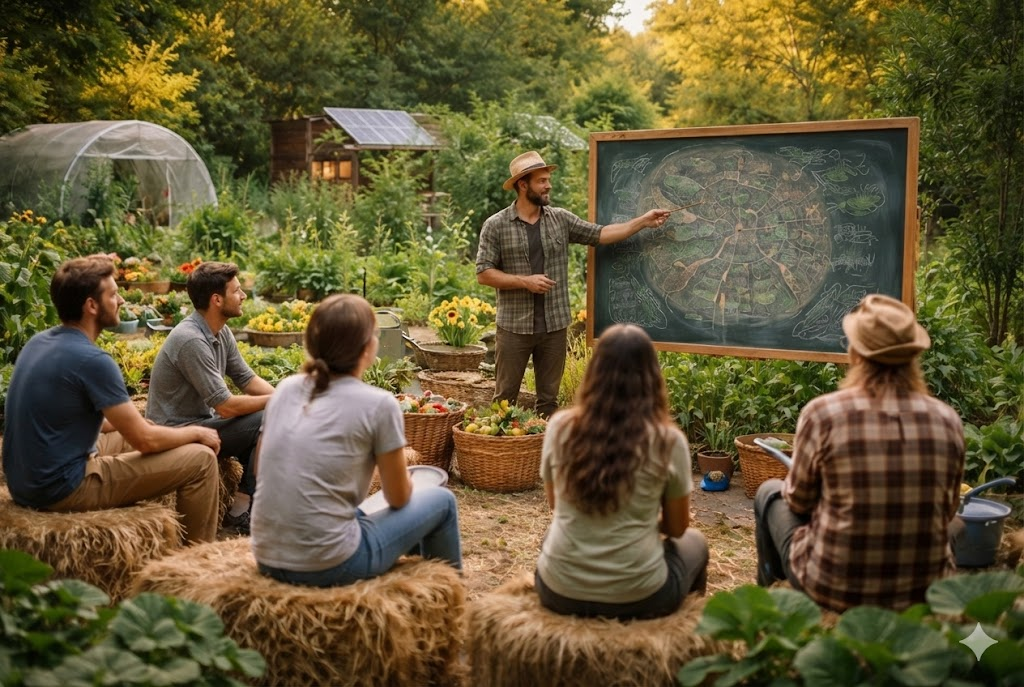
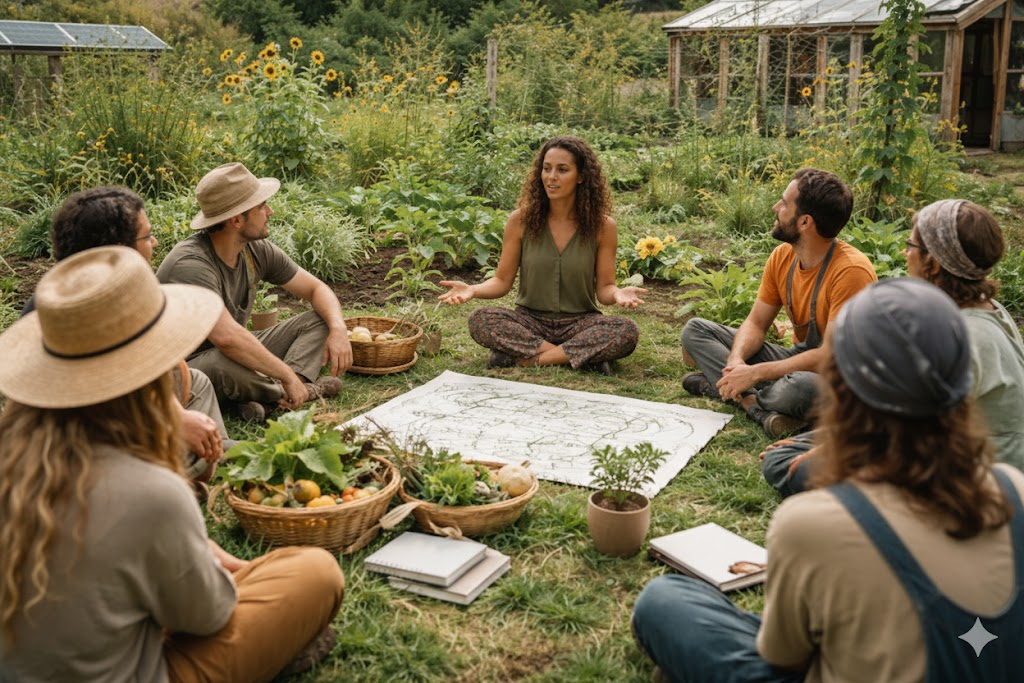
In-person courses often emphasize site visits, earthworks, food forests, and water systems. They also connect learners to local practitioners, farms, and mentors—an essential factor for those working toward diploma accreditation.
Types of Permaculture Courses Available
Permaculture Design Certificate (PDC)
The PDC is the internationally recognized foundation course, typically lasting 72 hours. It covers core topics such as:
- Site analysis
- Soil regeneration
- Natural building
- Water harvesting
- Social permaculture
Completion of a PDC is usually a prerequisite for diploma-level study.
Advanced & Diploma-Level Pathways
After completing a PDC, learners may pursue advanced certificates or a full Permaculture Diploma. These programs require:
- Multiple supervised design projects
- Mentorship from accredited designers
- Documented real-world application
Apprenticeships and Mentorship Models
Many diploma seekers choose apprenticeship-style learning, combining formal coursework with long-term mentorship. This model supports deep skill development and professional readiness.
What to Expect in a Quality Permaculture Course
Curriculum Structure and Learning Outcomes
High-quality courses clearly outline learning objectives and align them with permaculture ethics. Expect a balance of ecological theory, design methods, and systems thinking.
Fieldwork, Design Projects, and Assessments
Diploma-oriented programs emphasize applied work. Students often complete:
- Site designs
- Client-style consultations
- Written design reports
These outputs form part of the professional portfolio required for accreditation.
How to Evaluate Permaculture Courses Near Me
Accreditation and Instructor Credentials
Look for instructors with:
- Recognized PDC and diploma certification
- Demonstrated teaching experience
- Active design or consultancy work
Organizations such as the Permaculture Institute provide guidance on recognized standards (see: https://permaculture.org).
Course Duration, Cost, and Learning Format
Courses vary widely in intensity and cost. Diploma seekers should consider long-term value, mentorship access, and post-course support rather than price alone.
Online vs In-Person Permaculture Courses
Benefits and Limitations of Each Format
Online courses offer flexibility and global access, while in-person learning provides tactile skills and local networking. Many students choose hybrid pathways, starting online and completing practical requirements locally.
Career and Diploma Pathways After Completion
Teaching, Consulting, and Land-Based Careers
Graduates often pursue careers as:
- Permaculture designers
- Educators and workshop facilitators
- Regenerative agriculture consultants
- Community project coordinators
Diploma certification enhances credibility and opens doors to professional practice.
Frequently Asked Questions
1. Are permaculture courses near me internationally recognized?
Most PDCs follow a global curriculum, but diploma recognition depends on the accrediting body and mentor.
2. How long does it take to complete a permaculture diploma?
Typically 2–4 years, depending on project scope and mentorship structure.
3. Do I need farming experience before enrolling?
No prior experience is required, but practical engagement greatly improves learning outcomes.
4. Are permaculture courses near me suitable for career changers?
Yes. Many students transition from unrelated fields into regenerative careers.
5. Can I complete a diploma fully online?
Most diplomas require in-person or site-based design work, even if theory is online.
6. What should I look for first when choosing a course?
Instructor credibility, mentorship access, and alignment with your long-term goals.
Conclusion: Choosing the Right Course for Your Journey
Selecting the right permaculture courses near me is a strategic decision for anyone pursuing a Permaculture Diploma. Local relevance, hands-on experience, and mentorship quality all play a vital role in long-term success. By carefully evaluating course structure, accreditation, and learning format, diploma seekers can build a strong foundation for meaningful, regenerative work.
Responses