
Bachelor of Community Development: A Comprehensive Guide for Permaculture Enthusiasts

A Bachelor of Community Development is more than just a degree; it’s a pathway to creating meaningful change in the communities around you. For permaculture diploma seekers, understanding community dynamics, social sustainability, and project management is crucial for translating environmental knowledge into real-world impact. This guide will explore the degree, its curriculum, career opportunities, and how it complements your permaculture expertise.
Understanding the Bachelor of Community Development
The Bachelor of Community Development is an undergraduate program designed to equip students with the skills needed to improve social, economic, and environmental conditions in local and global communities. It combines theory, practical skills, and fieldwork to prepare graduates to work with diverse groups, understand community needs, and implement sustainable solutions.
What is Community Development?
Community development is the process of empowering individuals and groups to make collective decisions, build social cohesion, and improve overall quality of life. It is deeply rooted in inclusivity, equity, and sustainability, making it highly relevant for permaculture enthusiasts who aim to blend environmental and social solutions.
Role of Community Development in Permaculture Projects
Permaculture projects thrive when they are embraced by local communities. A graduate with a Bachelor of Community Development can:
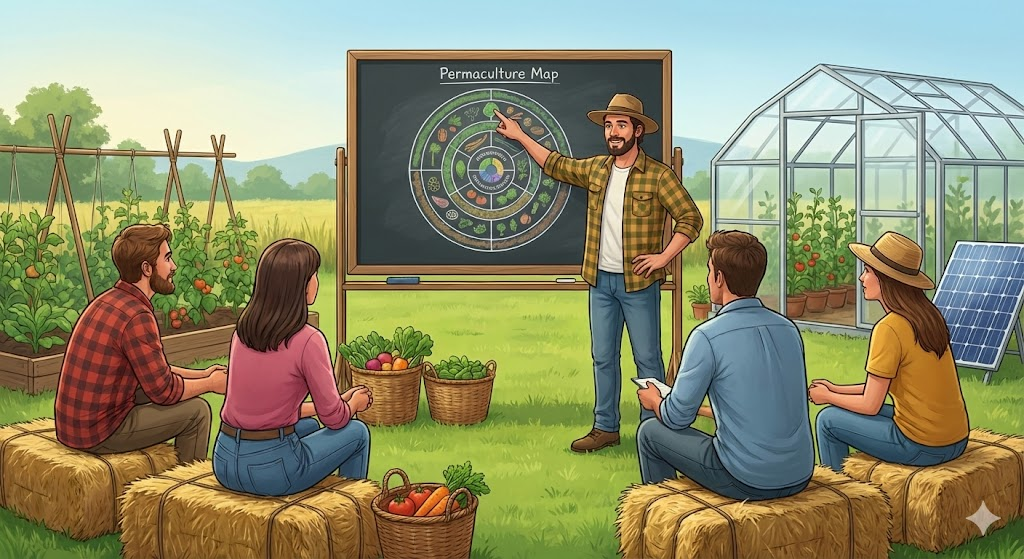
- Facilitate participatory design workshops
- Educate community members on sustainable living
- Ensure projects meet both ecological and social needs
By understanding social structures, permaculture graduates can expand their projects beyond gardens and farms into vibrant, community-supported initiatives.
Key Learning Outcomes of the Degree
Graduates of this degree develop a diverse skill set. Some of the most valuable competencies include:
Social Research and Analysis
Students learn how to conduct surveys, focus groups, and community assessments to identify the unique needs of each population. This is crucial for permaculture projects that require stakeholder input and community buy-in.
Leadership and Facilitation Skills
Effective leadership is central to community development. Students acquire skills to lead workshops, facilitate group decision-making, and manage community teams—essential for permaculture projects that involve volunteers or local participants.
Policy and Advocacy Awareness
Understanding local and national policies helps graduates advocate for sustainable and socially responsible initiatives. For permaculture enthusiasts, this ensures your environmental projects comply with regulations and gain support from institutions.
Sustainable Development Principles
Integrating ecological, social, and economic sustainability is a core learning outcome. Students explore how environmental stewardship and community well-being intersect, preparing them to design projects that are truly regenerative.
Core Subjects and Curriculum
The Bachelor of Community Development blends academic theory with hands-on learning. Key subjects often include:
Introduction to Social Work and Community Studies
Foundational knowledge in social sciences, ethics, and human behavior, which prepares students to engage diverse communities effectively.
Project Planning and Management
Students learn to plan, execute, and evaluate projects. Skills include budgeting, resource allocation, and timeline management—critical for launching permaculture initiatives successfully.
Environmental and Social Sustainability
Courses highlight the synergy between social programs and ecological practices, encouraging students to design initiatives that promote environmental stewardship alongside social benefits.
Fieldwork and Internship Opportunities
Practical experience through internships allows students to work on community projects, NGOs, and environmental programs, bridging theory and practice.
Career Opportunities Post-Graduation
Graduates can explore diverse roles in the social and environmental sectors, including:
Community Development Officer
Professionals who coordinate and lead community initiatives, ensuring programs meet local needs.
Non-Governmental Organizations (NGOs)
Work on sustainability projects, social welfare programs, or environmental advocacy, directly impacting communities.
Policy Advisor or Advocacy Roles
Influence government or organizational policies to create positive social and ecological outcomes.
Social Entrepreneurship
Launch ventures that address community challenges while promoting sustainable practices.
How This Degree Supports Permaculture Graduates
For permaculture diploma holders, this degree strengthens the social dimension of sustainability.
Enhancing Community Engagement Skills
You can lead workshops, educational programs, and community-driven permaculture projects, building stronger local support.
Applying Social Principles in Environmental Projects
Community development skills ensure your ecological projects are culturally appropriate and socially inclusive, increasing long-term success.
Networking and Collaboration
Graduates connect with like-minded professionals, NGOs, and institutions, opening doors for collaborative, high-impact projects.
Top Universities Offering the Degree
Many universities worldwide provide a Bachelor of Community Development, with options for online and on-campus learning. Scholarships and financial aid often target sustainability-focused students, helping permaculture diploma seekers access education without financial stress.
Frequently Asked Questions (FAQs)
1. Can I study a Bachelor of Community Development online?
Yes, many universities offer online programs with flexible schedules, ideal for working students or permaculture practitioners.
2. How long does the degree take to complete?
Typically 3–4 years full-time, depending on the institution and course load.
3. Will this degree help in managing permaculture projects?
Absolutely! It equips you with leadership, project management, and community engagement skills vital for sustainable projects.
4. Are there career opportunities in NGOs after graduation?
Yes, NGOs often hire graduates for roles in social development, environmental programs, and community facilitation.
5. What skills will I gain from this degree?
Students learn leadership, research, policy analysis, project management, and sustainable development practices.
6. Is this degree suitable for someone with a permaculture diploma?
Yes, it complements your environmental knowledge with social, leadership, and community-focused skills.
Conclusion: Is a Bachelor of Community Development Right for You?
If your goal is to combine ecological expertise with meaningful social impact, a Bachelor of Community Development is an excellent choice. For permaculture diploma holders, it enhances your ability to lead community-driven projects, advocate for sustainability, and create inclusive, regenerative solutions.
By bridging the gap between environmental knowledge and social empowerment, this degree allows you to turn your passion for permaculture into a broader, community-focused mission.




Responses