
Ultimate Guide to Permaculture Certification: Everything You Need to Know

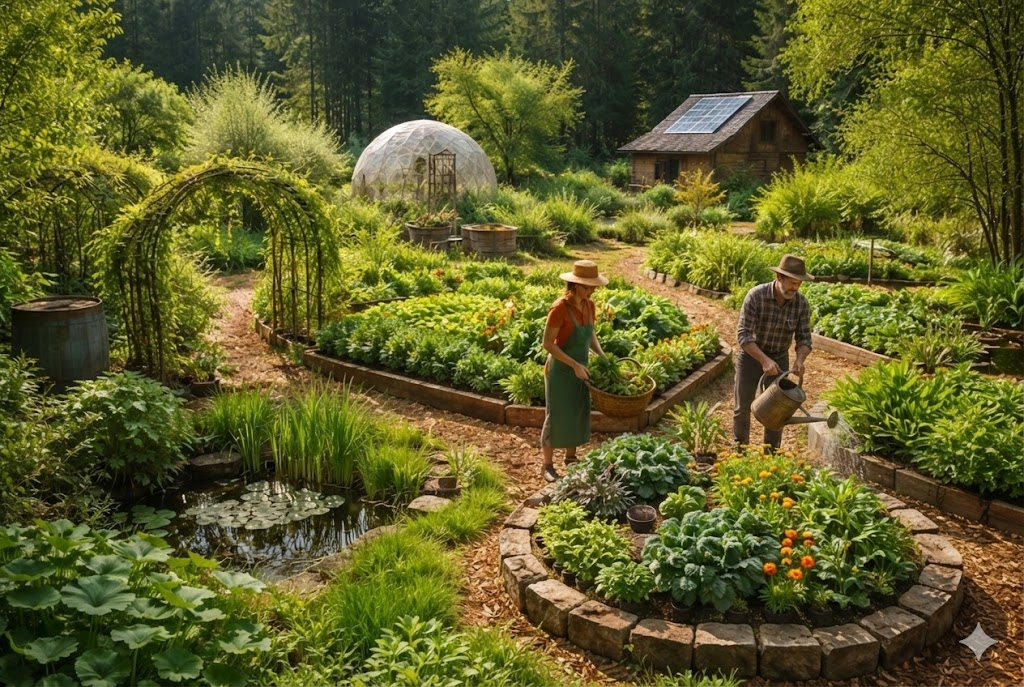
Introduction to Permaculture Certification
Permaculture certification is a formal acknowledgment that an individual has acquired practical and theoretical knowledge in sustainable agriculture, ecological design, and regenerative practices. For permaculture diploma seekers, it acts as a bridge between learning and professional application.
Certification ensures that students understand not only the principles of permaculture but also how to implement them effectively in real-world environments. This formal recognition can help individuals gain credibility, attract clients, or qualify for advanced studies.
Types of Permaculture Certification
1. Permaculture Design Certificate (PDC)
The PDC is the most common entry-level certification. It covers:
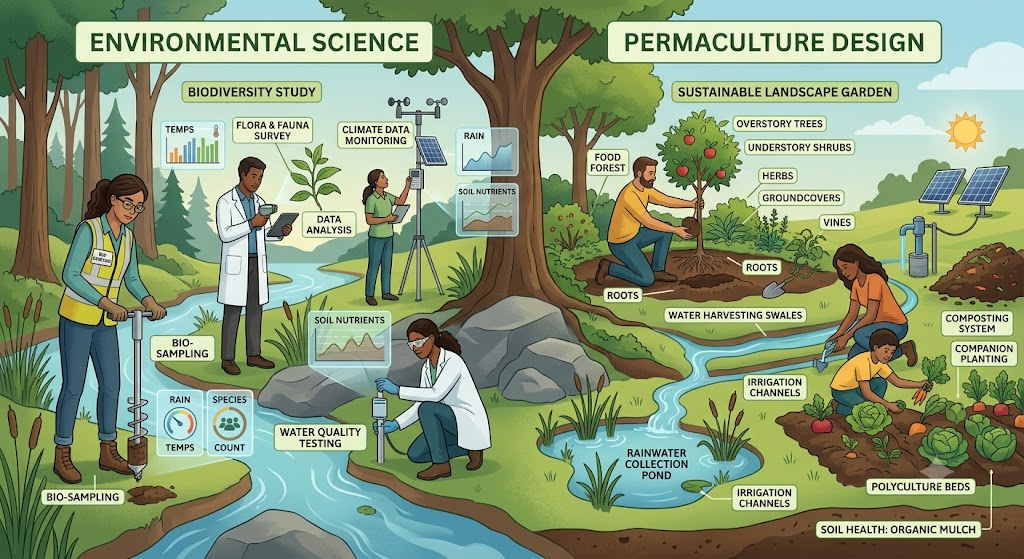
- Soil management
- Water systems and design
- Plant ecology
- Energy conservation and sustainable structures
This 72-hour course is recognized internationally and is usually a prerequisite for advanced diplomas.
2. Advanced Diploma Certifications
Advanced programs go deeper into ecological planning, community design, and sustainable entrepreneurship. These are ideal for diploma seekers who wish to implement large-scale projects or teach permaculture professionally.
3. Specialized Certifications
Some programs offer certifications in niche areas such as:
- Urban permaculture
- Agroforestry
- Regenerative agriculture
- Eco-building and renewable energy systems
Eligibility Criteria
Who Can Apply?
Anyone with a passion for sustainable living and ecological design can pursue permaculture certification. Most programs do not require formal education, but practical experience can be advantageous.
Prerequisites
- Completion of a PDC for advanced courses
- Basic understanding of ecology and agriculture
- Commitment to hands-on projects
Experience Requirements
Many advanced diplomas require students to demonstrate fieldwork or community projects before receiving certification.
Course Structure & Curriculum
Core Modules
- Principles of permaculture design
- Soil and water management
- Renewable energy and eco-building
- Sustainable food production
Practical Training
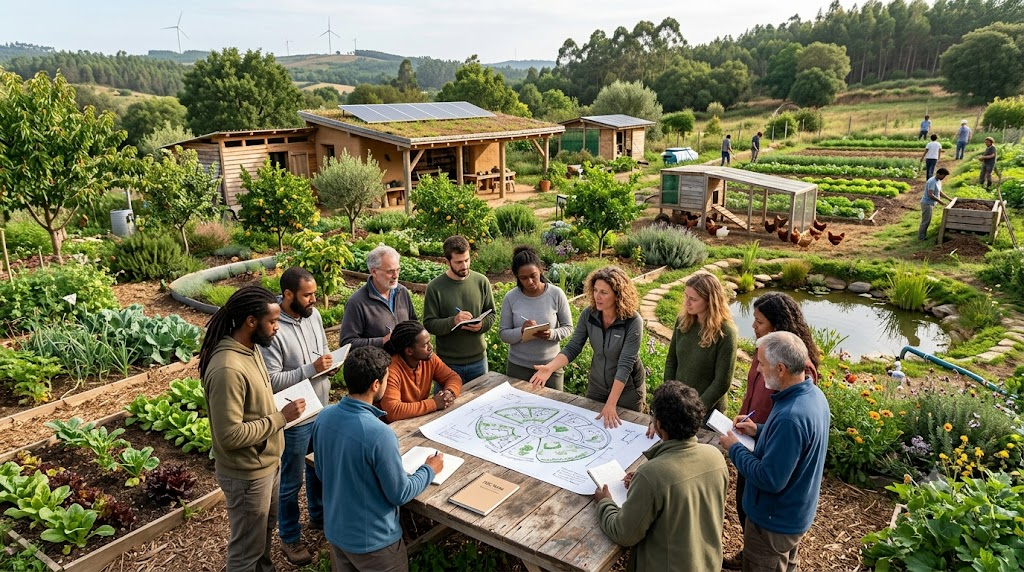
Hands-on work is essential. Students engage in:
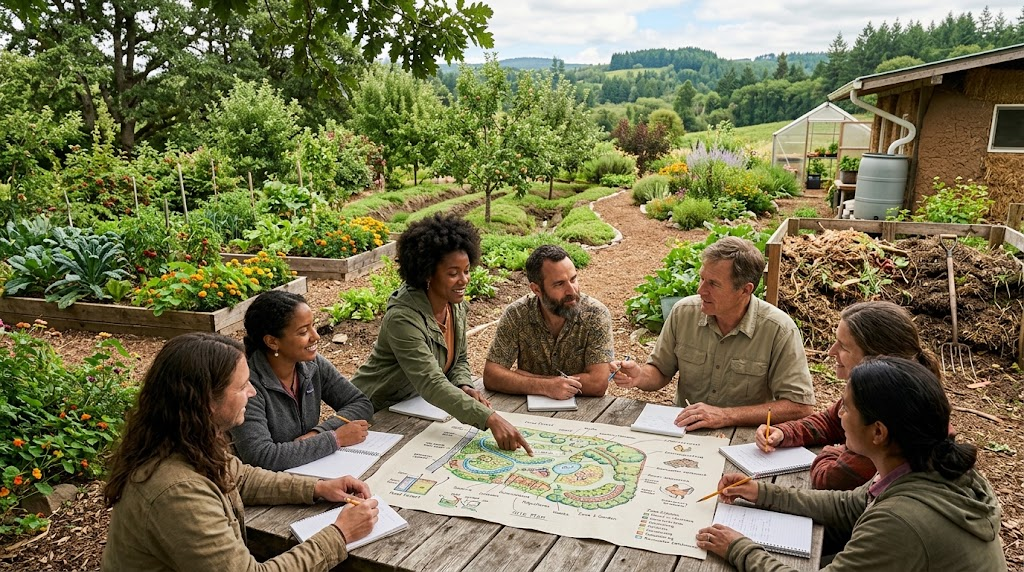
- Designing gardens or farms
- Installing water catchment systems
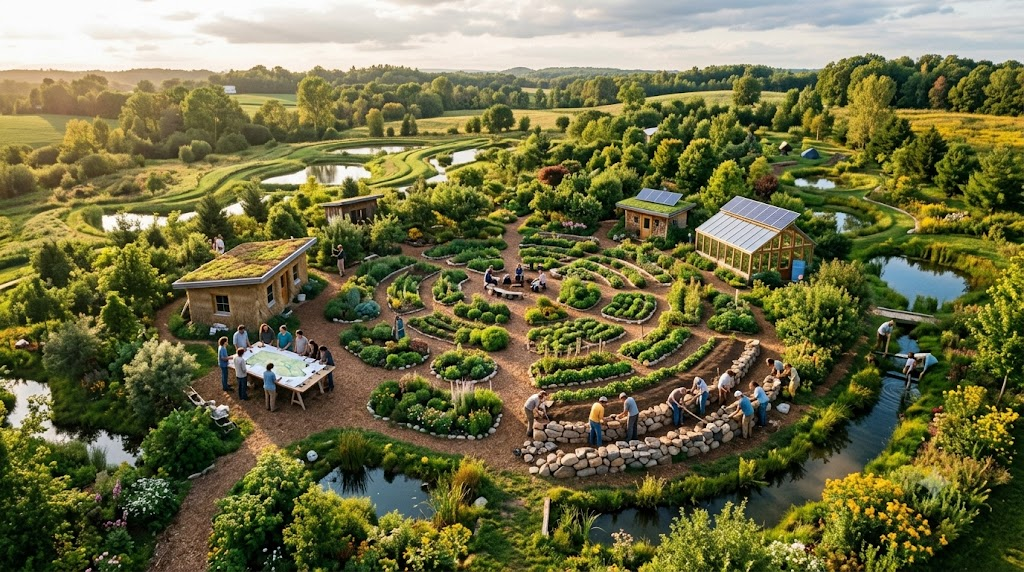
- Participating in community permaculture projects
Fieldwork Requirements
Fieldwork often counts for 30–50% of total course hours, emphasizing practical skill over theory.
Duration and Learning Formats
Online Courses
- Flexible schedules
- Video lectures and virtual workshops
- Limited fieldwork opportunities
On-site Courses
- Intensive 2–4 week programs
- Immersive hands-on experience
- Ideal for networking
Hybrid Options
Combine online theory with periodic on-site practical sessions. Offers flexibility while maintaining practical training quality.
Regional Options
Many countries have local accredited centers providing recognized certification pathways. Check with the Permaculture Association in your region.
Cost of Certification
- Tuition Fees: $500–$2,500 depending on program length
- Additional Expenses: Travel, accommodation, materials
- Scholarships and Financial Aid: Some institutes provide grants or work-trade options
Steps to Get Certified
- Research and Choose a Course
- Complete Enrollment
- Attend Theoretical Classes
- Participate in Fieldwork/Practical Training
- Pass Assessment and Evaluation
- Receive Certification
Benefits of Permaculture Certification
- Career Opportunities: Teaching, consulting, eco-projects
- Sustainable Farming Skills: Practical knowledge for personal or professional use
- Networking Advantages: Connect with like-minded individuals and global communities
Challenges in Certification
- Time Commitment: Many programs are intensive
- Cost: Travel and tuition can be expensive
- Practical Skill Requirements: Hands-on projects are mandatory
Permaculture Certification vs. Diploma
| Aspect | Certification | Diploma |
| Duration | Short-term (2–12 weeks) | Long-term (6–24 months) |
| Depth | Basic to intermediate knowledge | Advanced and specialized |
| Outcome | Recognition of skills | Professional diploma with broader career scope |
| Progression | Can lead to diploma | Usually follows PDC or certification |
Maintaining and Renewing Certification
- Continuing Education: Attend workshops or online modules
- Membership: Join permaculture networks for updates and resources
- Portfolio of Work: Document projects to maintain credibility
Global Recognition and Standards
Certification is increasingly recognized worldwide. Many institutions adhere to international standards, ensuring that skills learned are transferable across regions. Local permaculture associations may provide additional accreditation.
Career Paths After Certification
- Permaculture Educator or Instructor
- Sustainable Farming Consultant
- Eco-Business Owner
- Community Garden or Urban Farm Manager
Tips for Success
- Choose the Right Course: Match program depth with your goals
- Gain Hands-On Experience: Participate in internships or community projects
- Network: Attend workshops, conferences, and online forums
- Document Your Projects: Build a portfolio for credibility
- Keep Learning: Permaculture evolves; stay updated with new practices
FAQs
1. How long does permaculture certification take?
It depends on the program. PDC courses are typically 2–4 weeks, while advanced diplomas may last 6–24 months.
2. Can I get certified online?
Yes, online courses are available for theory, but practical fieldwork may require on-site participation.
3. Is permaculture certification internationally recognized?
Yes, many permaculture certificates are recognized globally.
4. Do I need prior farming experience?
Not necessarily for entry-level certification, but hands-on experience is essential for advanced courses.
5. How much does it cost?
Tuition ranges from $500 to $2,500, depending on course length and location. Additional costs may include travel and materials.
6. What career opportunities are available after certification?
You can become an instructor, consultant, eco-entrepreneur, or community farm manager.
Conclusion
Obtaining a permaculture certification is a significant step for diploma seekers aiming to deepen their knowledge of sustainable living and ecological design. Beyond personal growth, it opens doors to professional opportunities, networking, and hands-on expertise. By choosing the right course, committing to practical training, and engaging with the permaculture community, you can turn your passion into a rewarding career.

Responses