
Courses in Community Development: A Powerful Guide for Permaculture Diploma Seekers (2025)

Introduction: Why Community Development Matters in Permaculture
Permaculture is more than growing food or designing landscapes. At its heart, it is about people, cooperation, and shared responsibility. For permaculture diploma seekers, understanding social systems is just as important as mastering soil, water, and plants. This is where courses in community development become essential.
These courses help learners understand how communities function, how decisions are made, and how people can work together to create long-lasting change. They focus on skills such as collaboration, leadership, communication, and conflict resolution. When combined with permaculture design principles, community development knowledge allows practitioners to create projects that truly last.
In this article, you will learn how community development education supports permaculture goals, what topics are commonly taught, and how these courses can strengthen your diploma journey. Whether you aim to work in eco-villages, regenerative farms, or grassroots organizations, this guide will help you see the bigger picture.
Understanding Community Development in a Permaculture Context
Community development focuses on improving the social, economic, and environmental well-being of people through collective action. In permaculture, this aligns perfectly with the principle of “people care.”
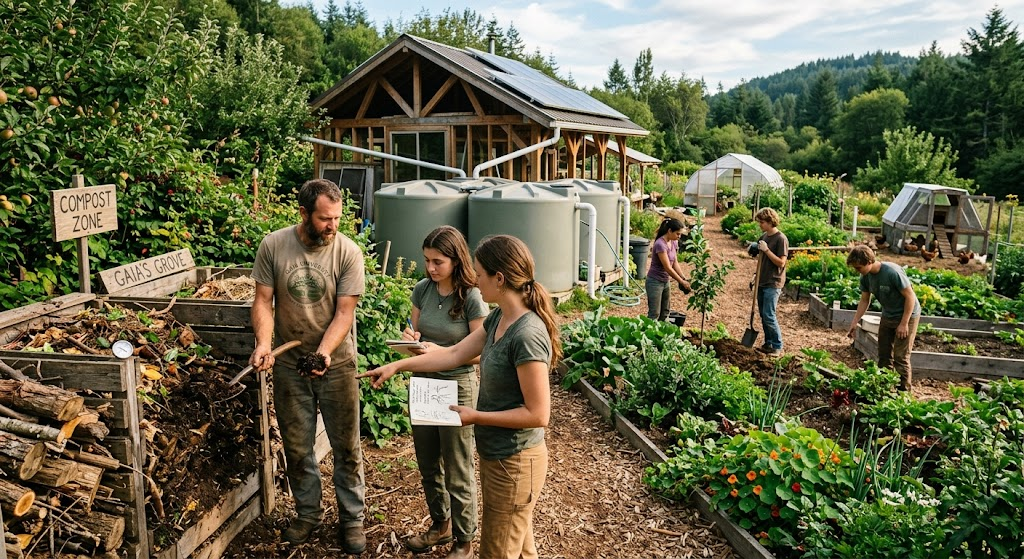
Permaculture diploma seekers often work in group settings, such as learning communities, cooperatives, and land-based projects. Without strong social systems, even the best land designs can fail. Community development education teaches how to build trust, encourage participation, and create shared goals.
These courses often explore real-life examples of community-led projects. Students learn why some initiatives succeed while others struggle. This knowledge helps permaculture practitioners design systems that are not only productive but also socially resilient.
Core Topics Covered in Community Development Education
Most community development programs include a wide range of practical and theoretical subjects. These topics are highly relevant to permaculture learners.
Leadership and Facilitation Skills
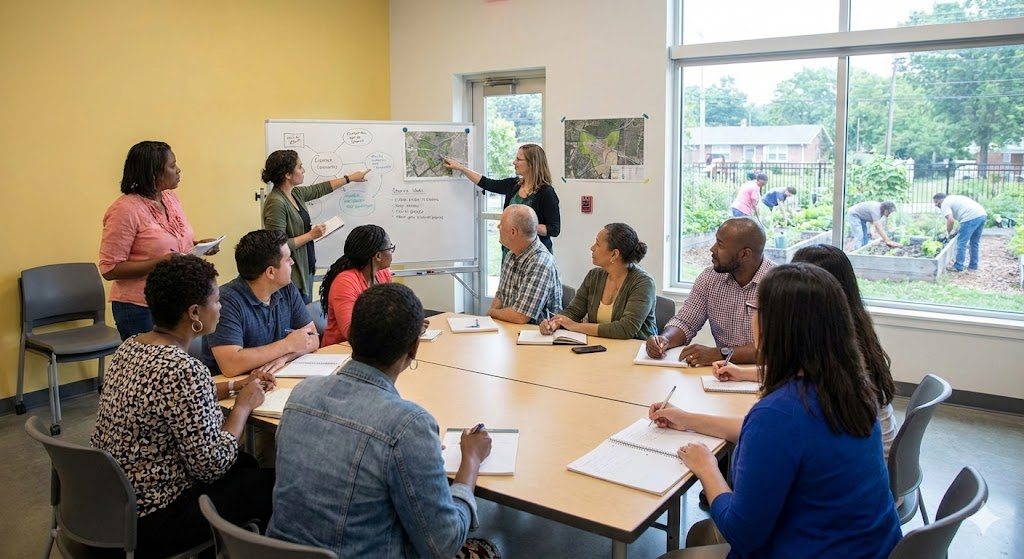
Students learn how to guide groups without dominating them. Facilitation techniques help meetings run smoothly and ensure everyone’s voice is heard. This is vital in permaculture groups where consensus decision-making is common.
Community Mapping and Needs Assessment
Understanding a community’s strengths and challenges is key. Learners are taught how to assess local resources, skills, and cultural values before starting projects.
Conflict Resolution and Communication
Disagreements are natural in group work. Community development training provides tools to manage conflict respectfully and constructively, helping projects stay on track.
Sustainable Livelihoods and Social Enterprises
Many courses explore ways communities can support themselves economically. This supports permaculture goals by linking ecological practices with fair and local economies.
How Community Development Courses Support Permaculture Diplomas
Permaculture diplomas require learners to demonstrate real-world application, not just theory. Community development education strengthens this process in several ways.
First, it helps diploma seekers design projects that meet actual community needs. Instead of guessing what people want, learners are trained to listen and collaborate. Second, it improves project longevity. When communities feel ownership, they are more likely to maintain systems over time.
Finally, these courses build confidence. Graduates feel better prepared to lead workshops, coordinate volunteers, and communicate permaculture ideas clearly. This makes them more effective educators and change-makers.
Learning Formats: How These Courses Are Delivered
Community development education is flexible and accessible. Common formats include:
- Online courses with discussion forums and case studies
- In-person workshops focused on group activities
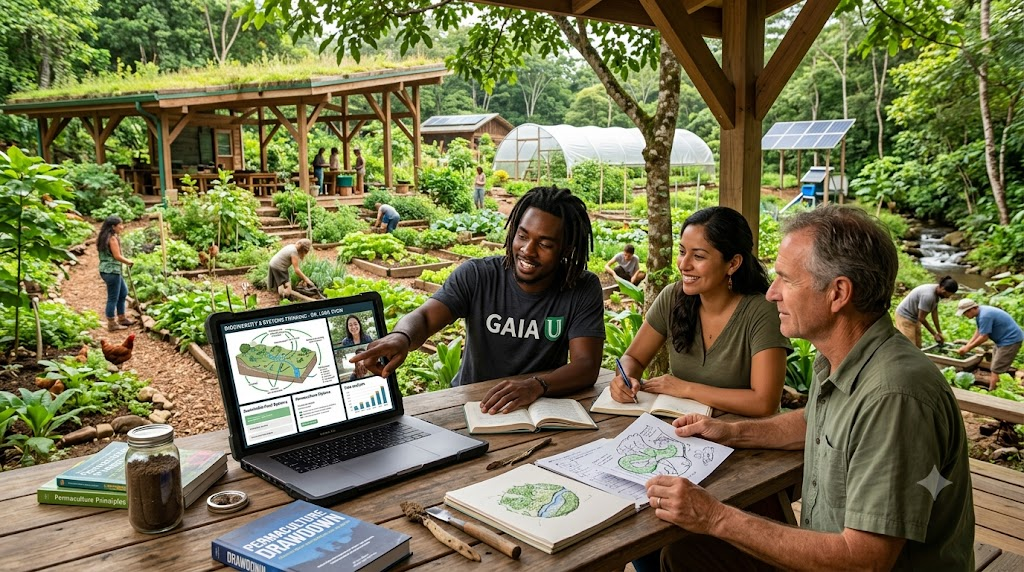
- Blended learning, combining theory with fieldwork
- Community-based projects for hands-on experience
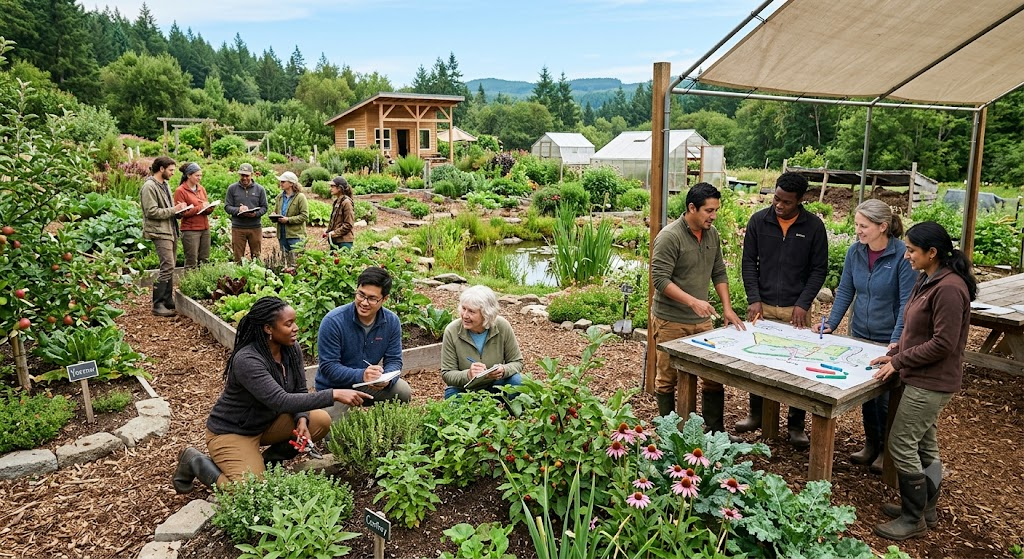
Many permaculture learners prefer experiential learning. Community development courses often include practical assignments, such as organizing events or supporting local initiatives, which align well with diploma requirements.
Choosing the Right Course for Permaculture Learners
When selecting a program, permaculture diploma seekers should look for courses that emphasize participation, sustainability, and social justice. Programs that connect theory to real-world practice are especially valuable.
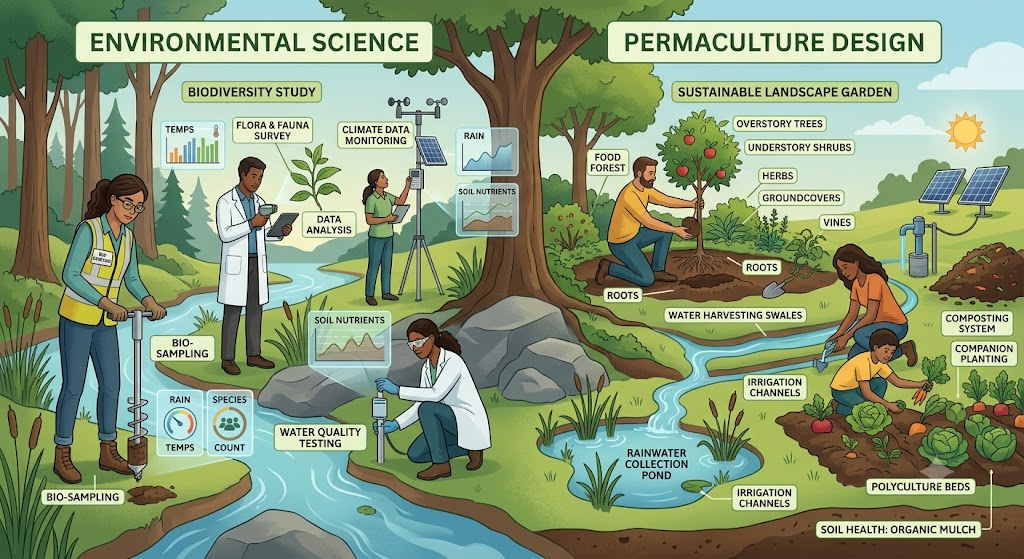
It is also helpful to choose courses that recognize ecological perspectives. Some institutions integrate environmental studies with community development, creating a natural bridge to permaculture. For further exploration of sustainable education pathways, learners can refer to resources such as the Food and Agriculture Organization’s work on community-based development .
Benefits Beyond the Diploma
The skills gained from community development education extend far beyond certification. Graduates often find opportunities in education, non-profit work, cooperative management, and regenerative development projects.
Most importantly, learners gain the ability to work with people respectfully and effectively. This human-centered approach strengthens permaculture’s impact and helps build communities that are resilient, inclusive, and adaptable.
Frequently Asked Questions (FAQs)
1. Are community development skills required for permaculture diplomas?
They are not always required, but they are highly recommended because permaculture projects involve people and collaboration.
2. Can these courses be completed online?
Yes, many programs offer flexible online or blended learning options.
3. Do these courses focus only on social topics?
No, they often connect social systems with environmental and economic sustainability.
4. How long do community development courses usually take?
They can range from short workshops to multi-month certificate programs.
5. Will this knowledge help with real permaculture projects?
Yes, it improves project planning, teamwork, and long-term success.
6. Are these courses suitable for beginners?
Absolutely. Most programs are designed for learners from diverse backgrounds.
Conclusion: Building Strong People Systems for Sustainable Futures
Permaculture thrives when people work together with a shared purpose. By studying courses in community development, permaculture diploma seekers gain the social tools needed to support ecological design. These courses help transform good ideas into lasting community action.
When land care, people care, and fair share come together, true sustainability becomes possible. Investing in community development education is a powerful step toward that future.

Responses