
What Is Regenerative Farming? A Powerful Guide for Future Permaculture Leaders

Introduction to Regenerative Farming
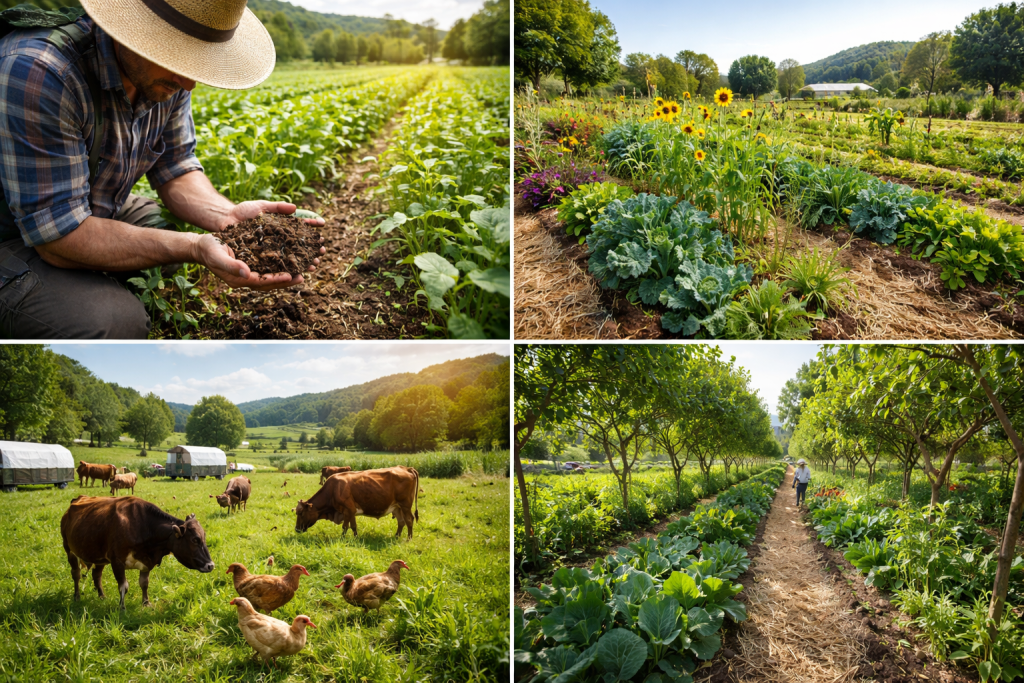
What is regenerative farming, and why has it become such a central topic for permaculture diploma seekers? In simple terms, regenerative farming is an approach to agriculture that focuses on restoring and improving ecosystems rather than merely sustaining them. Instead of reducing harm, it actively works to heal soil, increase biodiversity, and strengthen local food systems.
For students of permaculture, this concept feels familiar. Regenerative farming aligns closely with whole-systems thinking, long-term resilience, and ethical land stewardship. It is not a fixed set of techniques but a living framework that adapts to place, climate, and community needs.
The Meaning and Core Philosophy Behind Regenerative Farming
At its heart, regenerative farming asks a powerful question: How can agriculture give back more than it takes? The answer lies in working with natural processes instead of against them.
Regeneration vs Sustainability
Sustainability aims to maintain the status quo. Regeneration goes further—it improves soil health, water cycles, and ecosystems over time. For example, a regenerative farm does not just prevent soil erosion; it actively builds new topsoil through biological activity.
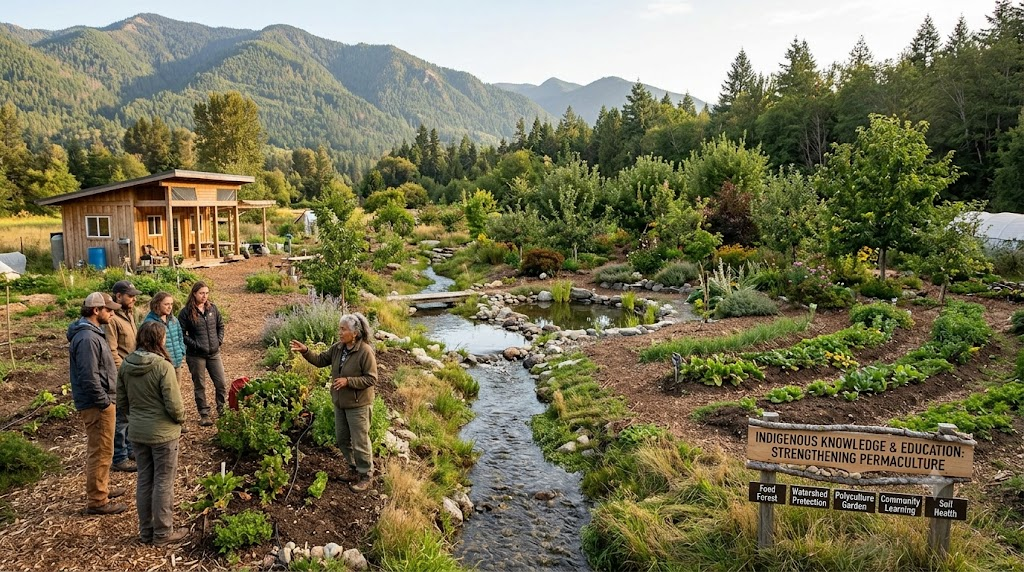
Indigenous Knowledge and Traditional Land Stewardship
Many regenerative ideas come from Indigenous land practices that honored reciprocal relationships with nature. Techniques such as polycultures, controlled grazing, and seasonal observation existed long before modern agriculture. Regenerative farming respects and learns from this wisdom.
Key Principles of Regenerative Farming
While practices vary, several guiding principles remain consistent across regenerative systems.
Building Living Soil
Healthy soil is alive with bacteria, fungi, insects, and organic matter. Regenerative farming prioritizes soil biology by:
- Feeding microbes with organic matter
- Avoiding chemical disturbance
- Encouraging fungal networks (mycorrhizae)
Living soil improves nutrient cycling, plant health, and carbon storage.
Enhancing Biodiversity
Monocultures weaken ecosystems. Regenerative systems increase diversity above and below ground, making farms more resilient to pests, diseases, and climate stress.
Integrating Animals into Farming Systems
Animals play a vital role when managed ethically. Rotational grazing mimics natural herd movement, fertilizes soil, and stimulates plant growth without degradation.
Water Cycle Restoration
Healthy soil absorbs and stores water like a sponge. Regenerative farming reduces runoff, increases infiltration, and protects waterways—an essential skill for dryland permaculture design.
Regenerative Farming Practices Explained
Understanding what regenerative farming is also means knowing how it looks in practice.
No-Till and Reduced Tillage
Tillage disrupts soil structure and microbial life. Regenerative farmers minimize disturbance to protect soil carbon and fungal networks.
Cover Cropping and Crop Rotation
Cover crops protect soil, fix nitrogen, suppress weeds, and feed microbes. Rotations break pest cycles and improve overall system health.
Agroforestry and Silvopasture
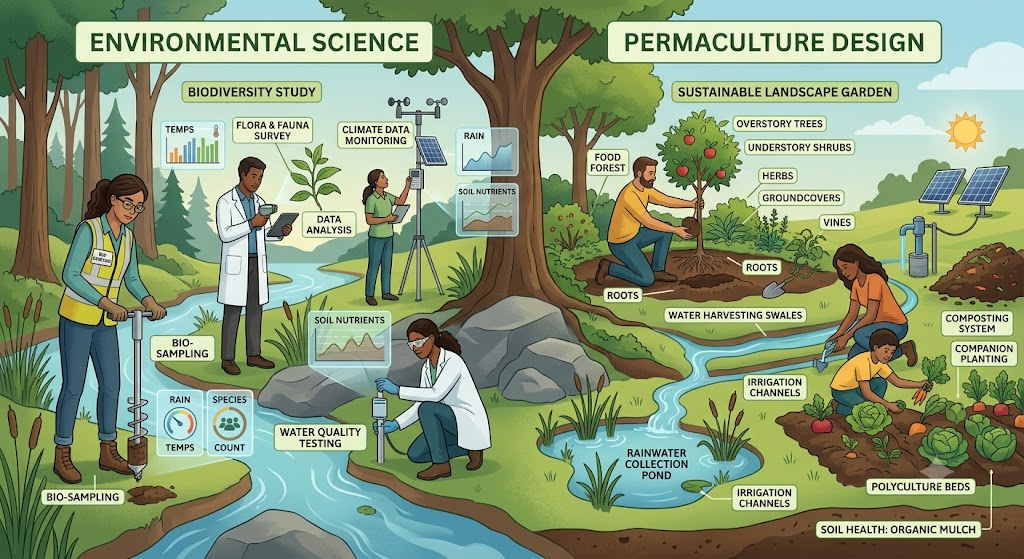
Trees are powerful allies. Agroforestry systems combine crops, trees, and animals to create layered, productive landscapes—very similar to permaculture food forests.
Regenerative Farming and Permaculture Design
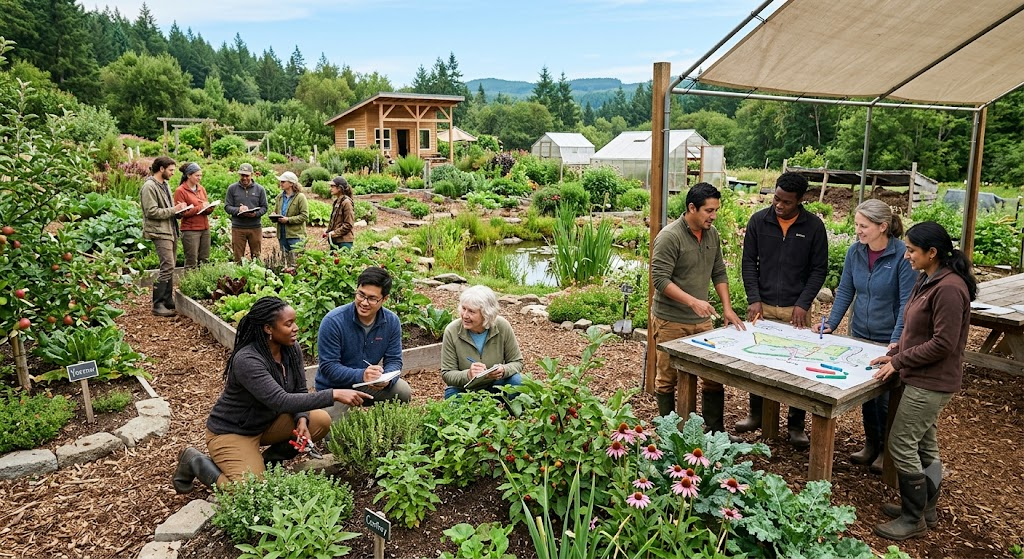
For permaculture diploma seekers, regenerative farming is not separate—it is complementary.
Zones, Sectors, and Systems Thinking
Regenerative farms are designed holistically, considering:
- Energy flows
- Natural patterns
- Human labor efficiency
This mirrors permaculture’s design science.
Ethical Foundations: Earth Care, People Care, Fair Share
Regenerative farming naturally aligns with permaculture ethics. It cares for the land, supports farmer livelihoods, and strengthens local communities.
Environmental Benefits of Regenerative Farming
Regenerative systems:
- Increase soil carbon sequestration
- Improve biodiversity
- Reduce chemical pollution
- Restore degraded land
According to research shared by organizations like the Rodale Institute, regenerative agriculture has strong potential to address climate change through soil carbon storage.
Economic and Social Benefits for Farmers
Contrary to myths, regenerative farming can be profitable. Reduced input costs, premium markets, and diversified income streams help farmers build long-term stability while reconnecting communities to their food sources.
Regenerative Farming in a Changing Climate
As weather patterns become unpredictable, regenerative farms adapt better. Healthy soil buffers droughts and floods, making these systems ideal for future-focused permaculture practitioners.
Challenges and Misconceptions
Some believe regenerative farming is unscientific or impractical. In reality, it blends modern research with ecological wisdom. The biggest challenge is mindset—moving away from short-term yield thinking toward long-term resilience.
How Permaculture Diploma Seekers Can Apply Regenerative Farming
Students can start by:
- Observing soil and landscape patterns
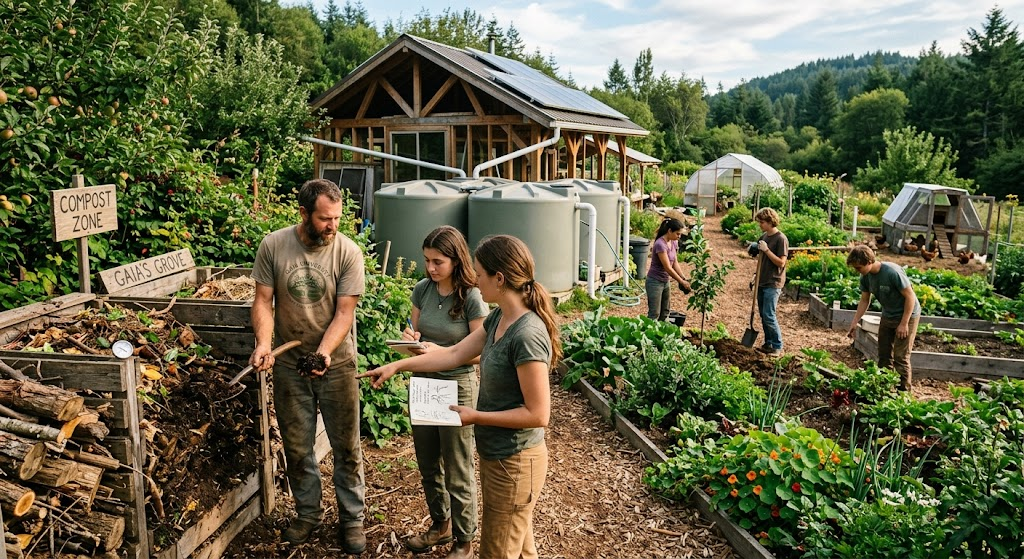
- Practicing composting and mulching
- Designing polycultures
- Supporting regenerative farms locally
Learning by doing is key.
FAQs About Regenerative Farming
1. What is regenerative farming in simple terms?
It is a way of farming that restores soil, ecosystems, and communities rather than depleting them.
2. Is regenerative farming the same as organic farming?
No. Organic focuses on inputs, while regenerative farming focuses on outcomes like soil health and biodiversity.
3. Can regenerative farming work on small farms?
Absolutely. It is highly adaptable and often ideal for small-scale permaculture systems.
4. Does regenerative farming increase yields?
Over time, yields often stabilize or improve due to healthier soil and plants.
5. Is regenerative farming scientifically supported?
Yes. Soil science, ecology, and climate research increasingly support regenerative principles.
6. Why is regenerative farming important for permaculture students?
Because it provides real-world tools to apply permaculture ethics at scale.
Conclusion: The Future of Food and Farming
Understanding what is regenerative farming equips permaculture diploma seekers with knowledge that goes beyond theory. It offers a practical, hopeful pathway toward resilient food systems, restored landscapes, and meaningful livelihoods. As the world faces ecological challenges, regenerative farming stands as a powerful solution rooted in care, observation, and regeneration.

Responses