Trauma Informed Teaching for Permaculture Diploma Seekers: A Powerful, Practical Guide

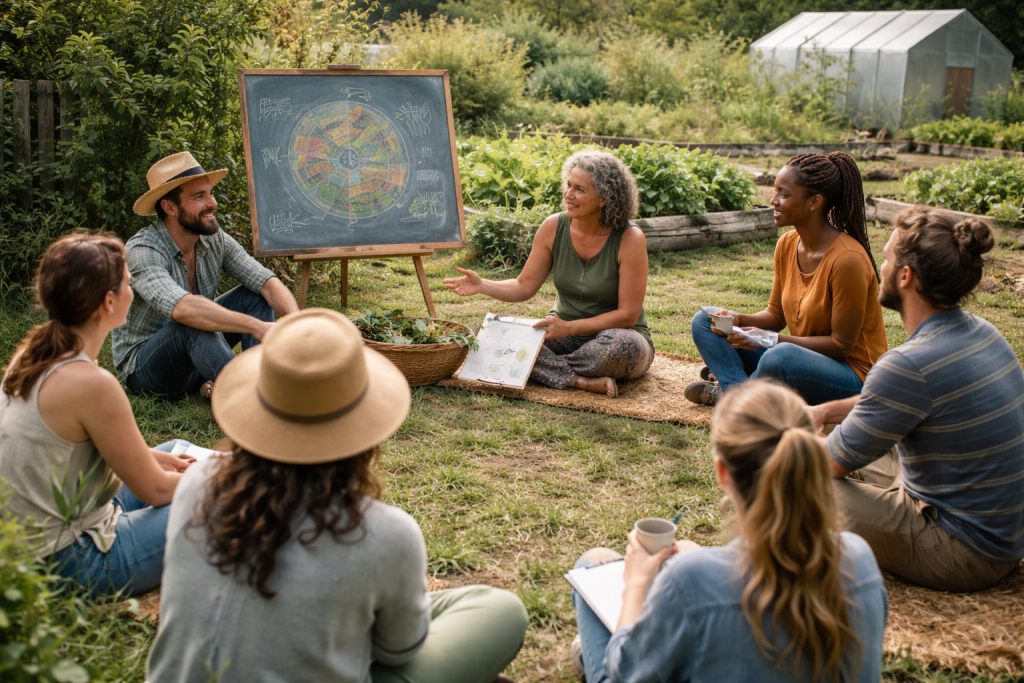
Permaculture education attracts people who care deeply about healing land, communities, and themselves. Many diploma seekers arrive with rich life experience, including stress, burnout, displacement, or past adversity. Trauma informed teaching recognizes this reality and creates learning environments that are safe, respectful, and effective—without lowering academic standards. Instead, it strengthens learning by aligning pedagogy with the ethics of permaculture.
Understanding Trauma in Adult Ecological Learning
Why Adult Learners Bring Lived Experience
Adult learners don’t come as blank slates. They bring years of work, family responsibilities, and personal histories. In intensive programs like permaculture diplomas, the pace and depth can surface stress responses. An educational approach that acknowledges this helps learners stay engaged and present.
Trauma Awareness in Land-Based Education
Outdoor learning is powerful, but it can also be unpredictable—weather, tools, physical demands, and group dynamics. Awareness allows educators to design experiences that are grounding rather than overwhelming.
Core Principles of Trauma-Sensitive Education
Safety and Trust in Learning Environments
Psychological and physical safety come first. Clear expectations, respectful communication, and transparent facilitation build trust. Learners perform better when they know what to expect.
Choice, Agency, and Empowerment
Offering options—how to participate, where to sit, or which project to pursue—restores agency. This mirrors permaculture design: observe, interact, and respond.
Collaboration and Mutual Respect
Learning is relational. Circles, peer mentoring, and co-created agreements reflect ecological cooperation rather than hierarchy.
Why This Approach Matters in Permaculture Training
Ethics: People Care in Practice
Permaculture ethics emphasize people care. Teaching methods should embody this value. When educators model care, learners internalize it and carry it into their designs and communities.
Learning Through Observation, Not Pressure
Permaculture favors slow, attentive observation. Education should do the same—prioritizing curiosity over urgency and reflection over performance.
Practical Classroom Strategies for Educators
Creating Predictable Learning Structures
Consistency reduces anxiety. Share agendas, start and end on time, and explain changes calmly.
Clear Schedules and Gentle Transitions
Use visual schedules and brief pauses between activities. This helps learners reset and stay focused.
Inclusive Facilitation Techniques
Vary teaching methods—discussion, hands-on work, visuals, and quiet reflection—so different learning styles are supported.
Small Groups and Reflective Practices
Small groups foster connection. Journaling and check-ins allow learners to process insights privately.
Fieldwork and Outdoor Learning Considerations
Sensory Awareness in Natural Settings
Nature can be stimulating. Invite learners to notice sensations and opt out if needed. Grounding techniques, like breathing or barefoot observation, can help.
Consent-Based Participation
Explain activities clearly and invite consent. Participation should be encouraged, not forced—respect builds resilience.
Assessments Without Harm
Portfolio-Based Evaluation
Portfolios honor process and progress. They allow learners to demonstrate competence through real-world application.
Self-Reflection and Peer Feedback
Reflection deepens learning. Peer feedback, when guided, strengthens community and shared responsibility.
Frequently Asked Questions
1. Is trauma-aware education only for counseling programs?
No. It benefits any adult learning environment, especially immersive, hands-on fields like permaculture.
2. Does this approach lower academic rigor?
Not at all. Clear structure and support often improve outcomes and retention.
3. How does it align with permaculture ethics?
It directly reflects people care, fair share, and thoughtful design.
4. Can outdoor learning still be challenging?
Yes—challenge is valuable when paired with choice and support.
5. Do educators need clinical training?
No. This is about awareness and respectful design, not therapy.
6. Where can educators learn more?
Organizations like the National Child Traumatic Stress Network offer accessible resources on trauma-aware practices
Conclusion
Permaculture education is about regeneration—of land and people. By applying trauma informed teaching, educators create learning ecosystems where diploma seekers feel safe, capable, and inspired. This approach doesn’t just teach design; it models the resilient, ethical systems permaculture stands for.