
7 Powerful Trauma Informed Teaching Practices That Transform Permaculture Education

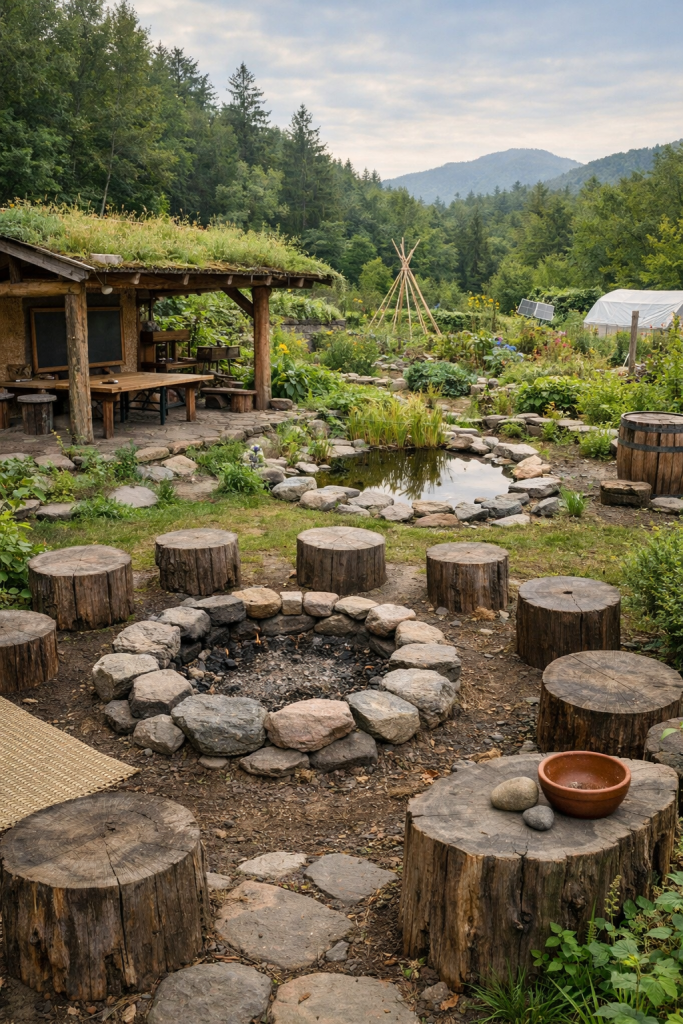
Introduction to Trauma Informed Teaching Practices in Permaculture Education
Trauma informed teaching practices are reshaping modern education—and they are especially powerful within permaculture training programs. For Permaculture Diploma seekers, learning is not just theoretical. It happens outdoors, in groups, on living landscapes. That immersive style is inspiring, but it can also activate stress responses for some learners.
When educators apply trauma informed teaching practices, they create environments where students feel safe, respected, and empowered. And here’s the good news: this approach aligns beautifully with permaculture ethics—earth care, people care, and fair share.
In fact, organizations like SAMHSA define trauma-informed care as recognizing the widespread impact of trauma and responding with practices that promote healing rather than harm. In education, this means designing courses that understand how stress affects the brain, behavior, and group dynamics.
For Permaculture Diploma seekers, this approach ensures learning spaces reflect regenerative principles—not just in soil systems, but in human systems too.
Understanding Trauma: Definitions, Types, and Educational Impact
Before applying trauma informed teaching practices, educators must understand what trauma is and how it influences learning.
What Is Trauma? Acute, Chronic, and Complex Trauma
Trauma refers to experiences that overwhelm a person’s ability to cope. These may include:
- Acute trauma: A single distressing event.
- Chronic trauma: Repeated exposure to stress.
- Complex trauma: Multiple, layered traumatic experiences over time.
In permaculture cohorts, learners may come from diverse backgrounds—climate anxiety, economic hardship, displacement, or prior negative educational experiences can all shape their nervous systems.
How Trauma Affects Learning, Memory, and Behavior
Trauma can affect:
- Concentration
- Memory retention
- Emotional regulation
- Trust in authority figures
- Participation in group work
When students feel unsafe, their brains prioritize survival over learning. That’s biology, not defiance. Trauma informed teaching practices recognize this reality and respond with compassion rather than punishment.
For outdoor educators, this insight is critical. Fieldwork, tool use, or public presentations can trigger stress responses. Without awareness, instructors might misinterpret withdrawal as laziness or resistance.
Why Trauma Informed Teaching Practices Matter for Permaculture Diploma Seekers
Permaculture education is experiential, collaborative, and often physically demanding. That makes trauma informed teaching practices not optional—but essential.
The Unique Challenges of Outdoor and Experiential Learning
Permaculture Diploma seekers typically engage in:
- Long days outdoors
- Hands-on construction projects
- Group design presentations
- Community decision-making processes
These activities require emotional regulation and social trust. If a learner’s nervous system is in fight-or-flight mode, participation becomes difficult.
By incorporating trauma informed teaching practices, instructors provide predictability, clear expectations, and supportive feedback. That stability allows students to take healthy risks.
Building Psychological Safety in Land-Based Education
Psychological safety means learners feel free to ask questions, make mistakes, and express ideas without fear of humiliation.
Educators can build safety by:
- Explaining daily schedules clearly
- Offering opt-in participation
- Setting respectful communication agreements
- Modeling calm responses to mistakes
When students feel safe, creativity flourishes. And creativity is essential for regenerative design.
Core Principles of Trauma Informed Teaching Practices
At the heart of trauma informed teaching practices are several guiding principles.
Safety and Trustworthiness
Safety includes physical, emotional, and relational security. Outdoor settings must include:
- Clear tool safety instructions
- Transparent grading criteria
- Consistent communication
Trust builds when educators do what they say they will do.
Choice, Voice, and Empowerment
Permaculture teaches design through observation and decision-making. Trauma informed teaching practices expand this by offering:
- Assignment options
- Flexible project formats
- Opportunities for reflection
Choice restores agency, which trauma often disrupts.
Collaboration and Mutuality
Rather than rigid hierarchy, trauma sensitive education values shared leadership. In permaculture settings, this might include:
- Rotating facilitation roles
- Peer-to-peer feedback
- Collective problem solving
Collaboration mirrors natural ecosystems—diverse elements working together.
Cultural, Historical, and Ecological Awareness
Permaculture education often intersects with Indigenous land knowledge. Trauma informed teaching practices encourage respectful acknowledgment of historical harms and cultural contexts.
This fosters ethical learning and deeper integrity.
Integrating Trauma Informed Teaching Practices into Permaculture Curriculum Design
Curriculum design shapes the emotional tone of a course. Trauma informed teaching practices must be embedded from the start.
Designing Regenerative Learning Environments
A regenerative classroom includes:
- Comfortable gathering spaces
- Shade and hydration during fieldwork
- Quiet areas for breaks
- Clear signage and orientation
Nature can be healing—but only when access feels safe.
Flexible Assessment and Reflective Practice
Permaculture Diploma seekers often submit portfolios, site designs, and practical demonstrations. Trauma informed teaching practices encourage:
- Alternative submission formats
- Revision opportunities
- Reflective journaling
Reflection supports integration of both emotional and intellectual learning.
Practical Strategies for Outdoor Classrooms and Fieldwork
Field-based education requires thoughtful facilitation.
Grounding Techniques Before Field Activities
Simple grounding exercises can calm nervous systems:
- Deep breathing
- Short mindfulness walks
- Sensory awareness check-ins
These practices align beautifully with permaculture observation skills.
Clear Communication and Consent in Group Tasks
Before beginning collaborative projects:
- Explain objectives clearly
- Define roles
- Ask for consent before physical contact (e.g., guiding tool use)
These steps strengthen safety and respect.
The Role of the Educator: Modeling Regulation and Resilience
Educators set the emotional climate.
Nervous System Awareness for Teachers
Teachers who practice self-regulation—through breathwork, pauses, and reflective listening—model emotional resilience.
Students notice tone more than words.
Boundaries, Ethics, and Professional Responsibility
Trauma informed teaching practices are not therapy. Educators must:
- Maintain professional boundaries
- Refer students to qualified support services when needed
- Avoid overstepping roles
Ethical clarity builds trust.
Community Building Through Trauma Sensitive Facilitation
Strong communities support learning.
Conflict Resolution and Restorative Circles
Restorative practices encourage accountability without shame. Circles allow learners to speak and listen respectfully.
Encouraging Peer Support and Cooperative Learning
Study partnerships and team projects foster belonging. Belonging reduces isolation—a common trauma effect.
Measuring Impact and Continuous Improvement
How do we know trauma informed teaching practices are working?
Feedback Loops and Reflective Journals
Regular check-ins and anonymous surveys provide insight. Reflection journals reveal emotional growth alongside technical skills.
Evaluating Emotional and Academic Outcomes
Look for:
- Increased participation
- Improved project completion rates
- Positive peer interactions
Success is both cognitive and relational.
Common Misconceptions About Trauma Informed Teaching Practices
- It is not lowering academic standards.
- It is not therapy.
- It does not remove accountability.
- It does not eliminate challenges.
Instead, trauma informed teaching practices create supportive conditions for rigorous learning.
Frequently Asked Questions
1. Are trauma informed teaching practices necessary in adult education?
Yes. Adults carry life experiences that influence learning. Safe environments improve outcomes.
2. Do these practices reduce academic rigor?
No. They strengthen engagement, which supports higher achievement.
3. How do trauma informed teaching practices align with permaculture ethics?
They embody people care and regenerative human systems.
4. Can outdoor education be trauma sensitive?
Absolutely. With planning, consent, and communication, fieldwork becomes empowering.
5. What if a student shares personal trauma?
Listen respectfully, maintain boundaries, and refer to professional services when appropriate.
6. How can Diploma seekers apply this in their own teaching?
Start with clear agreements, flexible assessments, and reflective practices.
Conclusion: Cultivating Regenerative Minds Through Compassionate Education
Permaculture teaches us that healthy systems depend on diversity, resilience, and care. The same is true in education. By integrating trauma informed teaching practices, educators create learning environments that nourish both land and learner.
For Permaculture Diploma seekers, this approach does more than improve coursework—it models the kind of regenerative leadership the world urgently needs.
Compassion is not a weakness. It is design intelligence applied to human ecosystems.



Responses