
7 Powerful Reasons to Choose Accredited Permaculture Courses for a Sustainable Future

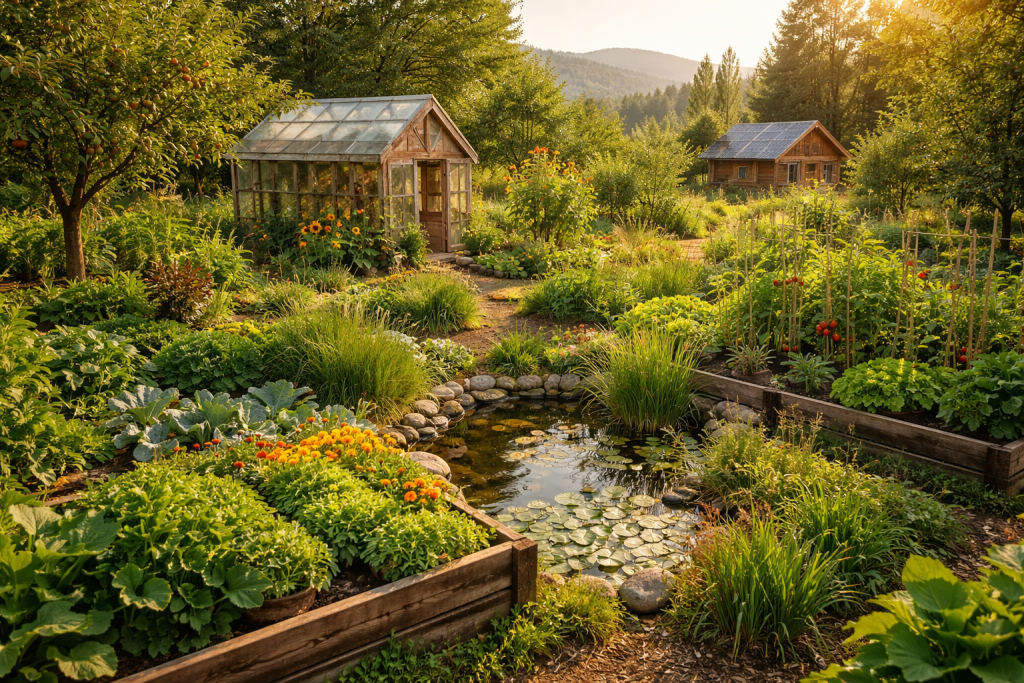
🌱 Introduction to Accredited Permaculture Courses
Accredited permaculture courses are becoming increasingly important for individuals who want to build a meaningful career in sustainable design and ecological practices. These courses are specifically designed for learners aiming to earn a recognized permaculture diploma and gain real-world skills that go beyond theory.
Permaculture itself is a system of agricultural and social design principles that mimic natural ecosystems. However, without proper training, applying these principles effectively can be difficult. That’s where accredited programs step in—they provide structured, high-quality education that meets established standards.
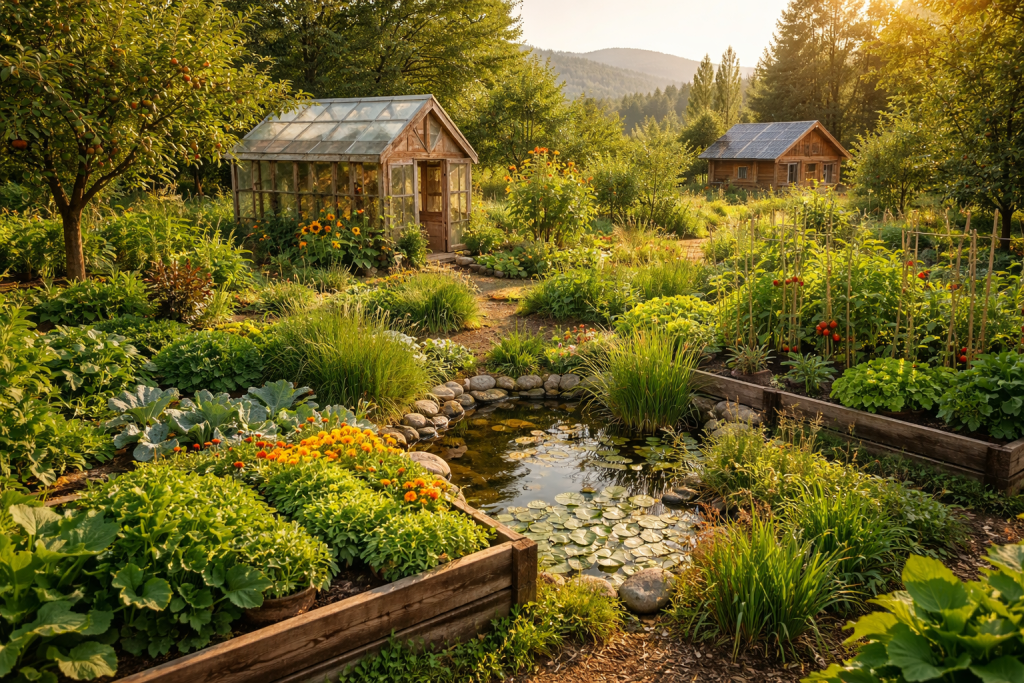
What Is Permaculture?
Permaculture is a blend of “permanent agriculture” and “permanent culture.” It focuses on designing sustainable environments that work in harmony with nature rather than against it. This includes everything from food production systems to water conservation and energy efficiency.
Students in accredited permaculture courses learn how to:
- Design eco-friendly landscapes
- Build resilient food systems
- Reduce environmental impact
- Create self-sustaining communities
Importance of Accreditation in Permaculture Education
Accreditation ensures that a course meets specific quality standards set by recognized organizations. For permaculture diploma seekers, this is crucial because it guarantees:
- Consistent curriculum quality
- Industry recognition
- Credibility in professional settings
Without accreditation, a course may lack depth or fail to provide the practical experience needed for real-world application.
🌿 Benefits of Accredited Permaculture Courses
Choosing accredited permaculture courses offers numerous advantages, especially for those serious about building a long-term career in sustainability.
Recognized Certification
One of the biggest benefits is receiving a certificate that is widely accepted within the permaculture community. This recognition can open doors to job opportunities, collaborations, and further education.
Structured Curriculum
Accredited programs follow a carefully designed curriculum that covers all essential aspects of permaculture. This ensures that students gain both theoretical knowledge and practical skills.
Career Opportunities
Graduates of accredited permaculture courses can pursue various career paths, including:
- Environmental consulting
- Sustainable farming
- Landscape design
- Teaching and training
These roles are in high demand as the world shifts toward eco-friendly practices.
🌾 Types of Accredited Permaculture Courses
There are several types of accredited permaculture courses available, each catering to different levels of expertise and career goals.
Permaculture Design Certificate (PDC)
The Permaculture Design Certificate (PDC) is the most common entry-level qualification. It typically requires 72 hours of study and provides a comprehensive introduction to permaculture principles.
Core Modules in PDC
- Ethics and principles of permaculture
- Site analysis and design
- Soil improvement techniques
- Water harvesting methods
- Food forest design
Advanced Diploma Programs
For those seeking deeper knowledge, advanced diploma programs offer specialized training and hands-on experience.
Specializations Available
- Urban permaculture
- Agroforestry
- Climate-resilient design
- Renewable energy systems
These programs are ideal for individuals aiming to become professional designers or consultants.
🌍 How to Choose the Right Accredited Permaculture Course
Selecting the right course is a critical step for permaculture diploma seekers. With so many options available, it’s important to evaluate each program carefully.
Factors to Consider
When choosing a course, consider:
- Accreditation status
- Instructor experience
- Course content
- Student reviews
Accreditation Bodies
Look for courses recognized by reputable permaculture organizations. These bodies ensure that the program meets industry standards and provides high-quality education.
Course Format and Duration
Courses can be:
- Online (flexible and accessible)
- In-person (hands-on experience)
- Hybrid (combination of both)
Choose a format that fits your schedule and learning style.
🏫 Top Institutions Offering Accredited Permaculture Courses
Many institutions around the world offer accredited programs. These include:
- Permaculture institutes
- Agricultural colleges
- Online education platforms
Online vs Offline Learning Platforms
Online platforms provide flexibility, while offline courses offer practical, hands-on training. A hybrid approach often delivers the best of both worlds.
📚 Curriculum Overview of Accredited Permaculture Courses
The curriculum in accredited permaculture courses is designed to provide a well-rounded education in sustainable practices.
Soil Health and Regeneration
Students learn how to:
- Improve soil fertility
- Use composting techniques
- Prevent erosion
Water Management Systems
This includes:
- Rainwater harvesting
- Irrigation design
- Greywater recycling
Sustainable Agriculture Techniques
Topics covered include:
- Crop rotation
- Polyculture systems
- Organic pest control
💼 Career Paths After Completing Accredited Permaculture Courses
Graduates have a wide range of career opportunities available to them.
Permaculture Designer
Design sustainable landscapes for homes, farms, and communities.
Sustainability Consultant
Advise organizations on eco-friendly practices and systems.
Educator and Trainer
Teach others about permaculture principles and techniques.
💰 Cost and Duration of Accredited Permaculture Courses
Pricing Breakdown
- PDC Courses: $500–$2,000
- Diploma Programs: $2,000–$10,000
Scholarships and Financial Aid
Some institutions offer financial support to make education more accessible.
⚖️ Online vs In-Person Accredited Permaculture Courses
Pros and Cons of Each Format
Online Courses
- Flexible schedule
- Lower cost
- Limited hands-on experience
In-Person Courses
- Practical training
- Networking opportunities
- Higher cost
🎓 Certification Process for Permaculture Diploma Seekers
Steps to Earn Certification
- Complete a PDC course
- Gain practical experience
- Submit design projects
- Apply for diploma accreditation
⚠️ Challenges in Accredited Permaculture Courses
Time Commitment
Courses require dedication and consistent effort.
Practical Experience Requirements
Hands-on work is essential but can be demanding.
🔮 Future Trends in Permaculture Education
Digital Learning Expansion
Online learning is making permaculture education more accessible worldwide.
Integration with Climate Solutions
Permaculture is becoming a key part of global sustainability strategies.
❓ FAQs About Accredited Permaculture Courses
1. What are accredited permaculture courses?
They are structured programs recognized by official bodies that ensure quality education in permaculture.
2. How long does it take to complete a permaculture course?
A PDC typically takes 2–4 weeks, while diploma programs can take 1–2 years.
3. Are online permaculture courses valid?
Yes, as long as they are accredited by recognized organizations.
4. Can I get a job after completing these courses?
Yes, many graduates work in sustainability, farming, and consulting.
5. Do I need prior experience?
No, most entry-level courses require no prior knowledge.
🌟 Conclusion
Accredited permaculture courses are a powerful pathway for anyone seeking to build a career in sustainable living and ecological design. They provide the knowledge, skills, and certification needed to make a real impact in the world.
By choosing the right program, committing to learning, and gaining practical experience, permaculture diploma seekers can unlock exciting opportunities and contribute to a more sustainable future.


Responses